As we wrap up summer and head into autumn, the project team for OSPREY: Organic Seed Production Research on Economics and Yield has been busy with 2026 field trials and events across North America.
This multi-year project, funded by the Organic Research and Extension Initiative (OREI), is sailing through its second year of nationwide research, education, and relationship building to address critical needs in the organic seed sector.
The project will be wrapping up final participatory trials in 2027. If you’re interested in being paid to conduct seed yield trials and contribute to vital research, please continue reading for more information and to sign up.
For more information, please see our previous posts since the project kick-off in 2024.
What We’ve Done
Outreach and Education
Since June 2026, Carolina Farm Stewardship Association, Colorado State University, Cornell Cooperative Extension, Organic Seed Alliance, Oregon State University Extension, and University of Vermont Extension hosted nine events, including workshops, field days, education and resource sharing, and regional gatherings. This generated a collective impact of reaching over 300+ seed community stakeholders, leading to an increase in seed production knowledge and experience.
We value participant feedback and suggestions, which we review with our evaluator (Natalia Pinzón Jiménez, Ph.D) and stakeholder advisory committee, to continuously improve the project for you and other seed community stakeholders!
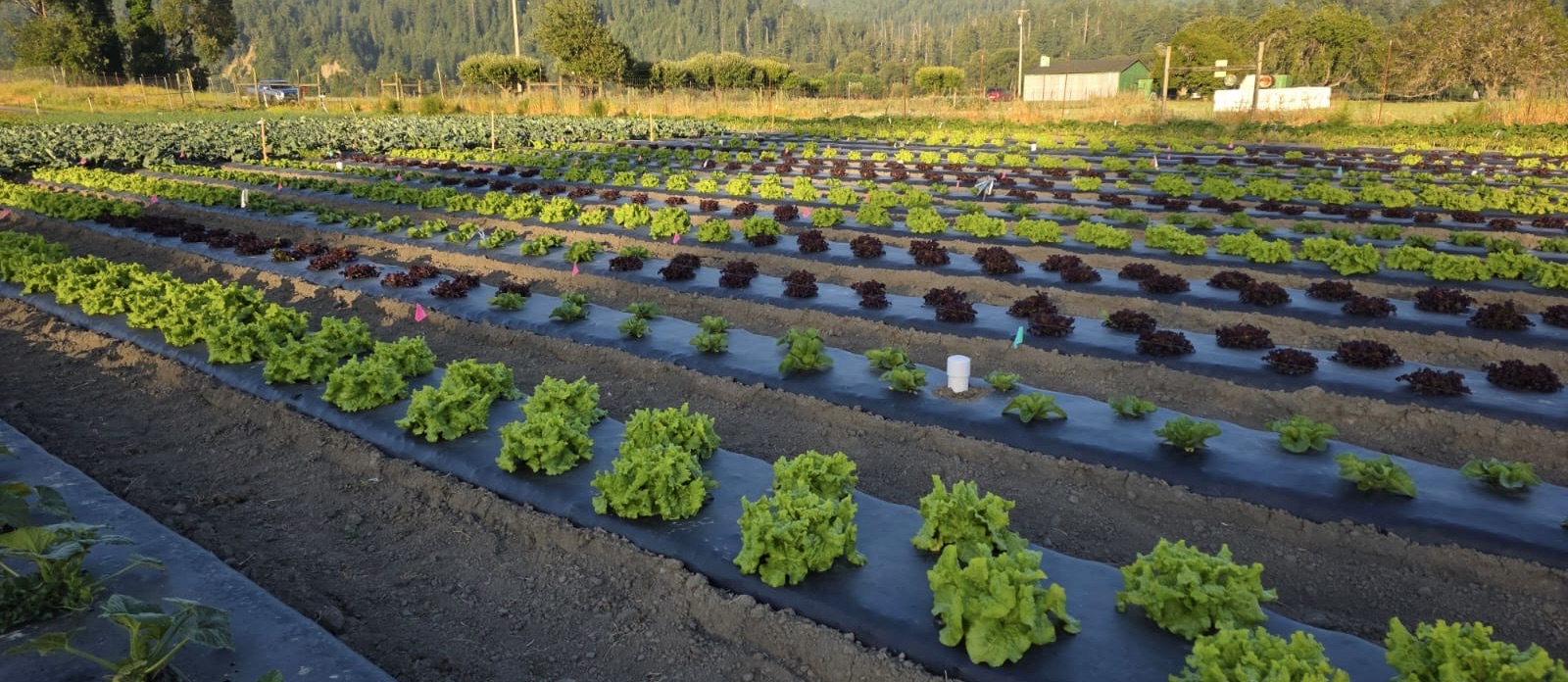
California field trials (lettuce) / Photo credit: Louie Cabral (Organic Seed Alliance)
What We’re Currently Doing
Replicated Trials
We’re in our second year of replicated seed yield trials across seven states. The trials are the same four core seed crops (broccoli, lettuce, summer squash, and tomato), but we’re all feeling more confident in our second season of cultivation and data collection.
Most locations are watching crops grow into the seed stage and are beginning to harvest ripe fruit and pods. There are different harvesting and cleaning methods for the dry-seeded crops (broccoli, lettuce) and wet-seeded crops (squash, tomato). As for most farmers and seed growers, this is generally the busiest time of year!
Once harvesting and cleaning are mostly done, we’ll begin final seed cleaning, seed counts, and germination testing. We’ll share this trial data in the future, alongside the comprehensive 2025-2026 OSPREY project data.
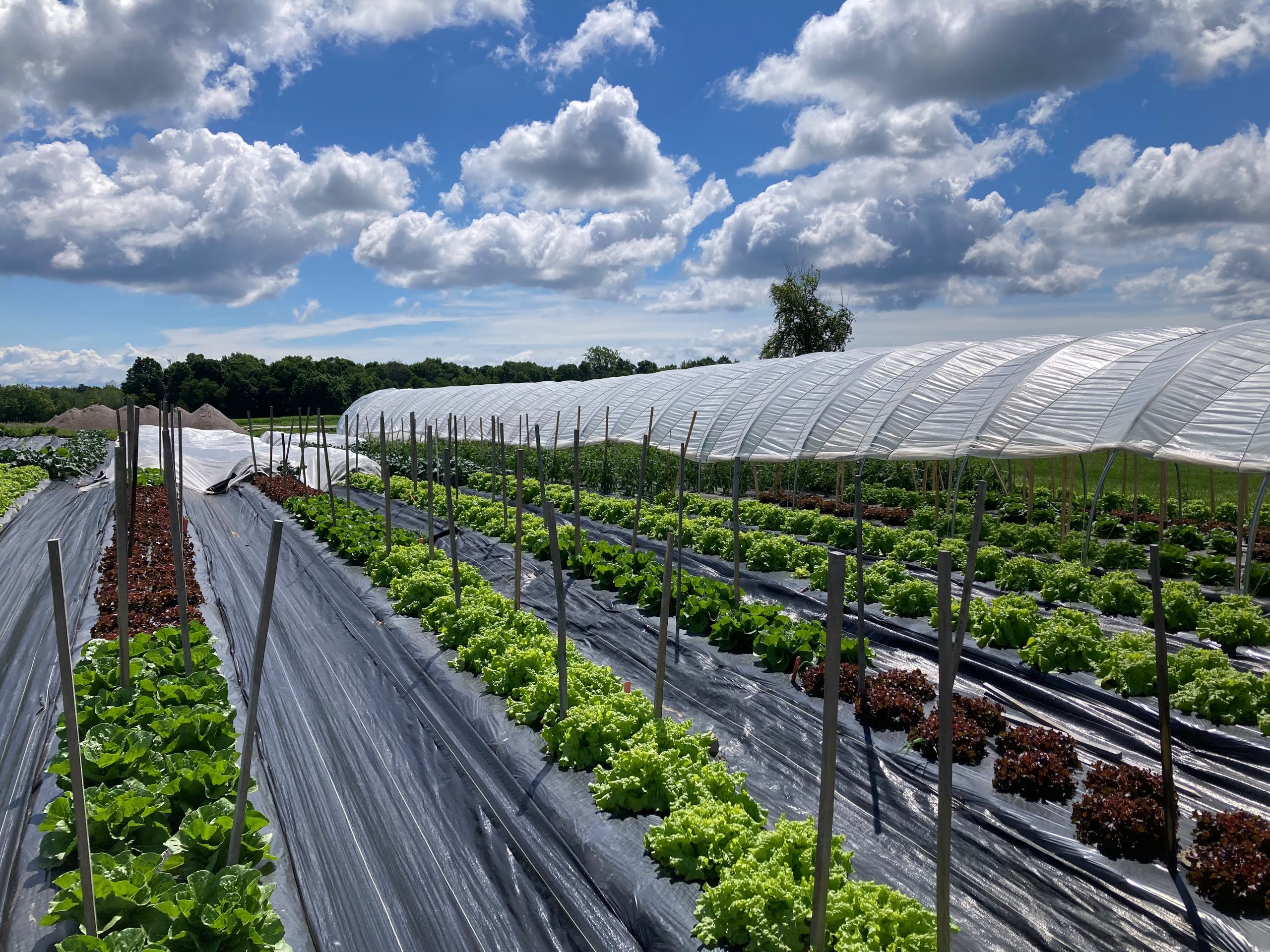
Vermont field trials (lettuce)/ Photo credit: John Bruce (University of Vermont Extension)
Irrigation Trials
In 2026, Organic Seed Alliance in California and Oregon State University are evaluating the effect of different irrigation amounts on seed production and yield.
Even within a nationwide project, it’s important to study regional growing conditions, such as aridity in the western United States. Due to increasing water availability concerns for farmers, we need to learn the reduced water rates that still lead to a successful crop and seed yield.
Irrigation rates at “High” (standard water levels for each crop type), medium (reduced percentage), and low (very reduced percentage) are based on historic grower practices, evapotranspiration rates, and site-specific irrigation rates.
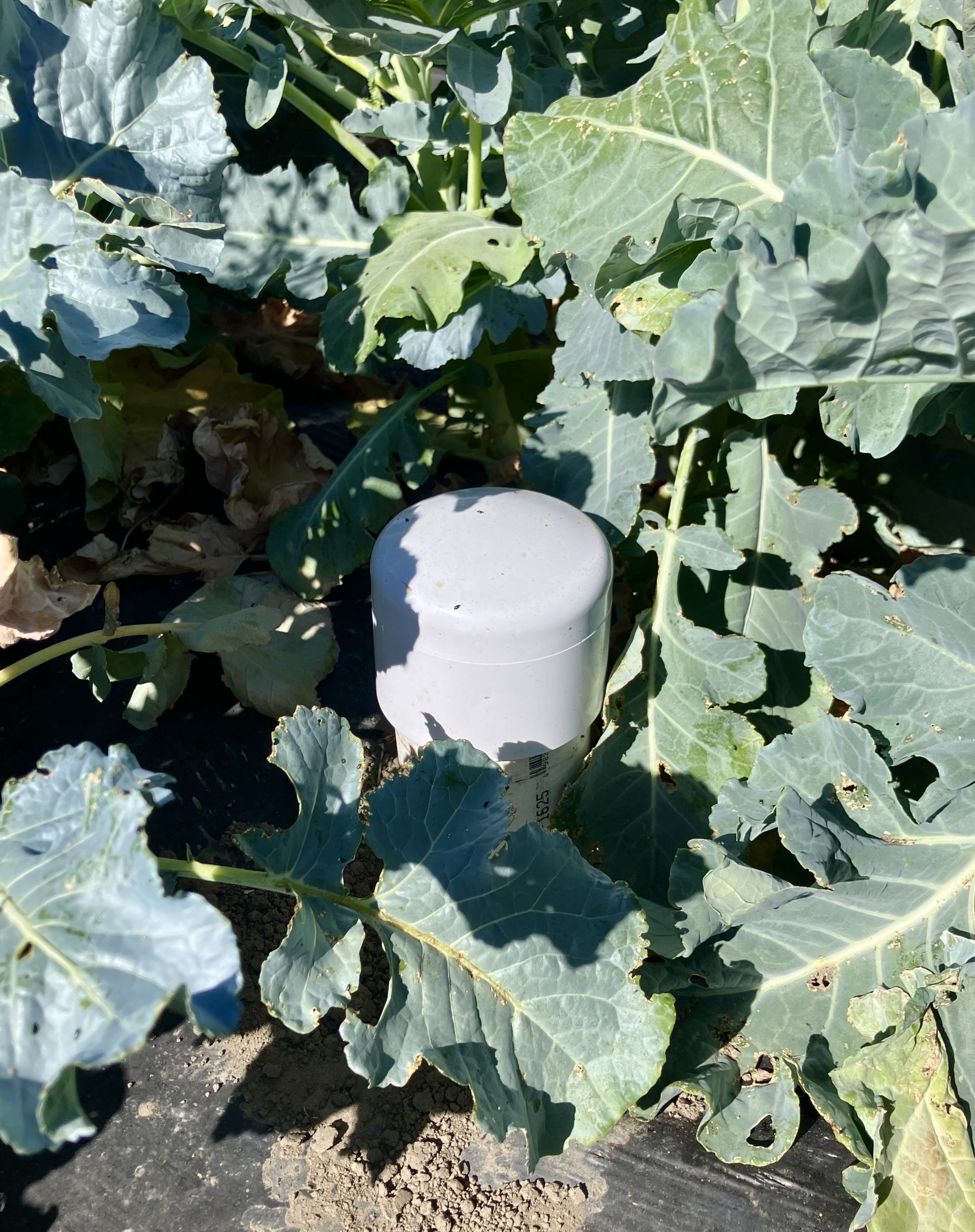
PVC access tube for Watermark sensors to take soil moisture readings in the broccoli plot / Photo credit: Molly Travis (Organic Seed Alliance)
We’re using portable moisture meters and handheld digital readers and sensors to collect soil moisture readings from PVC access tubes at 8”, 18”, and 4’ depths. Soil moisture readings and crop flowering times determine the irrigation schedule for each high, medium, and low irrigation rate replication.
Irrigation trial data will be shared in the future, alongside the comprehensive 2025-2026 OSPREY project data.
What’s Next
2027 Research Trial Recruitment – We Need You!
Do you want to be paid to conduct seed yield trials and contribute to vital research that benefits seed producers across the country?
Organic Seed Alliance, Highland Economics, Seed Savers Exchange, and SeedLinked are seeking participants for the final trials in 2027, especially from the following key regions:
- Southwest (i.e., Arizona, New Mexico, Southern California, Texas, Utah)
- Southeast/Mid-Atlantic (i.e., Alabama, Arkansas, Florida, Georgia, Kentucky, Louisiana, Mississippi, South Carolina, Tennessee, Virginia, West Virginia)
- Central/Midwest (i.e., Illinois, Indiana, Kansas, Missouri, Nebraska, Oklahoma, Ohio, South Dakota, Wisconsin)
- Non-continental United States (i.e., Alaska, Hawaii, Puerto Rico)
Even if you are unsure what you will grow in 2027, signing up now helps us understand regional interest, plan seed needs, and recruit from needed growing regions.
The trial structure is still pending for 2027, although the core crop varieties will remain the same to maintain consistency with the replicated trials. These include:
- Broccoli: De Cicco, Solstice, Waltham 29
- Lettuce: Black Seeded Simpson, Green Towers, Red Salad Bowl
- Summer squash: Costata Romanesco, Dark Star, Yellow Crookneck
- Tomatoes: Amish Paste, Brandywine, Peacevine
Potential trial options include:
- Grow Your Own Trials: Growers track seed yield data for a seed crop of their choice (harvest from a minimum of 15 plants per crop).
- Standard Trials: Growers track seed yield data for one or more of the core crop(s) and/or varieties (harvest from a minimum of 15 plants per variety).
Participants can sign up for multiple trials as space and time allow. Stipends can range from $200 to $400 per crop or trial, depending on what activities you participate in (stipend cap will depend on the final 2027 budget). You must be Certified Organic to be eligible for in-field trial stipends.
If you are interested in participating, please complete this sign-up form to be added to the 2027 Participatory Trial Recruitment list. We aim to finish recruitment by the end of October 2026.
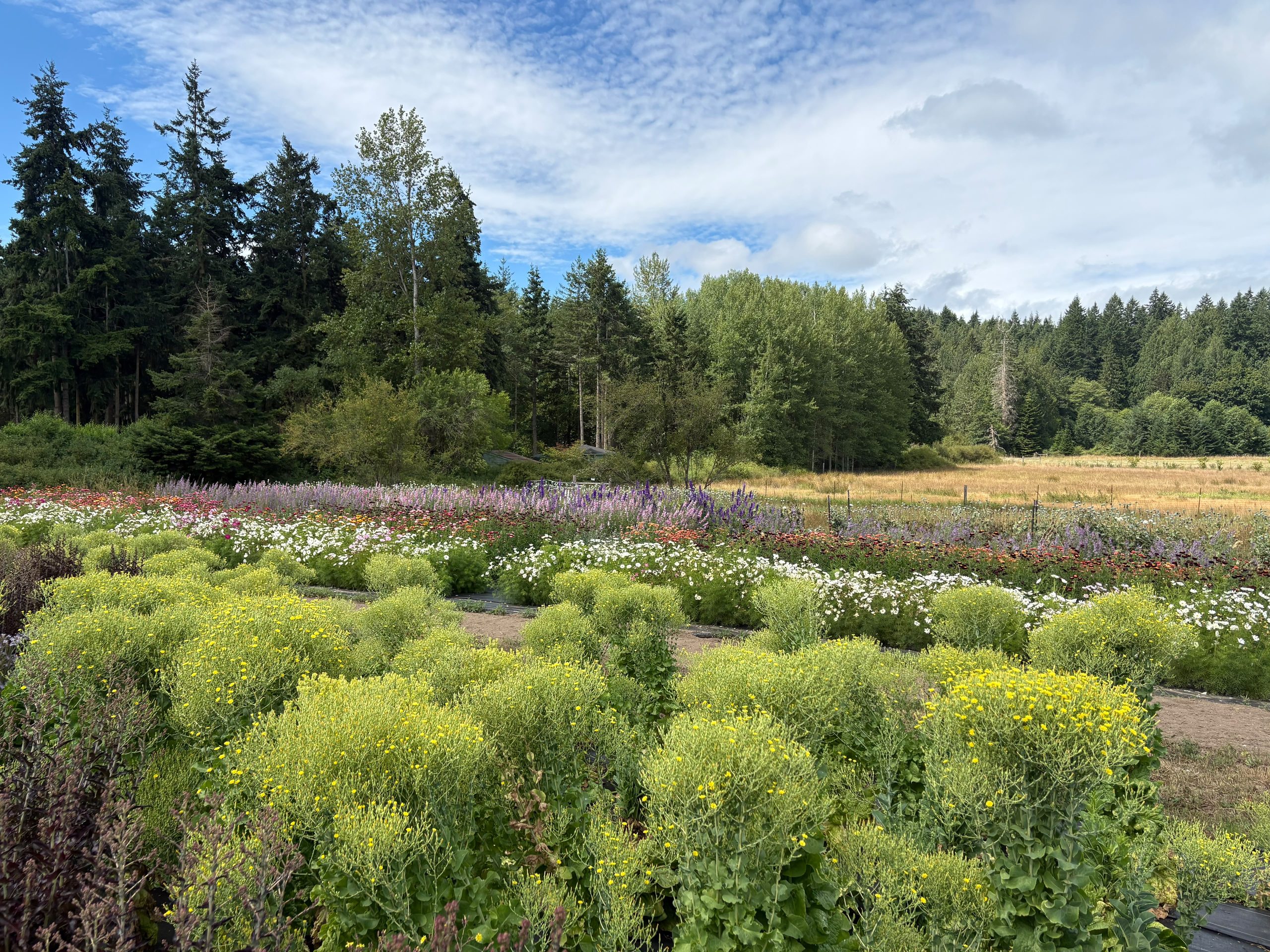
Washington field trials (lettuce) / Photo credit: Katie Jagger (Organic Seed Alliance)
Upcoming Events
OSPREY Seed Equipment Webinar: Want to learn more about seed equipment tools, scales, and strategies? OSA and eOrganic will be hosting a free seed equipment webinar on Thursday, October 29th at 11:00am – 12:30pm PT. Register here!
New England Vegetable and Fruit Conference: December 15-17, 2026 in Manchester, New Hampshire. Please visit the conference landing page for information. Project partners from the University of Vermont and Cornell University will showcase OSPREY project highlights alongside this event.
13th Biennial Organic Seed Growers Conference: March 24th – 31st 2027 in Asheville, North Carolina and online. Please visit the conference landing page for more information. We hope to share OSPREY project progress, research data, and program results with you at our next big gathering.
Get Involved
For more information about the OSPREY project in general or to participate in upcoming research and outreach activities, please visit our OSPREY page or contact molly@seedalliance.org and michael@seedalliance.org.
To connect more with OSA, check out our event offerings for workshops, webinars, farm tours, research presentations, advocacy hours, educational courses, conferences, summits, and more. We’d love to interact with you in person or virtually!
This project was funded by the Organic Research and Extension Initiative grant, part of the USDA National Institute of Food and Agriculture. Grant number 2024-51300-43056.