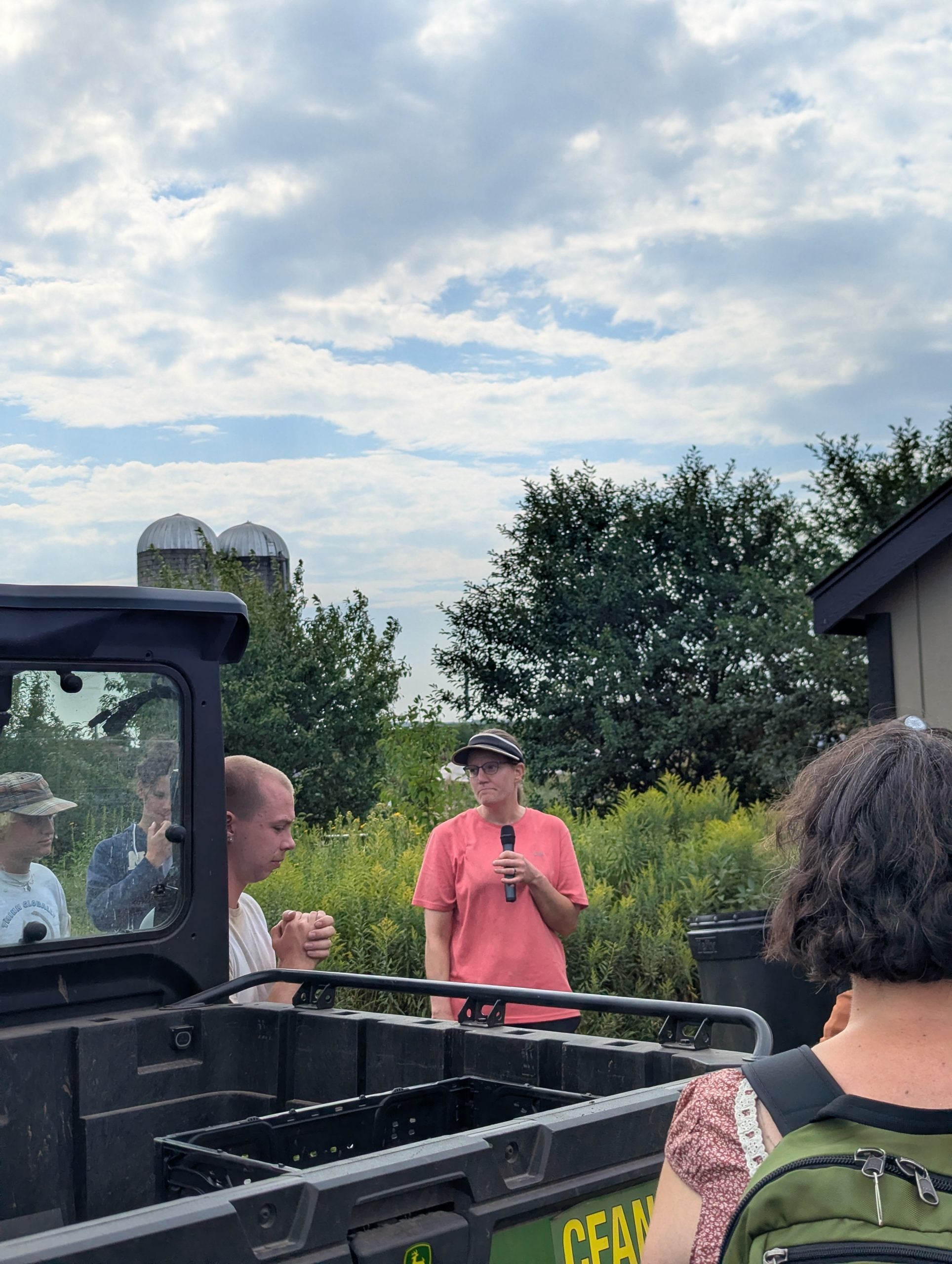
On August 19th and 20th, 2026, Organic Seed Alliance and the University of Minnesota co-hosted the Midwest Organic Seed Summit, bringing together regional partners for two days of collaborative learning, field tours, and community building.
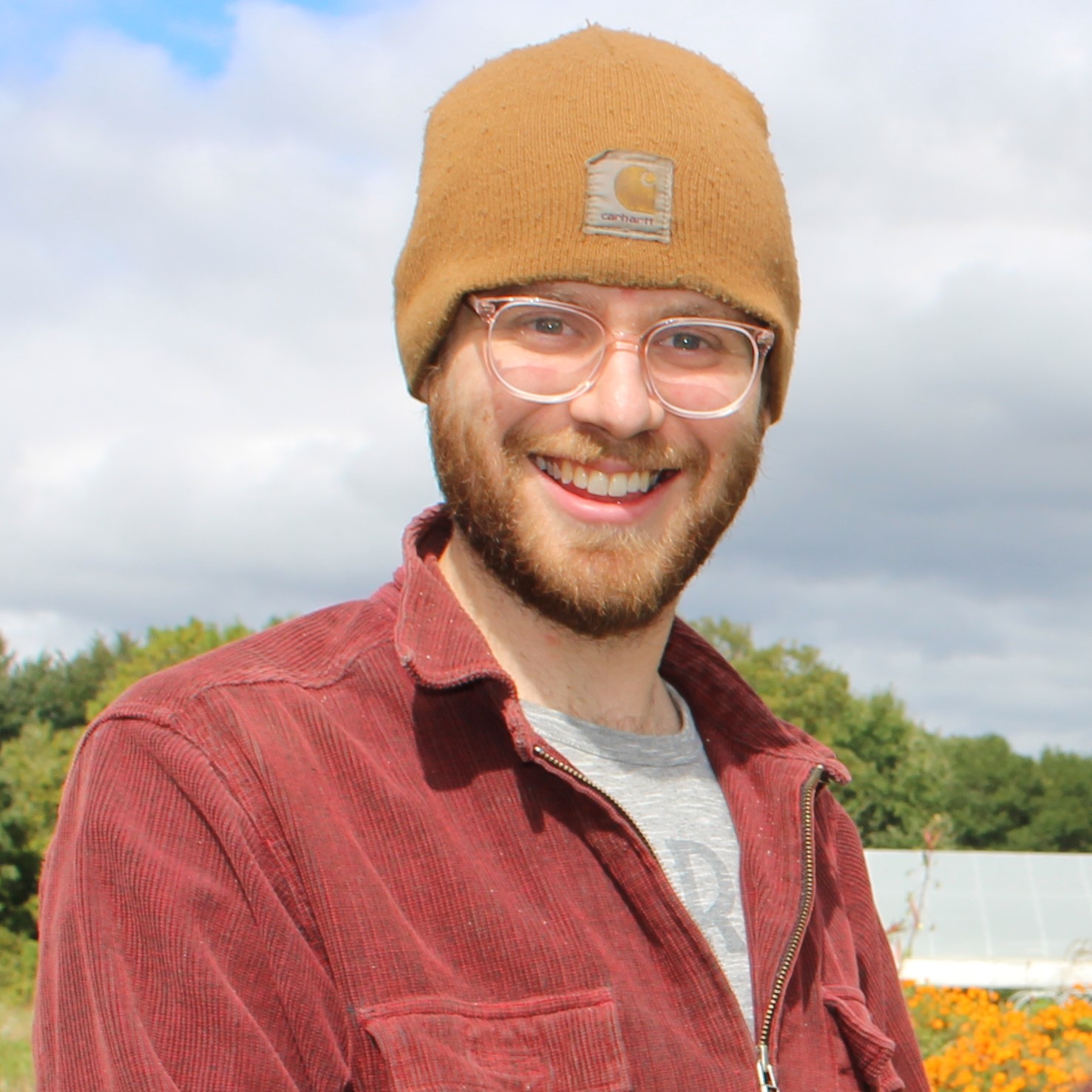
Throughout the summit, participants highlighted how regional seed stewardship intersects with farmer livelihoods and cultural heritage. OSA’s Assistant Director of Research, Michael Lordon, shared about OSA’s partnership with the USDA Transition to Organic Partnership Program (TOPP) alongside our ongoing educational and research initiatives. Zachary Paige of U-MN Extension and North Circle Seeds shared insights into producing seeds and breeding varieties within a small, regionally focused organic seed company. Zachary also showed participants an example of a solar farm stand and off-grid cooler that serves as a model for farms interested in direct-to-customer sales from the farm gate.
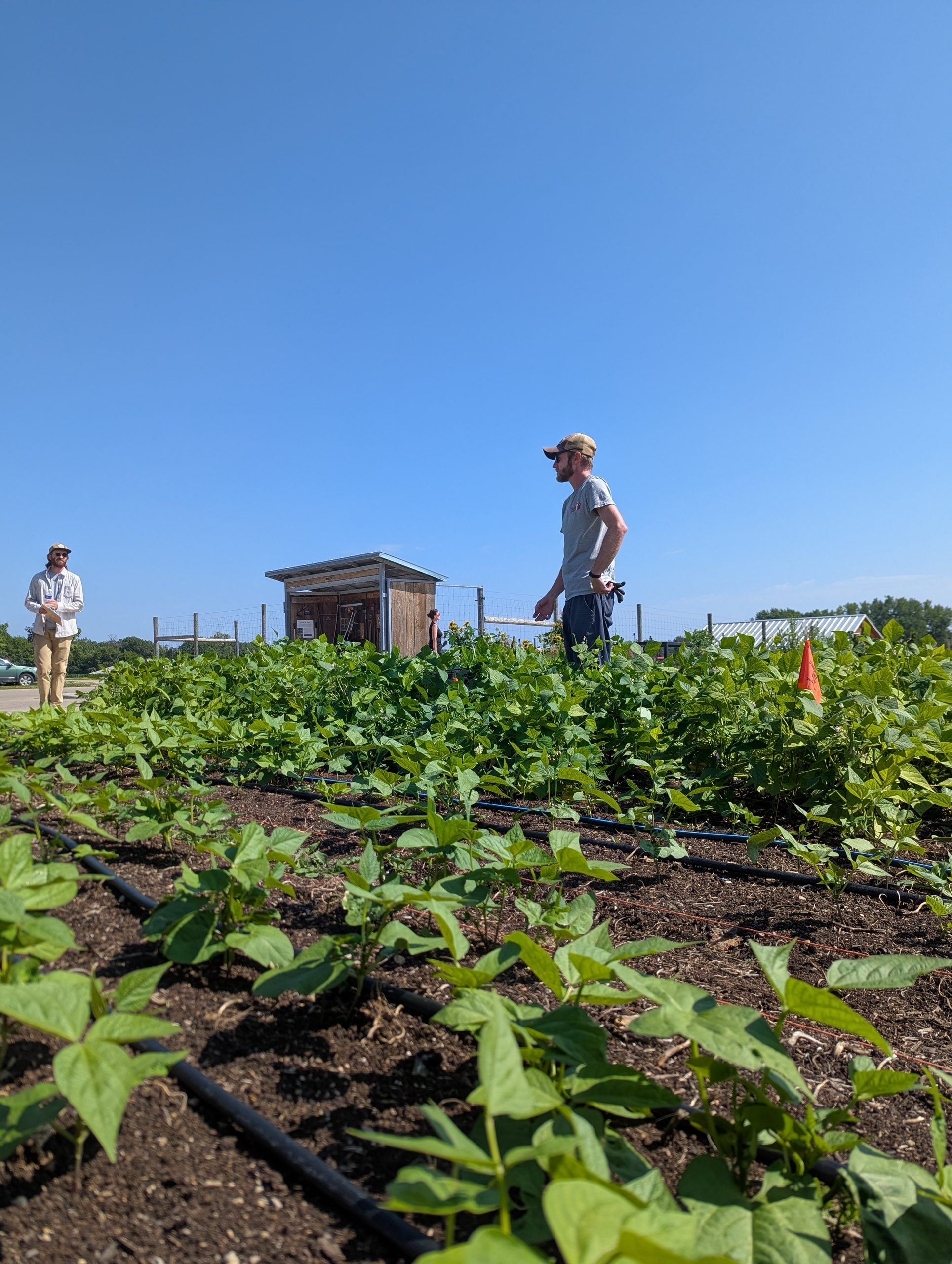
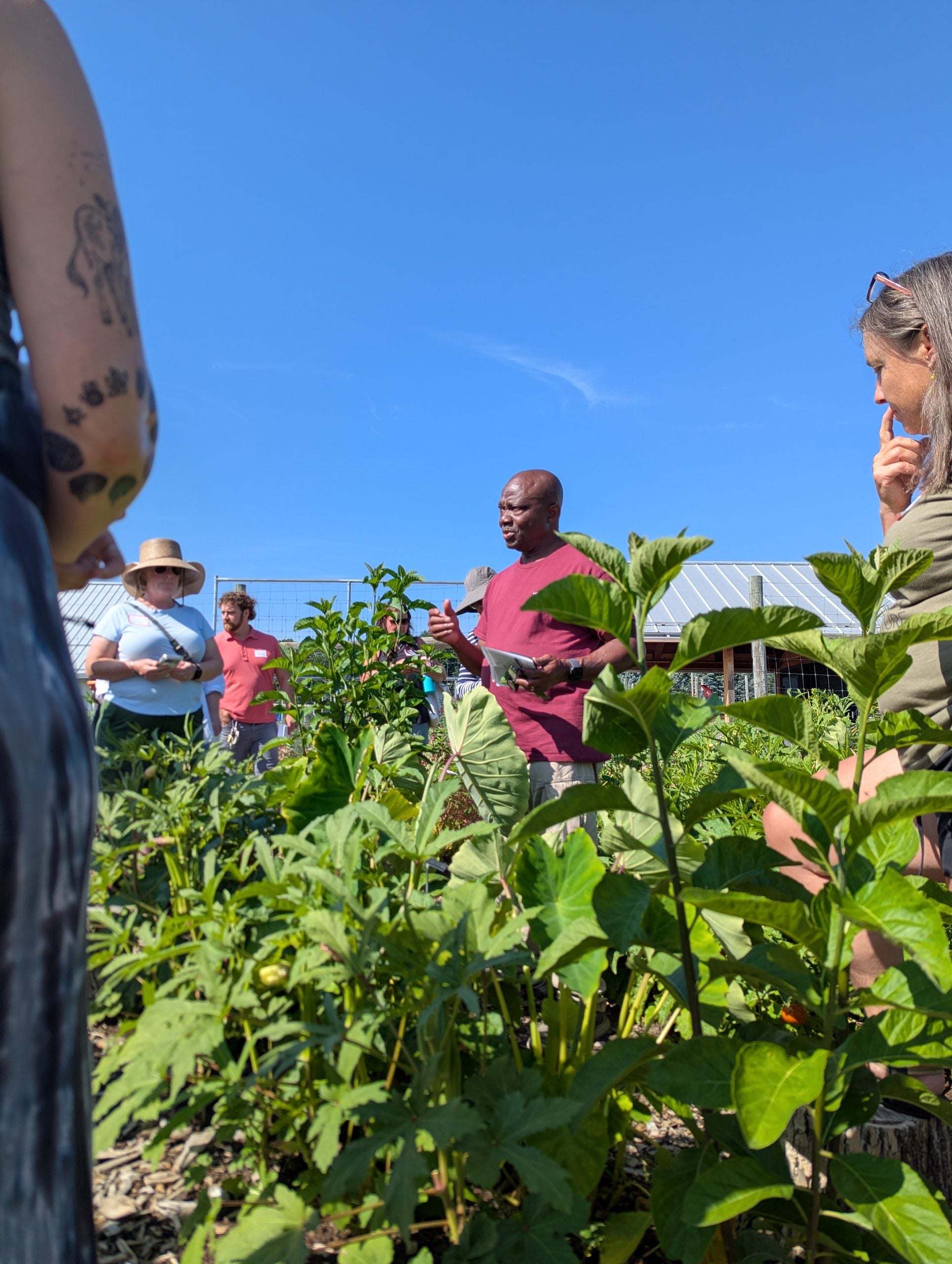
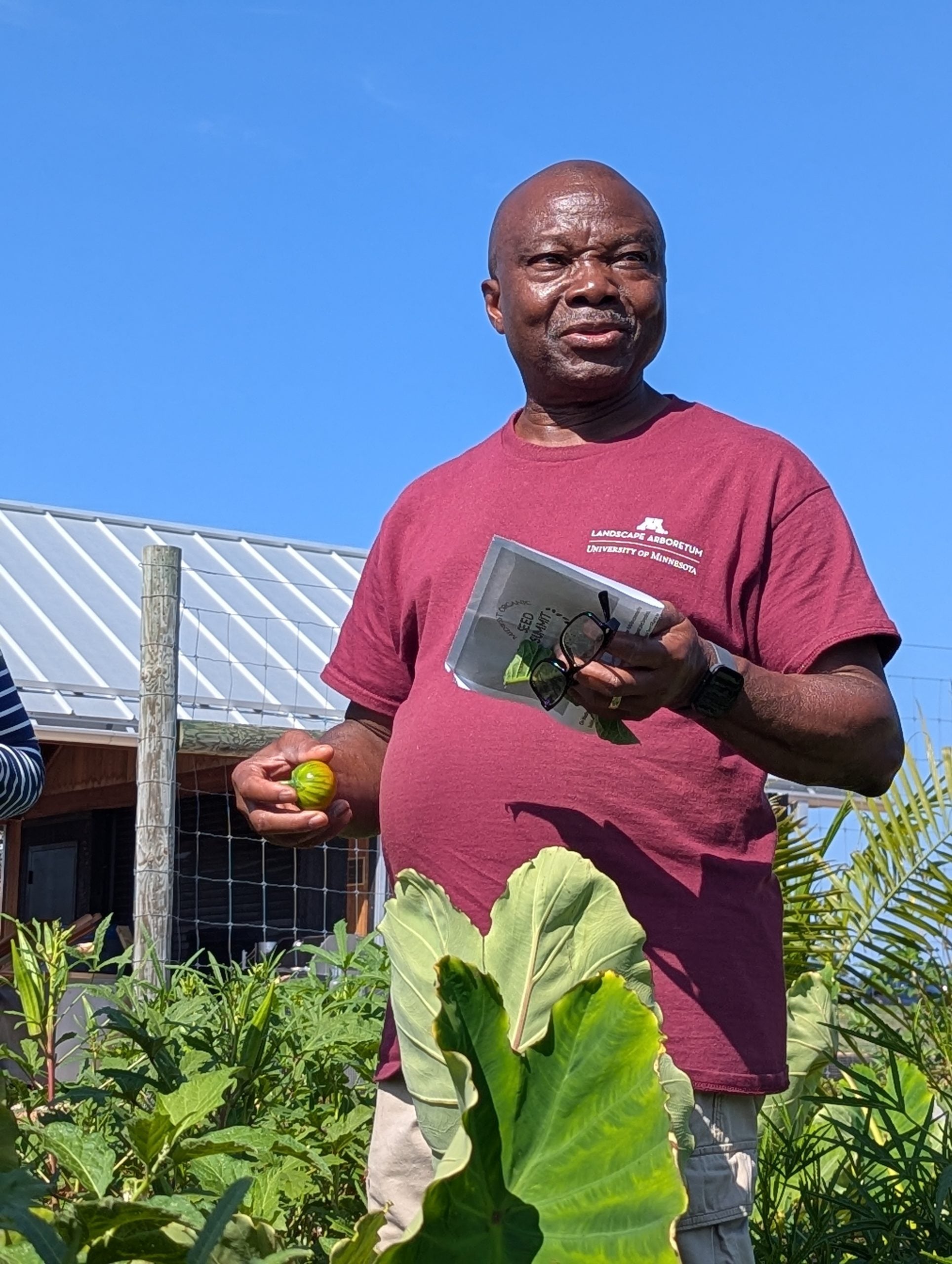
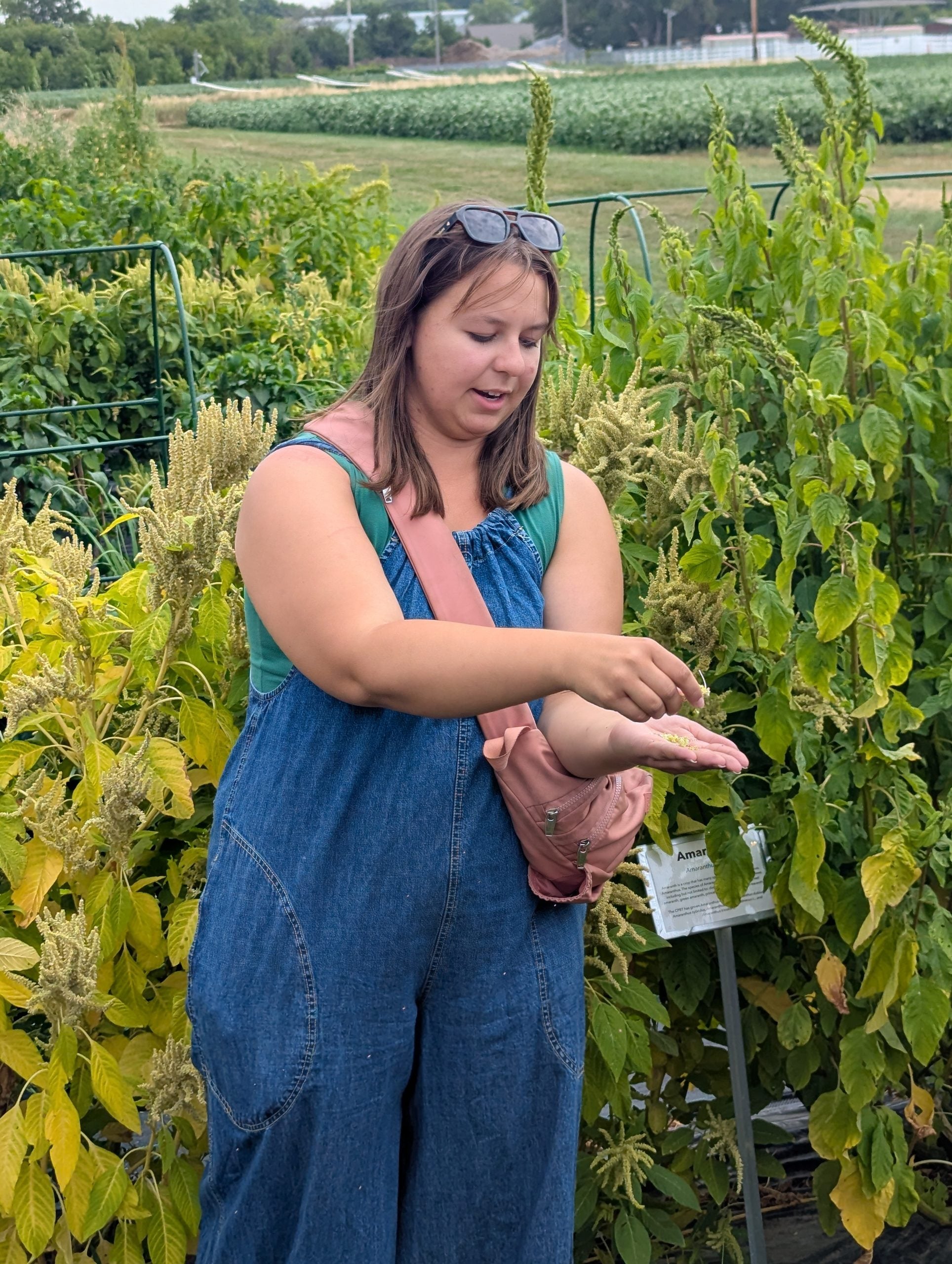
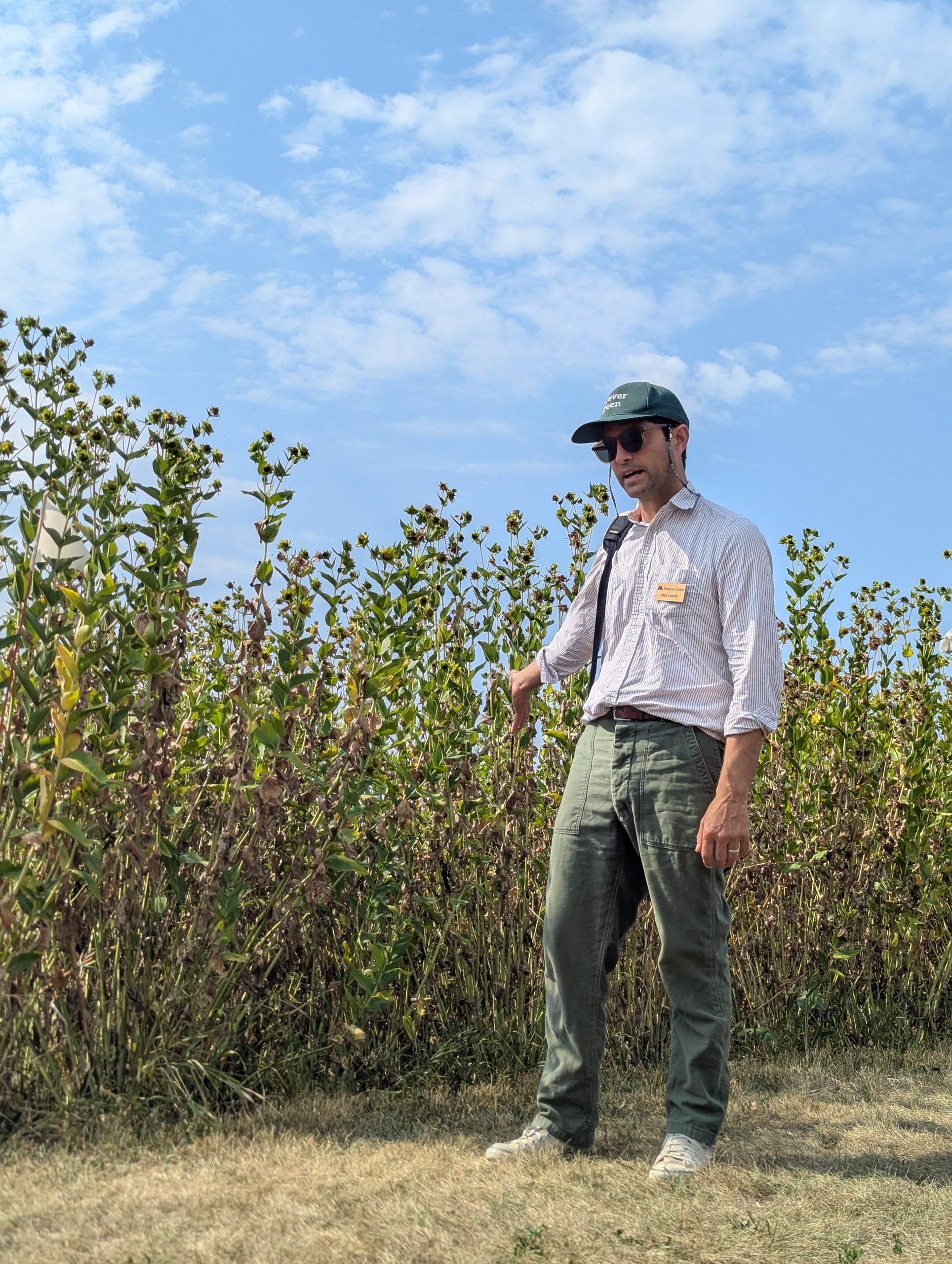
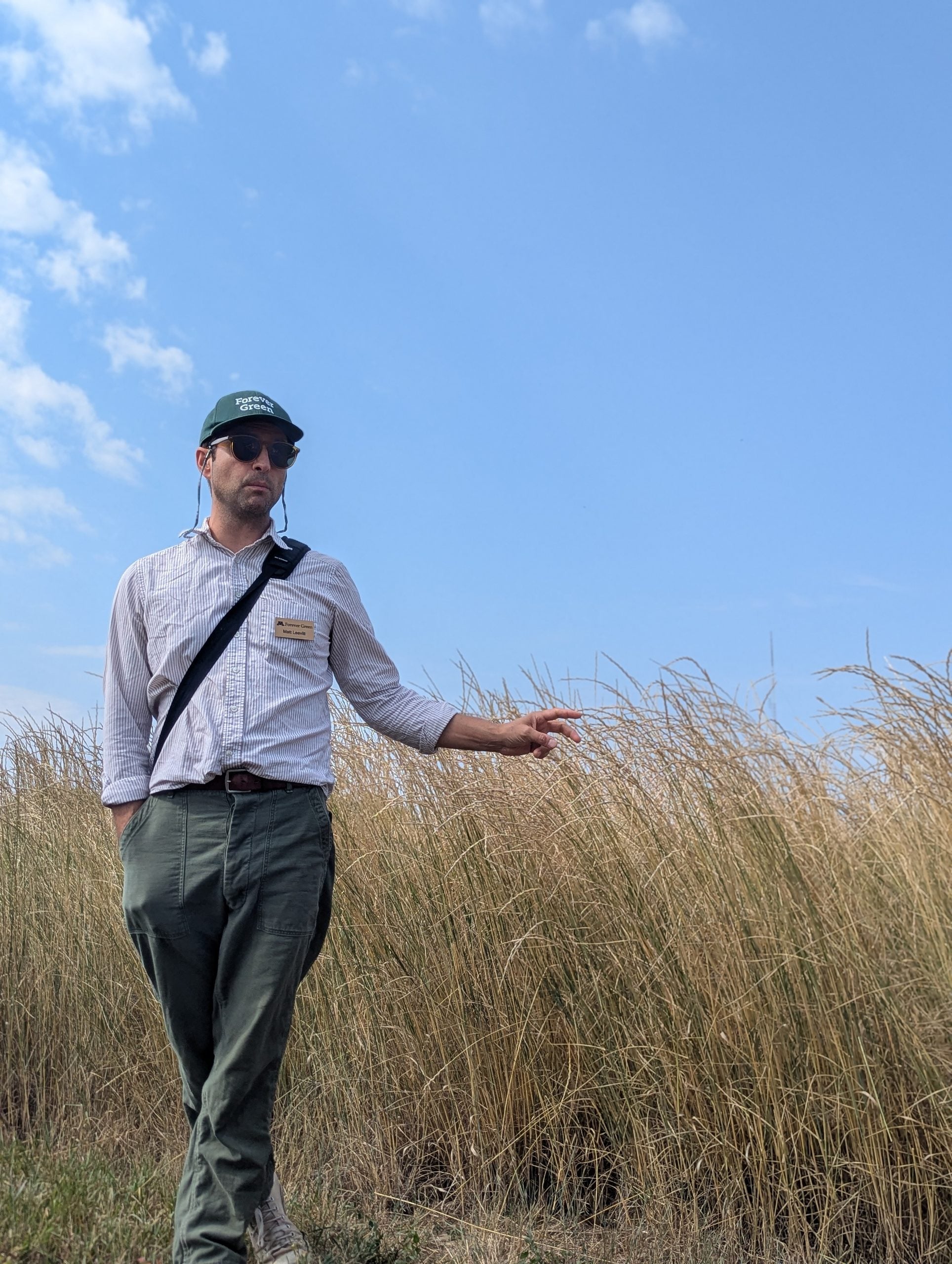
Kayla Grennes and Frenzee Kroeizha Pammit from the U-MN Community Plant Breeding Team showcased their collaborative work with local gardeners to select Minnesota-adapted varieties of four distinct greens: amaranth, cleome, Ethiopian mustard, and jute mallow. The manager and crew from the Student Organic Farm led a tour through their production area, where they grow a diversity of crops to help feed the university community and train the next generation of farmers. Additionally, Hennepin County Master Gardener Chidi Chidozie led a tour of the traditional Igbo garden at the Arb, highlighting traditional Nigerian vegetables and medicinal plants adapted to the Upper Midwest alongside traditional cultural growing practices. Finally, Matt Leavitt from the Forever Green Institute led a display of their experimental plots growing Kernza and Silflower (silphium).
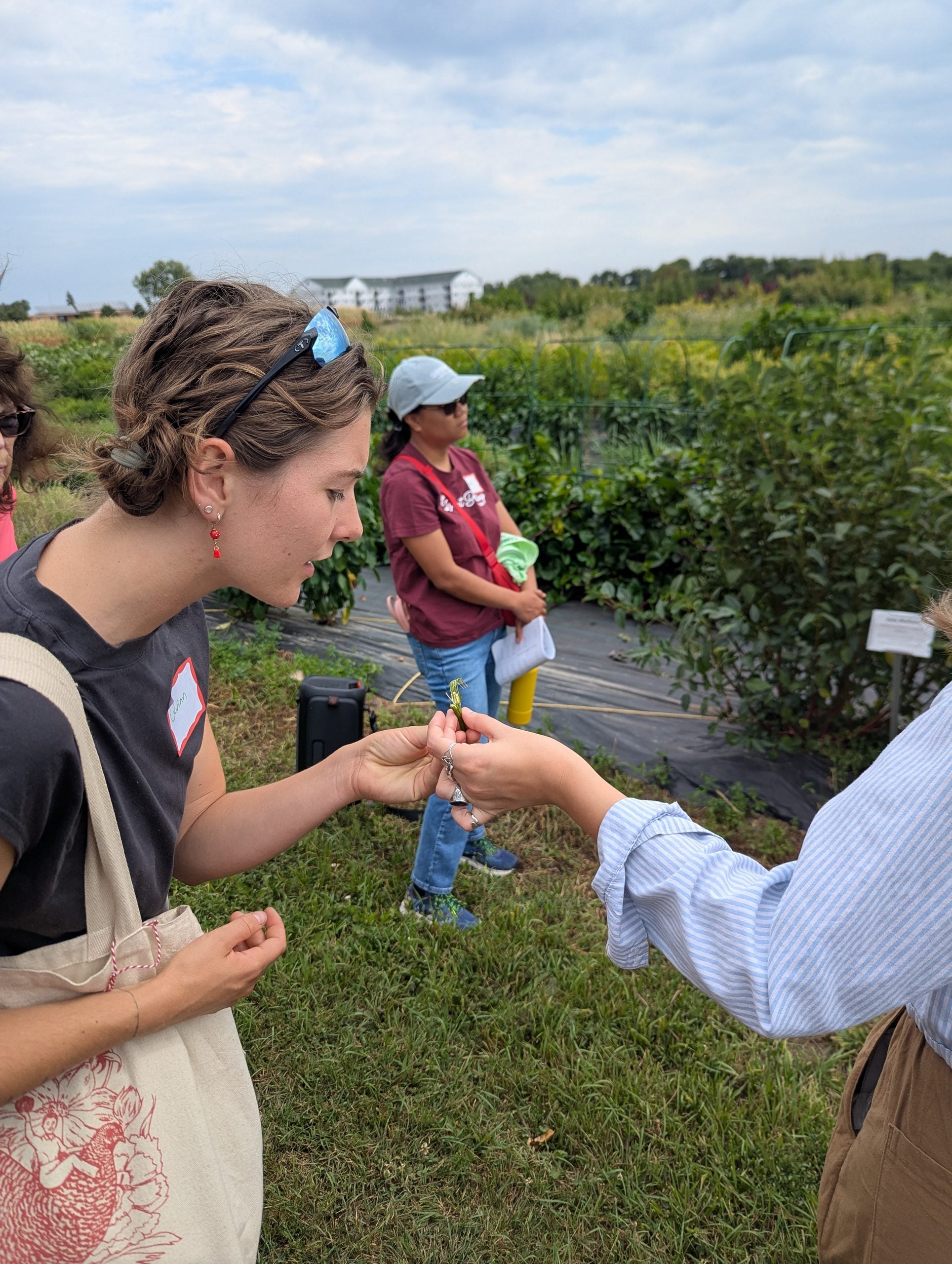
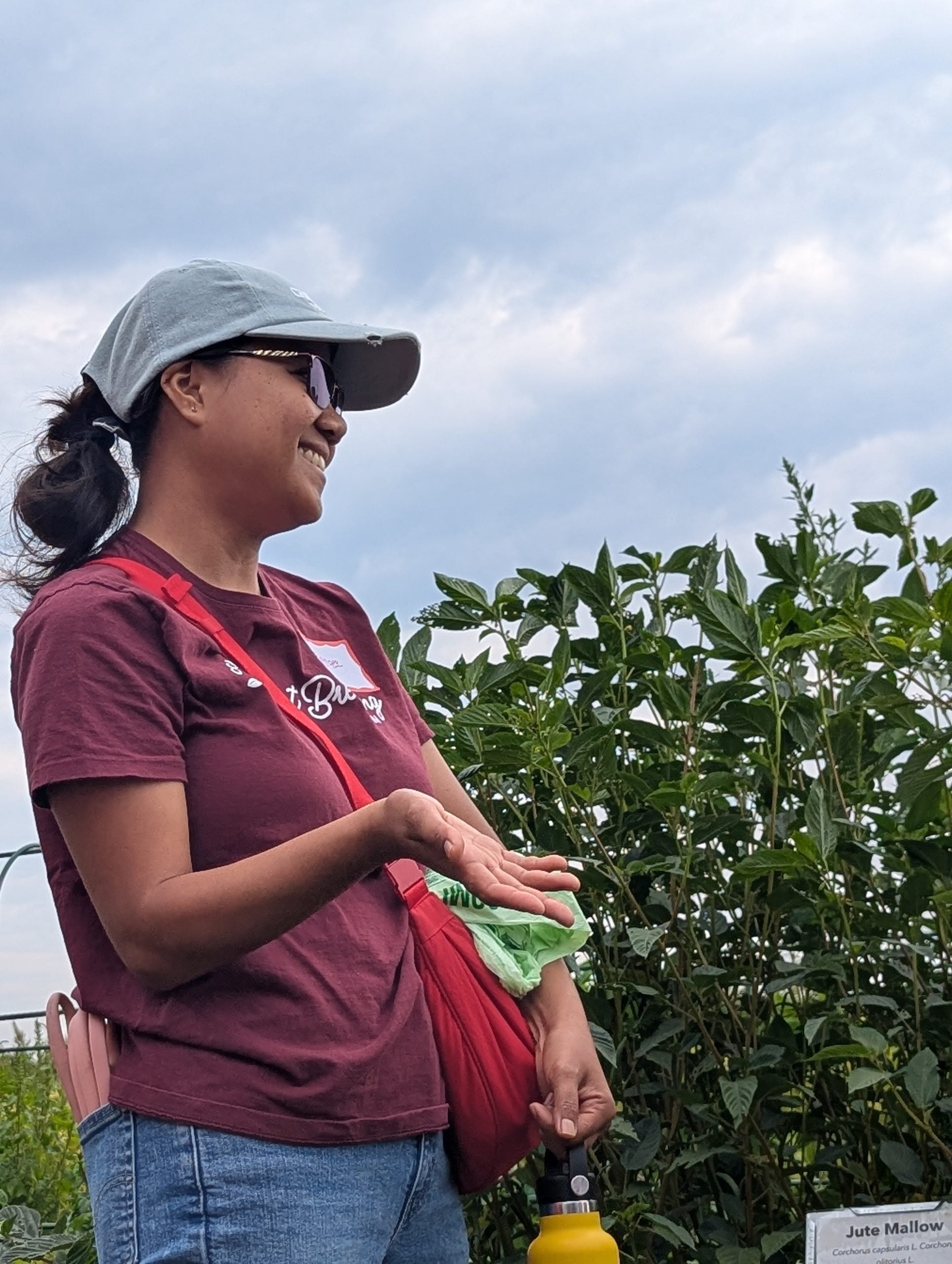
A guiding thread across both days was how individuals and institutions can collectively expand the abundance, diversity, and adaptation of organic seed. Access to seed bred specifically for organic systems and regional climates is essential for farm resilience. Supported through the USDA TOPP initiative, our work aims to help producers overcome technical, cultural, and financial challenges associated with organic certification. By empowering communities with plant breeding and seed-saving skills, growers retain stewardship over their seed while filling vital gaps in the regional organic seed supply.
To stay connected and continue building regional seed abundance, explore resources and events through the TOPP Website. We also invite you to register for the biennial Organic Seed Growers Conference, taking place March 24–31, 2027, in Asheville, NC, and online. Finally, join thousands of fellow seed enthusiasts on Organic Seed Commons to access our free, self-paced Organic Seed Production course and explore archived conference sessions. For questions about OSA’s Midwest programming, feel free to reach out to Michael Lordon at michael@seedalliance.org.
This event is supported through the United States Department of Agriculture (USDA) Transition to Organic Partnership Program (TOPP). TOPP is a program of the USDA Organic Transition Initiative and is administered by the USDA Agricultural Marketing Service (AMS) National Organic Program (NOP).