OSGC Speakers
Click on each speaker below to learn more about them. We are finalizing the program, and additional speakers will be added. Check back soon!
In-Person Conference Speakers
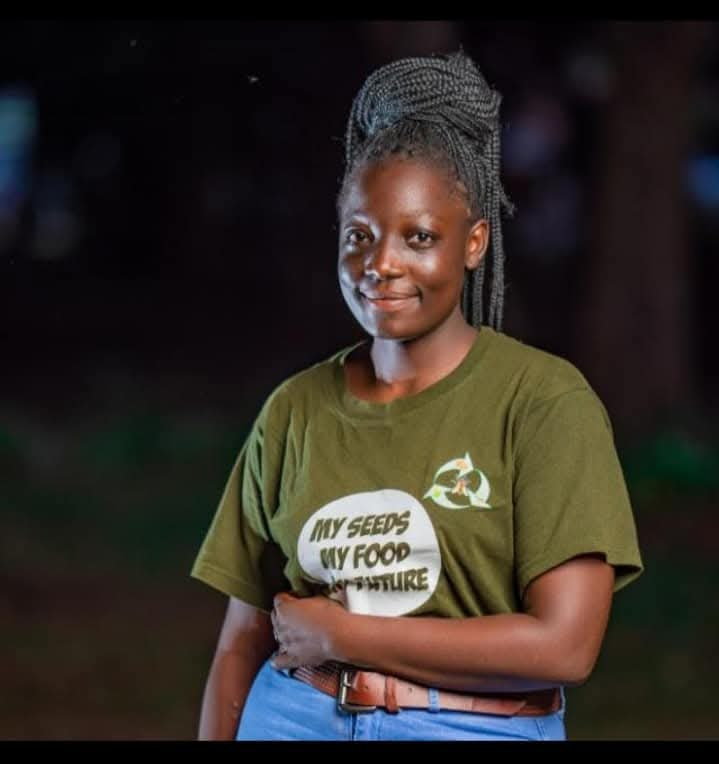
Mercy Ambani
Seed Savers Network, Kenya
Mercy Ambani
Mercy Ambani is the Partnership Lead at Seed Savers Network (SSN), Kenya, where she contributes to advancing agrobiodiversity conservation, farmer-managed seed systems, and seed sovereignty. Since joining the organisation in 2019, she has supported initiatives focused on strengthening community seed banks in Kenya, conserving indigenous seeds, and promoting traditional leafy vegetables. She has contributed to initiatives that strengthen farmer-led seed conservation, improve food and nutrition security, and enhance climate resilience. Mercy Ambani is passionate about protecting farmers’ rights, promoting indigenous knowledge, and strengthening community-led seed systems. Through her work, she is committed to building strategic partnerships that advance seed sovereignty, agroecology, resilient livelihoods, and sustainable food systems across Kenya and the wider Eastern African region.
Shahab Bashar
Community Crops
Shahab Bashar
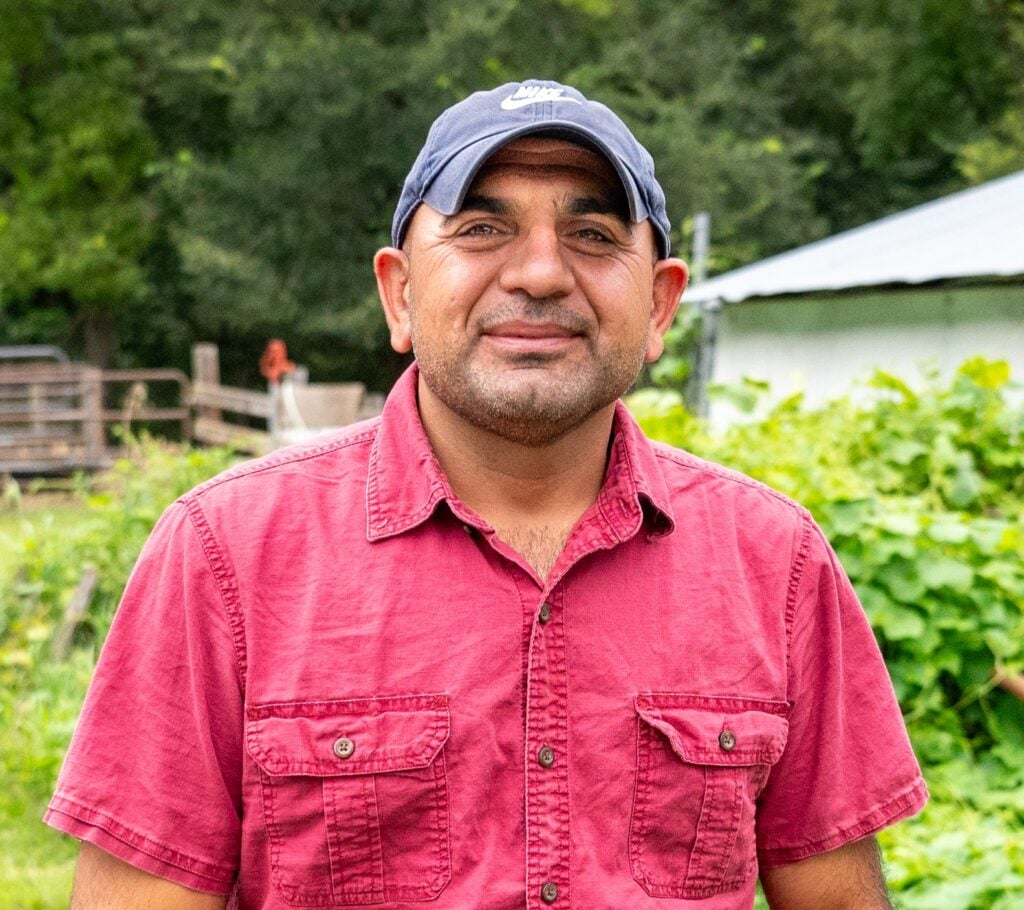
Shahab Bashar works as a farm program specialist with Community Crops, a program that empowers people to grow food through education, experiences, and resources. Shahab and his wife farm at Prairie Pines, a location owned and managed by Community Crops. He is passionate about farming, especially cultivating cultural produce that caters to the diverse culinary needs of communities that have come from Southwest Asia and Africa to Nebraska.
Paul Betz
High Mowing Organic Seeds
Paul Betz
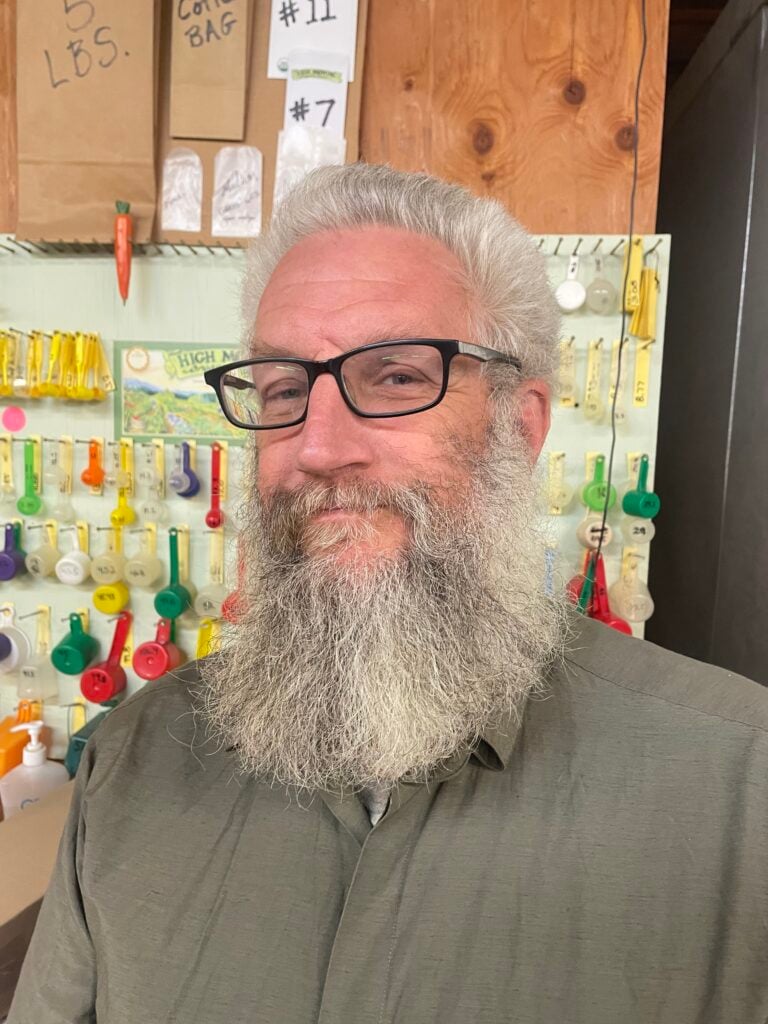
Paul Betz lives on a hill farm in Woodbury, VT, and is a recovering market farmer who grew fresh produce on 2.5 acres for direct sales and CSA for 18 years, retiring the business at the end of the 2016 season. He has been with High Mowing Organic Seeds since 2007, when he started in a seasonal sales role supporting the needs of commercial growers. Moving to full-time in 2014, in various sales positions, he worked with commercial growers, seed companies, key accounts, and international customers. In the summer of 2025, he transitioned into Operations. He now handles purchasing and manages contract productions with a wide community of growers that supply seeds to High Mowing Organic Seeds.
Margaret Bloomquist
NC State University
Margaret Bloomquist
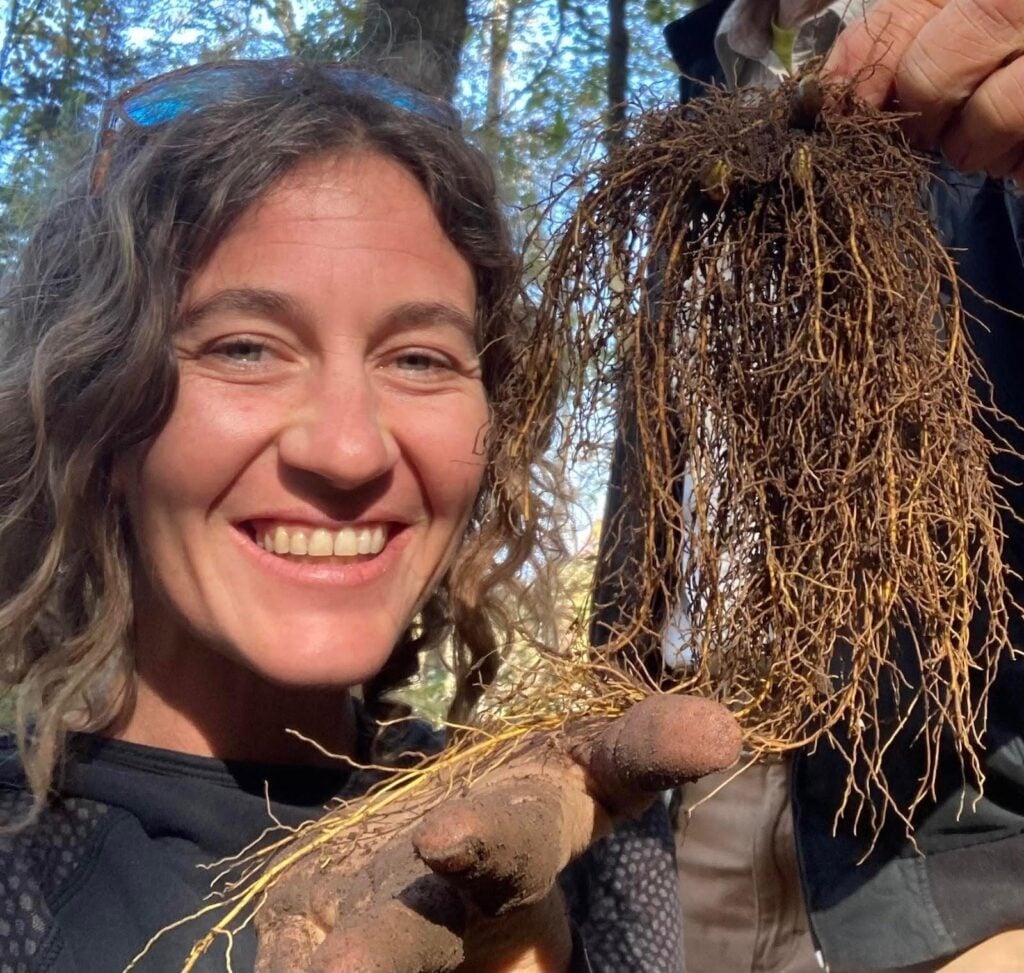
Margaret Gove Bloomquist has been a Research Scholar for the North Carolina Alternative Crops & Organics Program, Department of Horticultural Science, NC State University, since 2012. She is based in western North Carolina and specializes in medicinal herbs, woodland botanicals, organics, and other specialty crop efforts, and is a frequent invited speaker on those topics. Margaret is a leader of the NC Medicinal Herb Growers and the Woodland Stewards groups, co-director for the Appalachian Forest Farmer Coalition, and professionally serves the Association for Temperate Agroforestry, the Agroforestry Coalition, and the Lilium Initiative. She has dedicated her career to sustainable agriculture and rural community development through applied research, collaboration, and extension.
Heron Breen
Fruits of Our Labors (FOOL)
Heron Breen
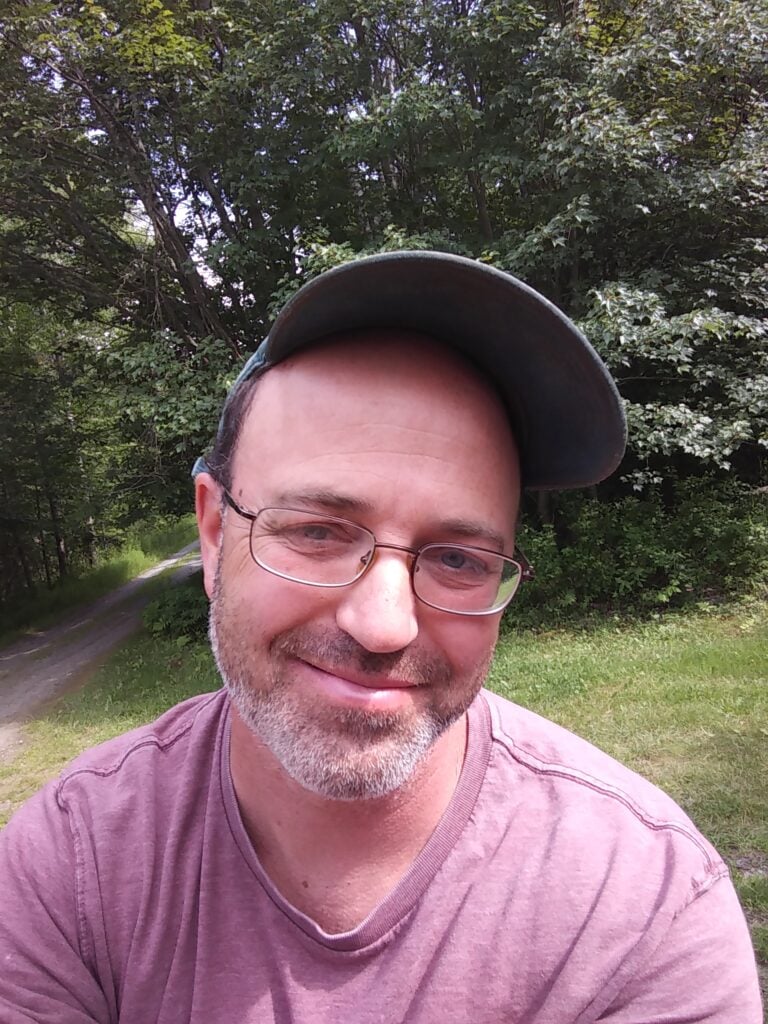
Based in Saint Albans, Maine, Heron Breen operates a private research, seed production, and plant breeding farm business named Fruits of Our Labors, also known as FOOL Seeds. Heron’s field operations cultivate 9 active acres of seed work each season, spread across multiple isolation plots bridging 2 counties. While not certified organic, Heron’s crop and field management practices lean heavily toward that approach. In addition to working directly with plants, Heron also consults with and advises other seed growers, plant breeders, and seed businesses regarding organic seed production, breeding approaches, and seed business strategy.
Amy June Breesman
Local Contexts & Thrasher Seeds
Amy June Breesman
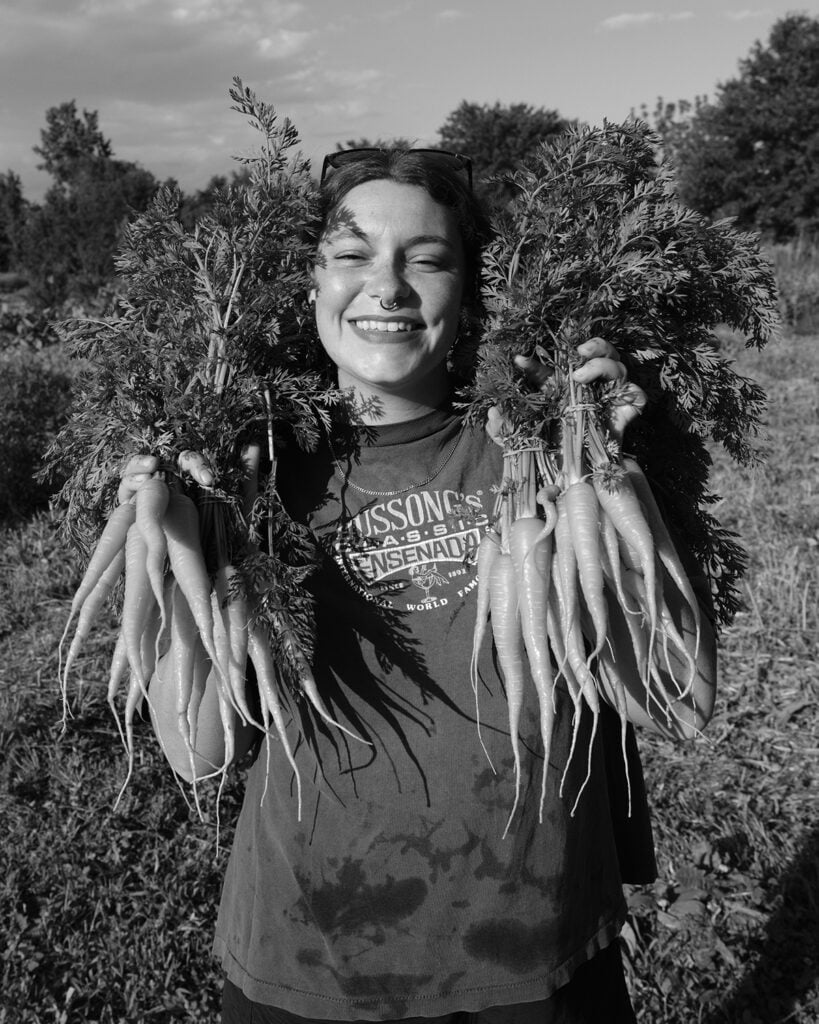
Amy June Breesman (Eastern Shawnee/mixed settler) is an artist, farmer, and seed keeper based in Richmond, Virginia, along the James River. Her seed work is built on the belief that communities should have access to their culturally important seeds without barriers, and attribution (if not recompense) to source communities should be more widely adopted in the seed industry.
Dan Brisebois
Seed Farmer Podcast
Dan Brisebois
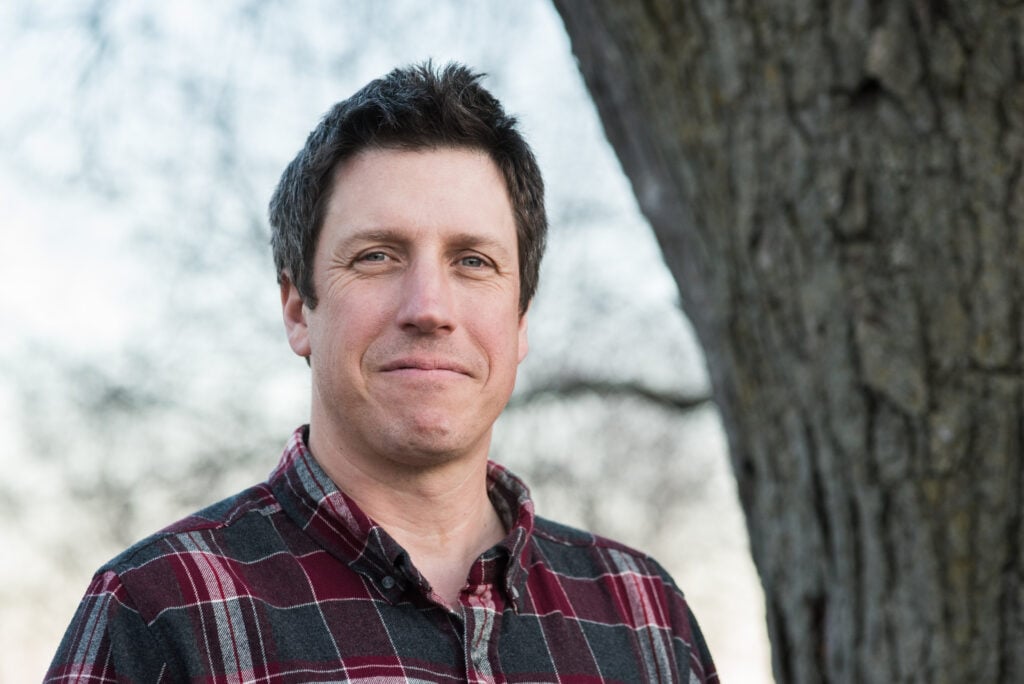
Dan Brisebois has a secret agenda. He wants you to grow seed on your farm! Dan is the author of The Seed Farmer and co-author of The Profitable Farmer, and the host of the Seed Farmer podcast. Dan runs the Farmer Spreadsheet Academy and blogs about farming and seeds at www.danbrisebois.com. Dan Brisebois is also a founding farmer at Tourne-Sol co-operative farm in Les Cèdres, Quebec. Tourne-Sol grows organic seeds for an online seed store and a wholesale rack program, and grows organic vegetables for 500 weekly veggie baskets.
Dylan Bruce
Driftless Seed Supply
Dylan Bruce
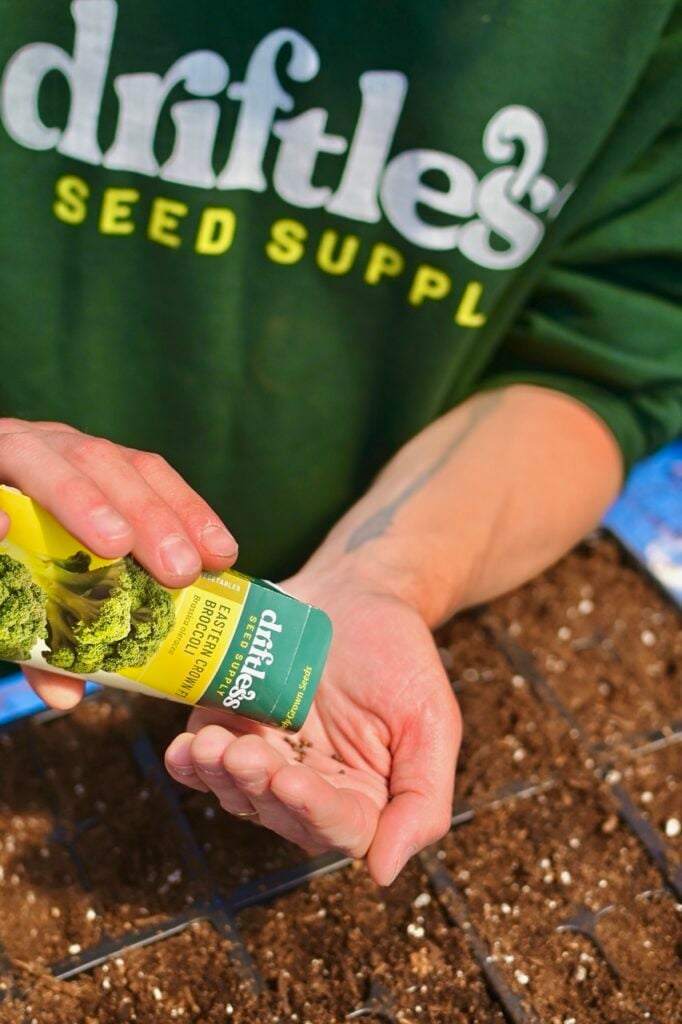
Dylan Bruce, farmer and owner of Driftless Seed Supply, grew up on a vegetable farm in Wisconsin’s Driftless region. He has been producing certified organic seed on contract for other companies since 2018 and cofounded an ag tech company called SeedLinked with the goal of infusing more transparency into the seed breeding and selection process. In 2023, Dylan cofounded Driftless Seed Supply with the goal of building out a robust product lineup for Midwest growers. He works with the Seed Workers Organizing Transparency Working Group and the Local Seeds Coalition Standard Committee to promote traceability and transparency in seed procurement throughout the industry.
Cait Caughey
Center for Rural Affairs
Cait Caughey
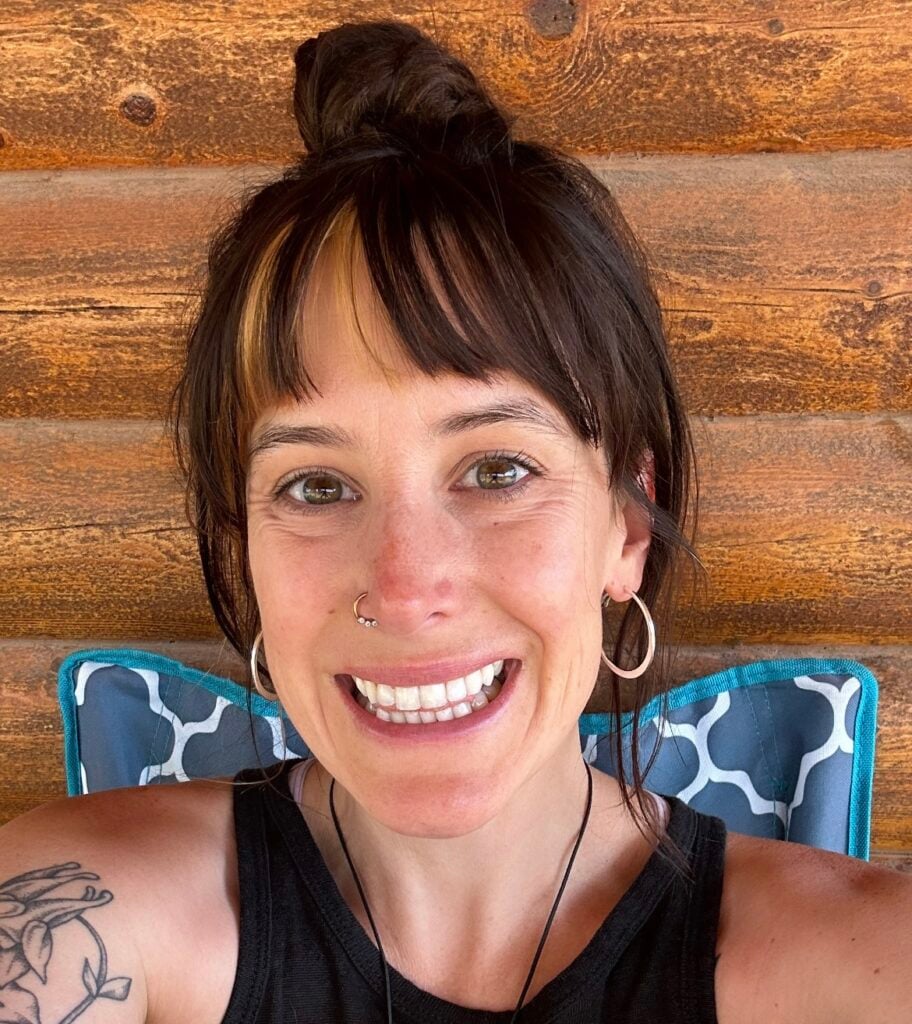
Cait Caughey is a farmer, seed saver, and educator. She has operated two specialty crop farms in Southwest Iowa, including Mullein Hill Farm. Cait works at the Center for Rural Affairs supporting beginning farmers through training and education. In 2018, Cait trained with Rocky Mountain Seed Alliance and brought “Seed School” to Nebraska with Alex O’Hanlon. Since 2019, Cait co-founded a seed cooperative and started a seed trial program for specialty crop farmers in Nebraska and Iowa with a particular focus on saving cultural seed varieties.
Kevin Cook
Johnny’s Selected Seeds
Kevin Cook
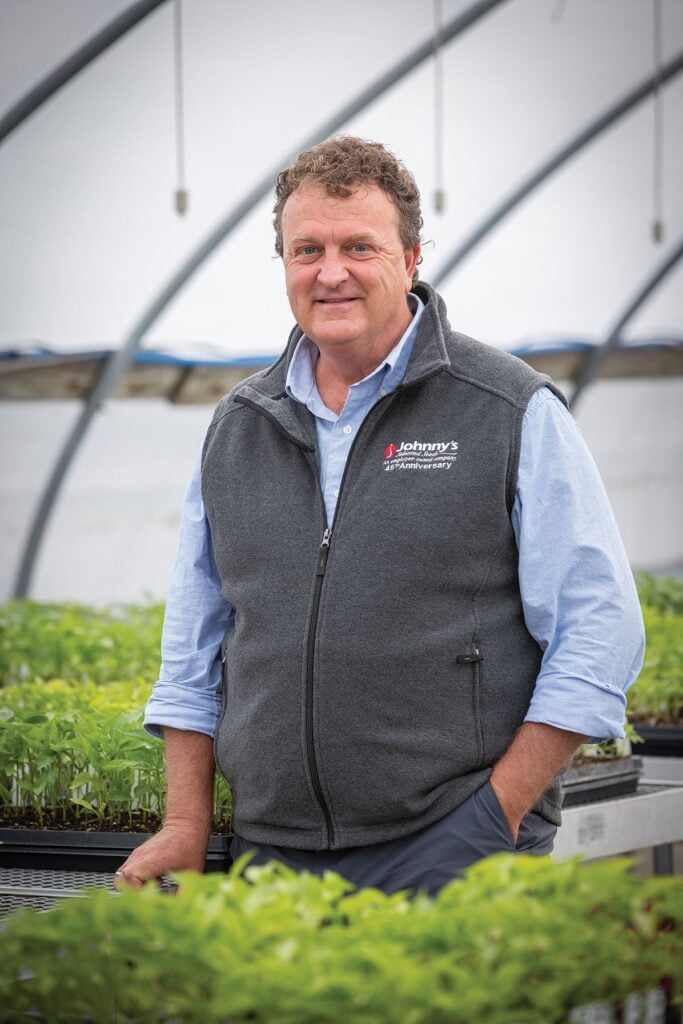
Kevin Cook is the Vice President of Research and Development at Johnny’s Selected Seeds, where he has worked for the past seven years. He is responsible for the management of the Breeding, Seed Production, Farm Operations, Trialing & Selection, and Quality & Regulatory Affairs departments. Previously, Kevin was the Director of Breeding for Johnny’s and their Tomato & Pepper Breeder. Prior to joining Johnny’s, Kevin was a pepper breeder and breeder manager for fifteen years and a zucchini & summer squash breeder for ten years at Syngenta and Rogers NK. Kevin is currently Co-Chair of the USDA Crop Advisory Committee for Capsicum. Kevin received a Ph.D. in plant breeding and genetics from Oregon State University and was the last Ph.D. student of Dr. Jim Baggett; he received an M.S. degree from Texas A&M University with the late Dr. Leonard Pike, and a B.S. degree with a plant breeding emphasis from Cornell University. Kevin has developed numerous varieties of zucchini, summer squash, and sweet pepper and has extensive experience in seed production from breeder seed to commercialization. He lives on the rustic Mid-Coast of Maine in New Harbor with his wife Lisa.
Helen Anne Curry
Georgia Institute of Technology
Helen Anne Curry
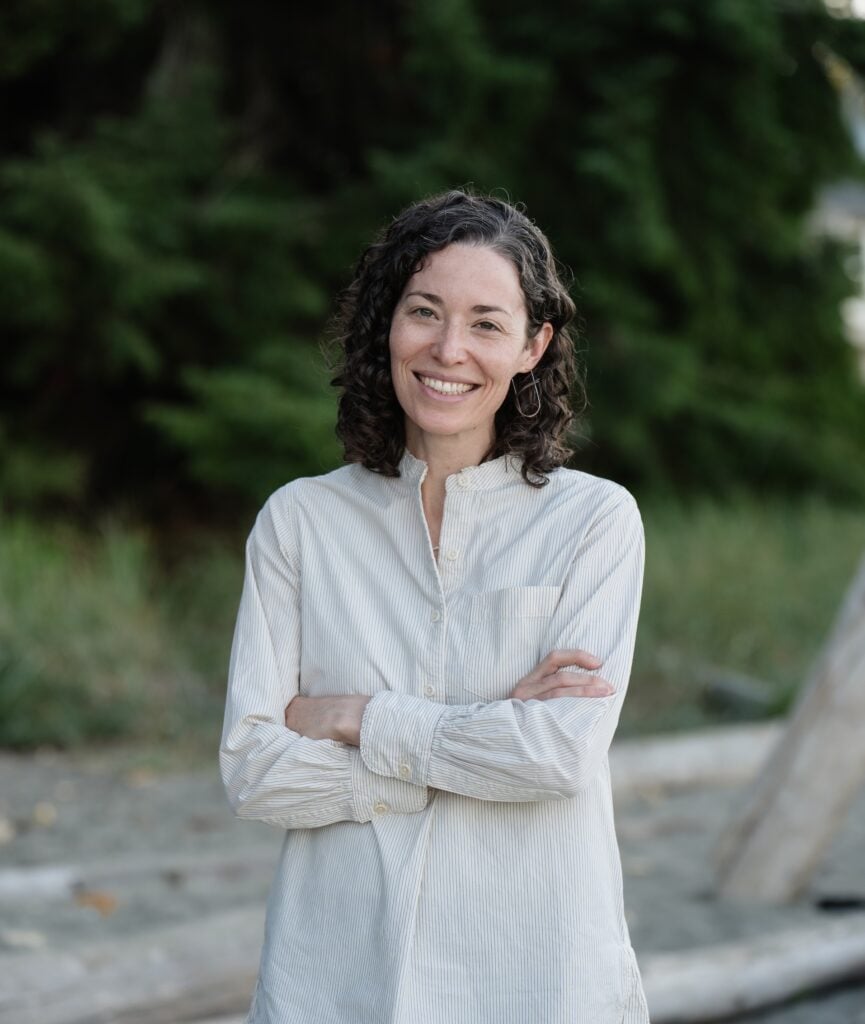
Dr. Helen Anne Curry is Melvin Kranzberg Professor of the History of Technology at the School of History and Sociology, Georgia Institute of Technology. From 2020–2026, she led the multi-researcher project, “From Collection to Cultivation: Historical Perspectives on Crop Diversity and Food Security” at the University of Cambridge with funding from the Wellcome Trust. Her research centers on the histories of seeds, crop science, and industrial agriculture. She is the author of Evolution Made to Order: Plant Breeding and Technological Innovation in Twentieth Century America (2016) and Endangered Maize: Industrial Agriculture and the Crisis of Extinction (2022).
Garrett Graddy-Lovelace
Ujamaa Cooperative Farming Alliance & American University School of International Service
Garrett Graddy-Lovelace
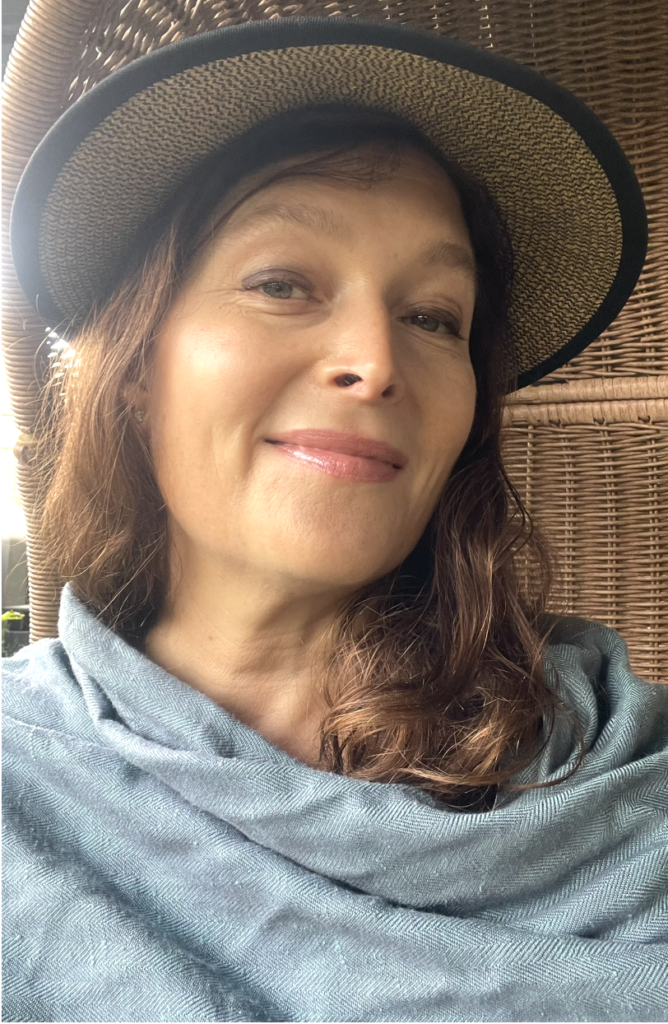
From agrarian Kentucky (unceded Shawnee lands), Garrett Graddy-Lovelace teaches and researches agricultural policy and agrarian geography as Provost Associate Professor at American University School of International Service in DC (unceded Piscataway lands). She co-founded the Ujamaa Cooperative Farming Alliance Policy Advisory Group, AU’s Race Climate & Agrarian Justice Lab, the Agroecology Research-Action Collective, AU’s Ethnographies of Empire Research Cluster, Curationist’s Metadata Learning & Unlearning, and the Disparity to Parity Farm Bill project. Garrett is a seed protector with the Palestine Heirloom Seed Library, has a forthcoming book, ‘The Power of Seeds & Agricultural Biodiversity Governance,’ authored the US chapter of the Participatory Research on Agroecology Global Initiative, and is a member of Local Contexts’ Cultural Seed Workers Affinity Group. Master of Theological Studies, Harvard Divinity School; PhD in Geography, University of Kentucky; proud mother of two daughters.
Colin Khoury
Crop Trust & New York Botanical Garden
Colin Khoury
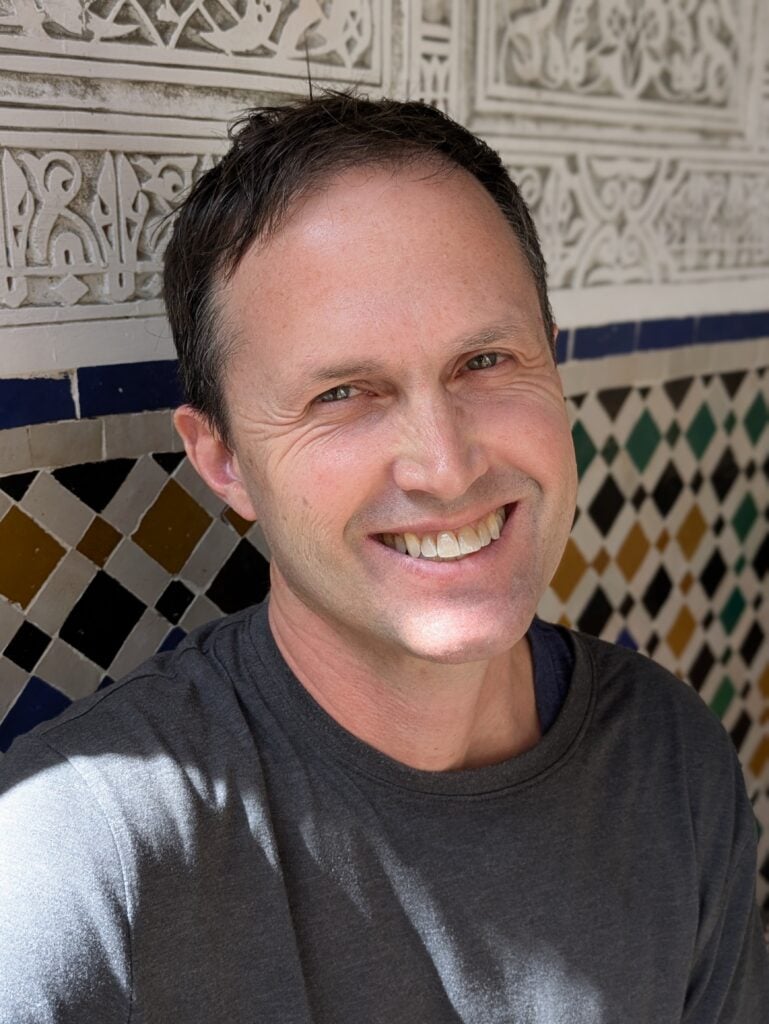
Colin Khoury is the Global Conservation Lead at the Crop Trust and a Project Manager at the New York Botanical Garden, where he coordinates the Global Conservation Consortium for Food Plants. He holds a PhD from Wageningen University, Netherlands, and a Master of Science from the University of Birmingham, UK. His primary areas of focus include food plant diversity, biocultural conservation, and plant genetic resources, including crops and their wild relatives.
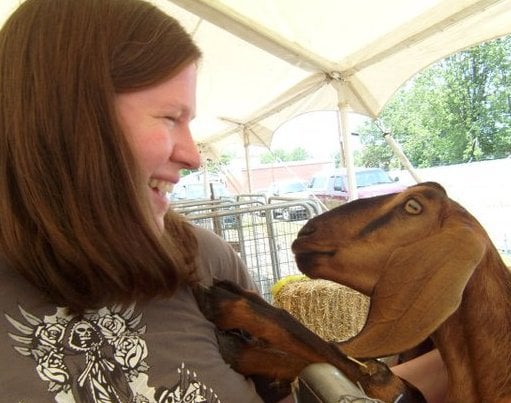
Angie Lavezzo
Painted Crow Farm & Appalachian Growers Seed Collective
Angie Lavezzo
Angie Lavezzo has been growing and saving seeds for almost three decades- developing and stewarding on my 14-acre farm with my partner and dog. Angie is a passionate reader, tinkerer, activist, and loves talking to folks about all kinds of seeds, plants, bugs, and birds.
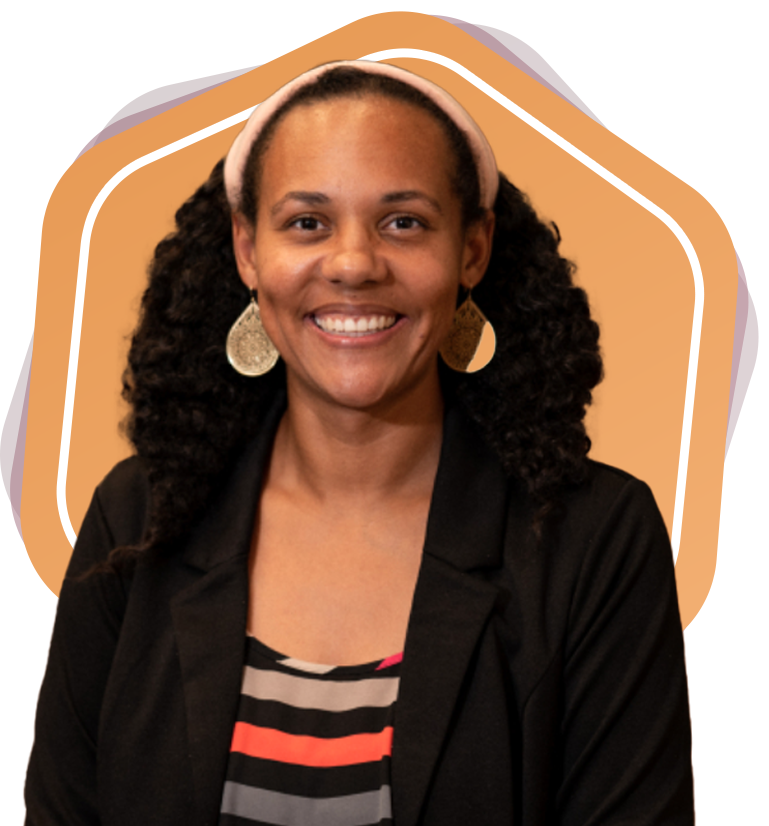
Seanna Leath
Washington University in St. Louis
Seanna Leath
Seanna Leath, Ph.D., is an Associate Professor of Psychological & Brain Sciences and affiliated faculty in Women, Gender, and Sexuality Studies at Washington University in St. Louis. She is a developmental psychologist (Ph.D. in Education and Psychology from the University of Michigan), Black feminist scholar, and director of the Fostering Healthy Identities and Resilience (FHIRe) Collaborative. Her research centers Black women and girls, examining how they cultivate identity, connection, joy, and resistance while navigating intersecting systems of racism, sexism, classism, and ableism. Her work draws on Black feminist epistemologies, critical storytelling, and community-engaged approaches to ask not only what we can learn alongside Black folx, but how we can produce knowledge with greater care, accountability, and imagination.
Chelsey Lenczyk
Organic Trade Association Seed Task Force
Chelsey Lenczyk
In 2016, Chelsey Lenczyk joined Bejo Seeds as the Home & Farm Market Manager and Organic Lead for the US and Canada. Today, her role consists of sales, product development, and advocacy. Additional time is spent as the National Garden Bureau President and co-Chair of the Organic Trade Association Organic Seed Task Force.
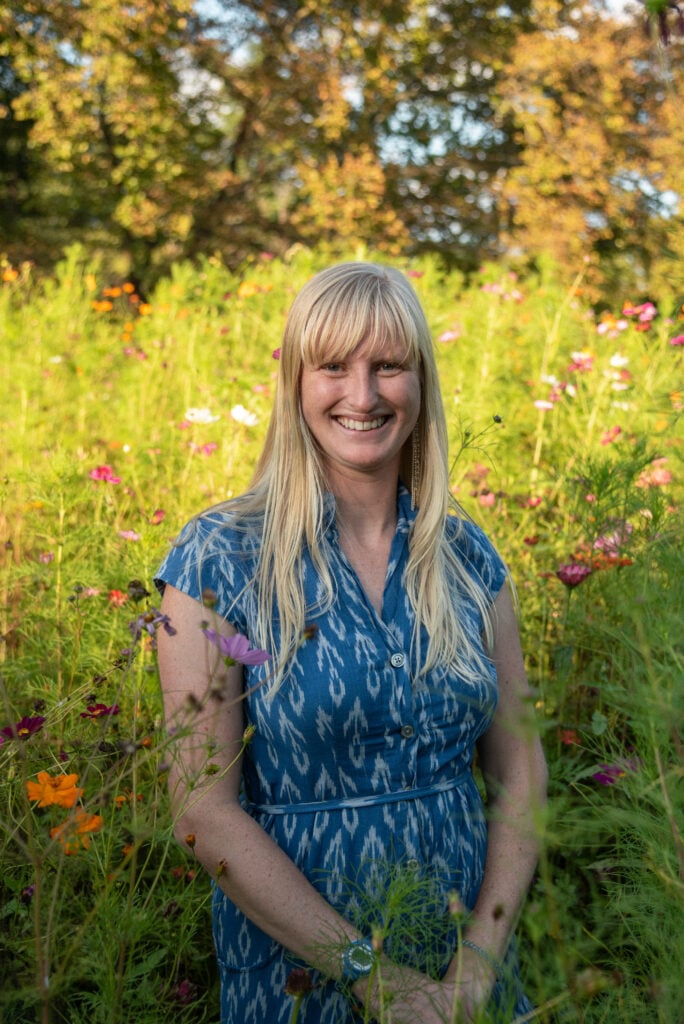
Brooke Lovingood
Sow True Seed
Brooke Lovingood
Brooke Lovingood serves as the Director of Agriculture at Sow True Seed in Asheville, North Carolina, a company dedicated to offering open-pollinated and heirloom seeds. In this role, she oversees seed purchasing and manages production contracts with local seed growers in Western North Carolina and nationwide. Brooke has been a part of Sow True Seed for 10 years and, in 2022, was part of transitioning the company to a worker cooperative and is currently a member-owner. She is dedicated to providing regionally adapted open-pollinated seeds and works with local seed growers such as the Appalachian Growers Seed Collective and Utopian Seed Project.
Malinda Lowery
New Ground Farm & Emory University
Malinda Lowery
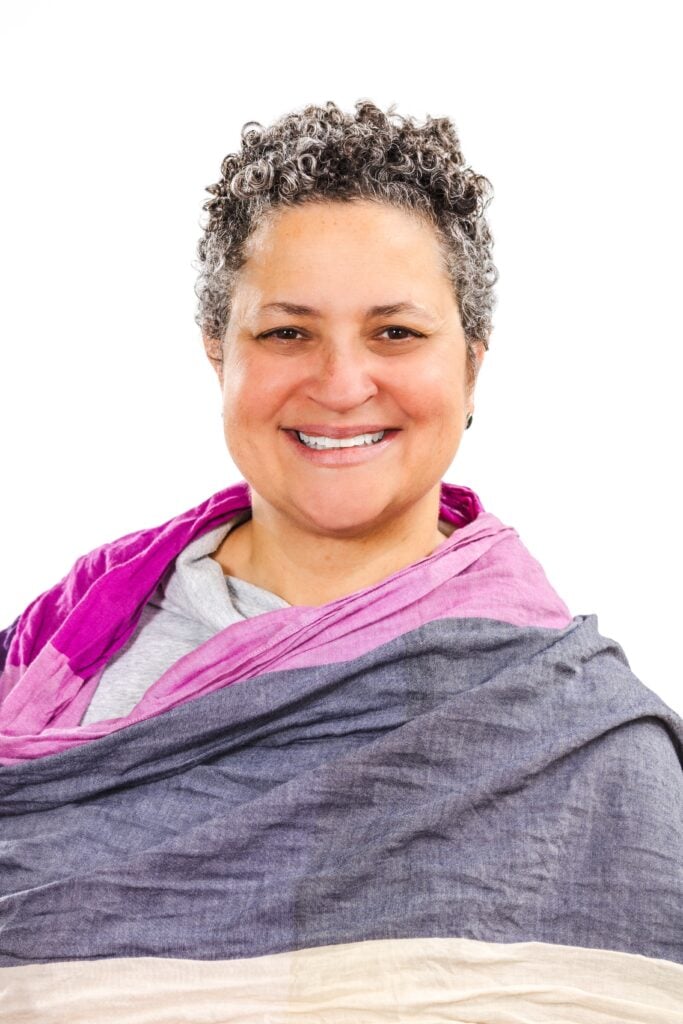
Malinda Maynor Lowery is a historian at Emory University and independent film producer who is a member of the Lumbee Tribe of North Carolina. She is partnering with New Ground Farm on researching ancestral seeds and reclaiming an Indigenous food system in the Carolinas.
Tess Lowinske Desmond
Princeton University
Tess Lowinske Desmond
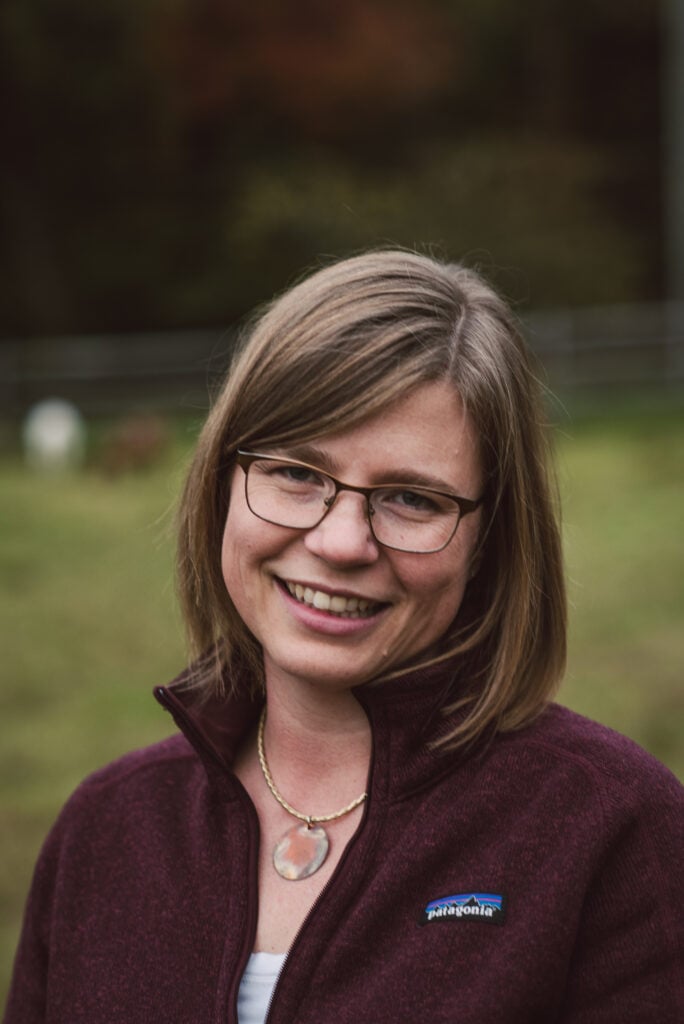
Tess Lowinske Desmond is a scholar and a farmer. She is a research specialist focusing on food and agriculture at Princeton University in the School of Public and International Affairs. Desmond’s work is interdisciplinary, using the tools of oral history as well as literary and narrative analysis to document the ways in which food and farming serve as carriers of culture and to understand the role that food plays in racial, ethnic, and social identity. Desmond directs The Seed Farm at Princeton, co-leads the Princeton Food Project, and serves as Co-Principal Investigator for the Heirloom Gardens Oral History Project. She is a founding member of the Ujamaa Cooperative Farming Alliance and serves on the board of Native Roots Farm Foundation.
Justice Madden
Kindred Seeds
Justice Madden
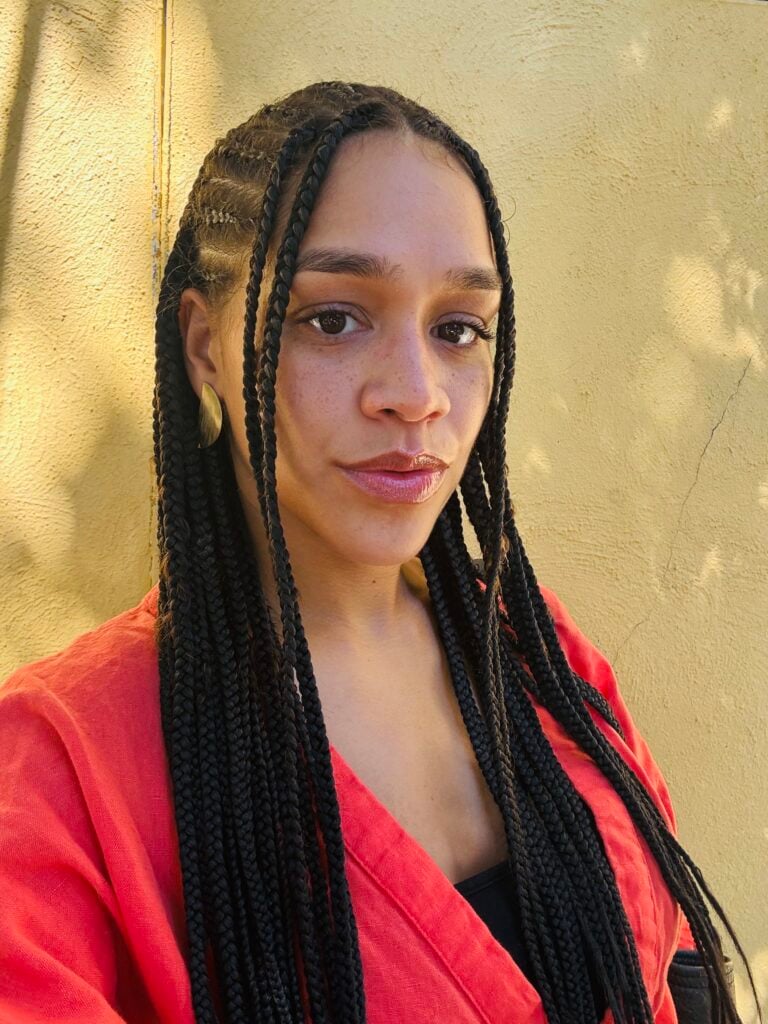
Justice Madden was raised in Virginia, where she developed a deep appreciation for the intersections of food, community, and tradition, which continue to shape her philosophy of action that prioritizes care and reciprocity. While living in Charlottesville, she was inspired by farm-to-table models and embarked on a path towards advancing equity in food justice and local food economies movements. She holds a Sociology and Media Studies degree from the University of Virginia and a Master’s in Agricultural Leadership and Community Education from Virginia Tech. For the past five years, Justice has worked across urban and rural landscapes throughout the Southeast as a nomadic gardener, collaborating with Black and Indigenous farmers, seedkeepers, and cultural leaders.
Shelby Mandonado
Water’s Edge Farmstead & Appalachian Grower’s Seed Collective
Shelby Mandonado
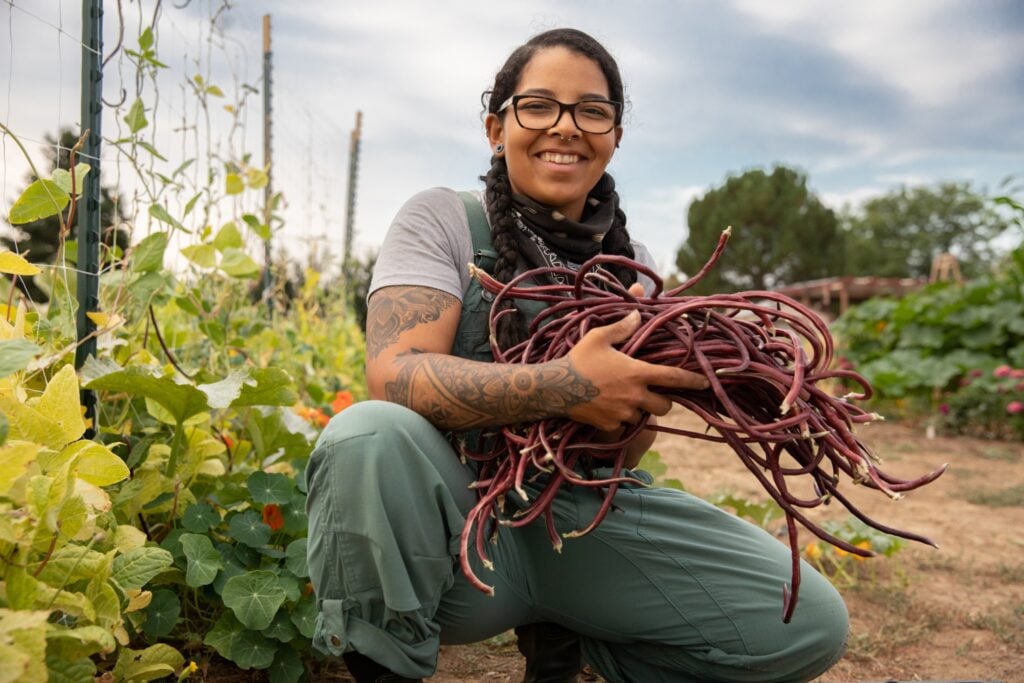
Shelby Mandonado is a farmer, organizer, and mother with a passion for collaborative community building based around our shared love of the land. Shelby is the steward of Water’s Edge Farmstead, a farmstead focused on the commercial production of Southern seed crops located in Candler, NC. Shelby is a founding member of the Appalachian Growers Seed Collective. Shelby is currently serving as the Associate Director of Membership and Programs for the Southeastern African American Farmer’s Network, where she works to support the visibility of Black farmers across the Southeast and Caribbean. Shelby is a heart-driven animist and land steward, working to honor the webs that hold all of us – whether we be human, fungi, plant, insect, animal, or otherwise – together. Believing that the only future we can guarantee is the one we mutually create, Shelby is dedicated to supporting the viability of agrarian lifeways through her life’s work.
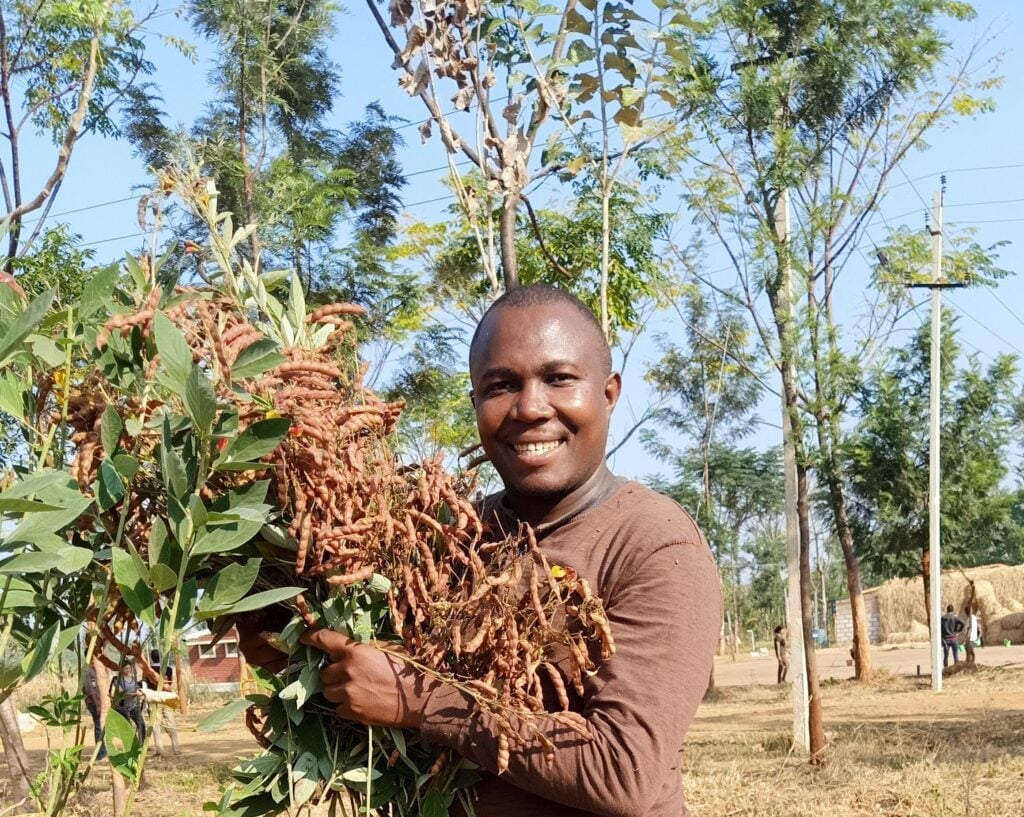
John Kariuki Mwangi
Slow Food Kenya
John Kariuki Mwangi
John Kariuki Mwangi is the Coordinator of Slow Food Kenya. He has extensive experience representing Youth and Africa at Slow Food International and coordinating development projects in sustainable agriculture, education, and the socio-cultural sector. John is passionate about preserving food biodiversity, promoting agroecology, and safeguarding the cultural identities and food heritage of communities. He recognizes the central role of food in shaping cultures and the vital contribution of small-scale farmers to global food security. He believes that transforming food systems requires collaboration with farmers at the centre of decision-making, as they hold essential knowledge and practical solutions to the challenges facing agriculture. John champions farmer-led initiatives, sustainable livelihoods, and resilient food systems. He also emphasizes organic seed production and preservation as fundamental to food sovereignty, agricultural biodiversity, and climate resilience, ensuring future generations benefit from healthy, sustainable, and culturally appropriate food systems.
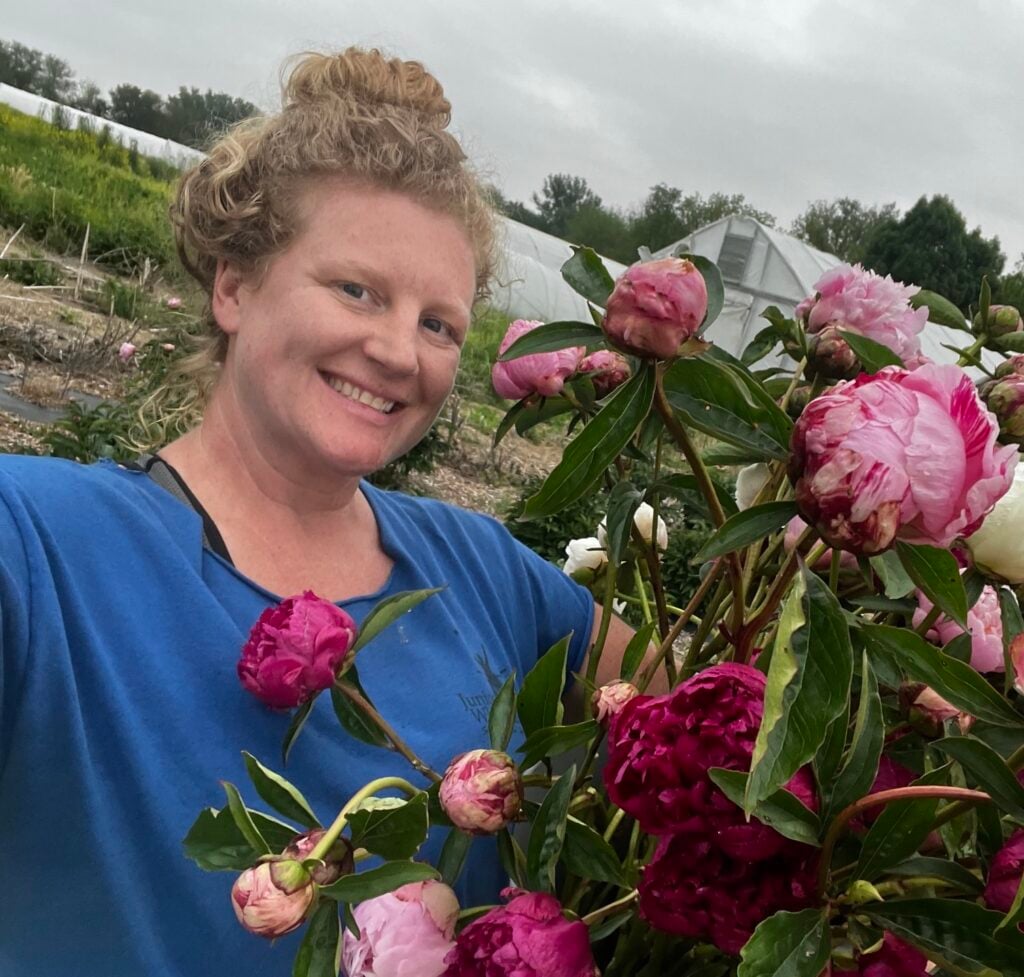
Kristen Peterson
Long Walk Farm
Kristen Peterson
Kristen Peterson is a producer, grower, and cultivator. She has been involved in local food and flower production for over 20 years, creating sustainable systems and habitats that spark joy and promote conservation for all things. She loves collaborating to tackle the challenges of working to restore biodiversity back into the land while providing nourishment and beauty to her community. Through her work, she loves teaching others to garden for the future and make our actions more sustainable.
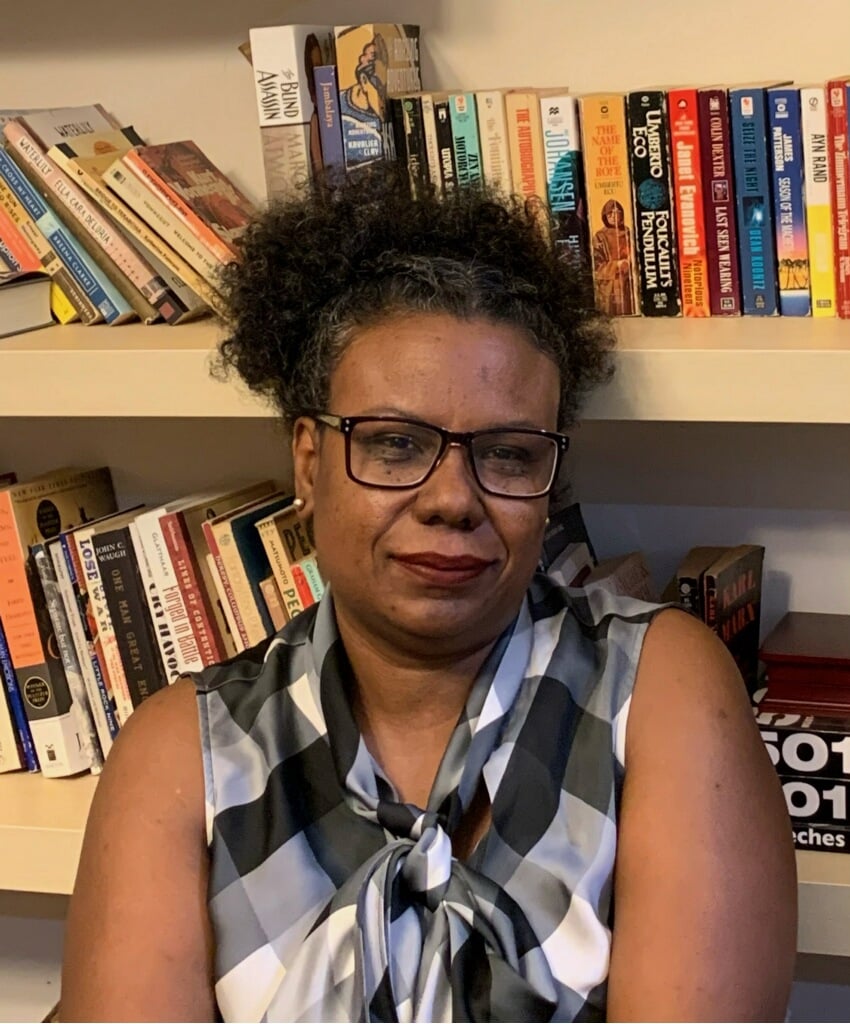
Chanda Robinson Banks
Local Seeds Coalition
Chanda Robinson Banks
Chanda Robinson Banks facilitates outreach, engagement, and cultural conversations with Local Seeds Coalition. As an Afro-Indigenous (Piscataway Conoy) researcher and policy advocate, she brings a legal lens to her work that explores who controls land, seeds, food, and cultural knowledge and who can access them. She connects anti-gentrification with food sovereignty, seed and food access, and bioregional and cultural relationships that sustain community-centered foods. She serves on the administrative council of Northeast SARE and is a founding member and former co-director of Ujamaa Cooperative Farming Alliance, where she continues to focus on policies affecting culturally meaningful seeds and food. Her commitment to biodiverse seed and food systems supports diverse crop cultivation, strengthens local ecosystems, and builds resilience to pests and diseases. She also examines how intellectual property laws can impact under-resourced farmers, working to address these barriers and advance fair access to seeds, land, and resources.
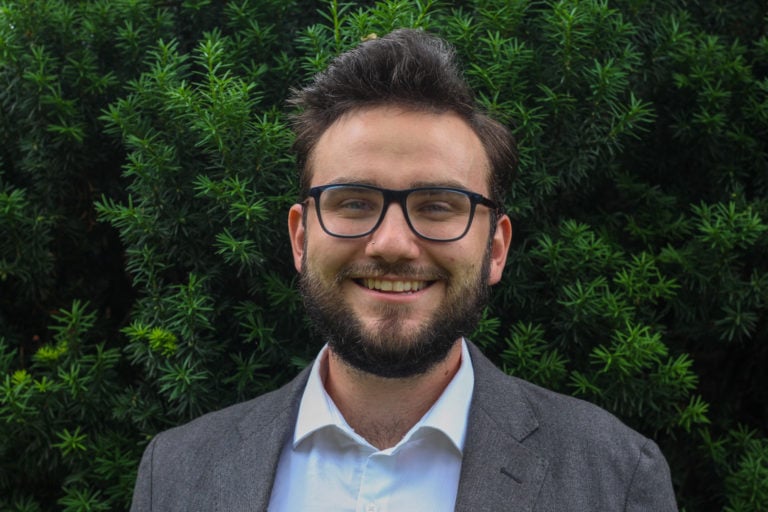
Nick Rossi
National Sustainable Agriculture Coalition
Nick Rossi
Nick Rossi is a Policy Specialist with the National Sustainable Agriculture Coalition. His experience spans from working on prairie restoration and food insecurity in Iowa to traversing the Rocky Mountains as a Wilderness Ranger with the Forest Service in Colorado. Before joining NSAC, Nick worked on a small organic vegetable farm in central Ohio, growing food and advocating for sustainable local food systems.
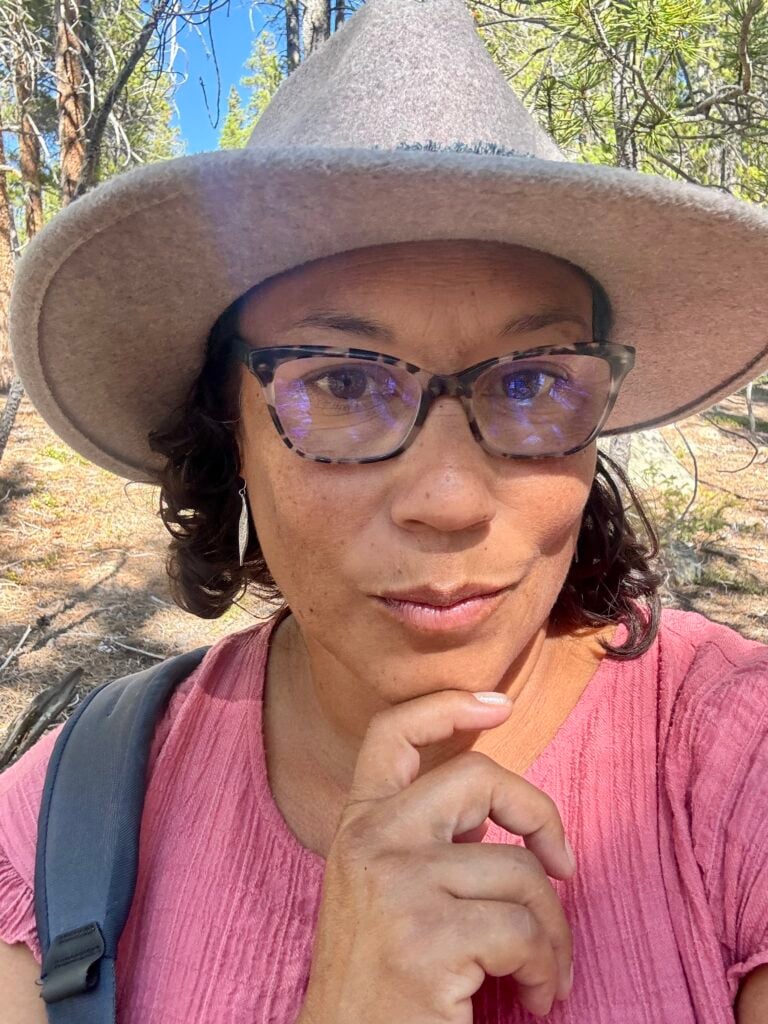
Kia Ruiz
Bodhi Bridge
Kia Ruiz
Kia Ruiz is the Director of The Local Seeds Coalition. This is a project helping people remember the role of seeds in our food system. Our work emphasizes climate resiliency, local economic development, and how people can work together through narratives and lineages connected with seeds. Kia is a mom to two kids in the Denver area, working on behalf of them and the seven generations as her motivation. She is a small farmer, herbalist, and leader serving on the Boards of a Waldorf public charter school, IFOAM North America, and The NonGMO Project. Kia was educated at Humboldt State with a BS in Wildlife Management and got to candidacy in a PhD program in Biology at FIU with a Tropical Ecology emphasis before life and a car accident had other plans. She uses her knowledge in pedagogy, interpretation, statistics, and organizational leadership in LSC.
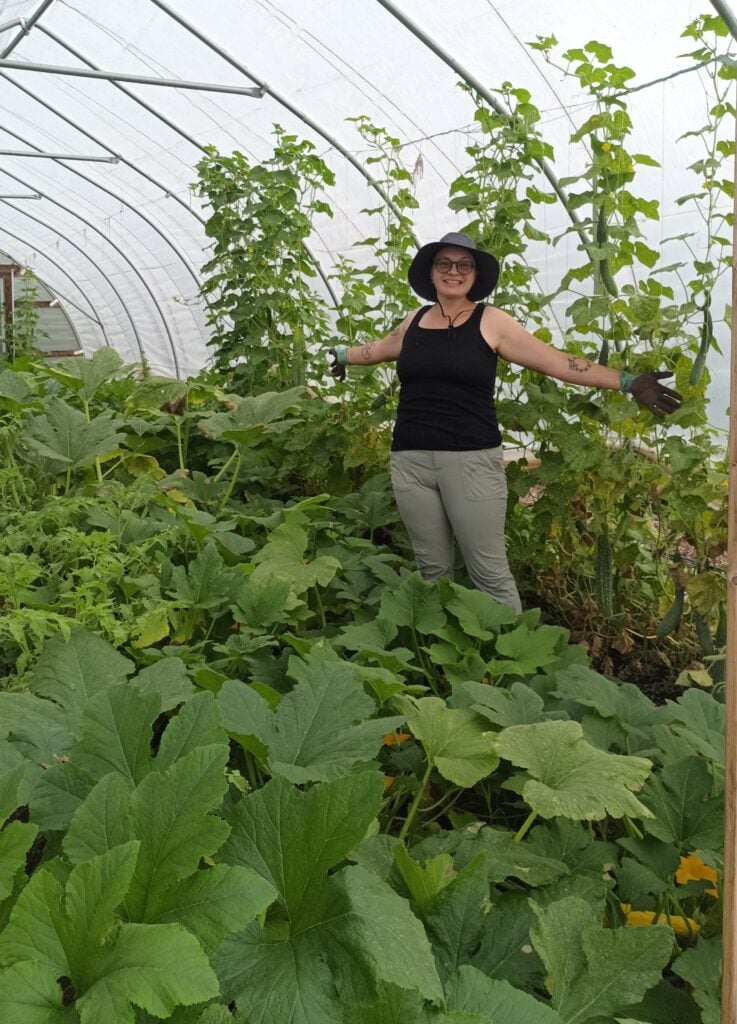
Tiffany Schultz
Spiderweb Acre & Appalachian Growers Seed Collective
Tiffany Schultz
Tiffany Schultz has a passion for cultivating community through education & camaraderie via hyper-local, nutritious, organically grown food. She tends a 1-acre permaculture homestead in Leicester, NC, specializing in regionally adapted seeds, herbal folk medicine, live plants, fresh produce, and value-added products. She is a member of the Appalachian Growers Seed Collective, oversees the Leicester Library Giving Garden, and works with the Leicester Food Coalition to skill-up & nourish our local community.
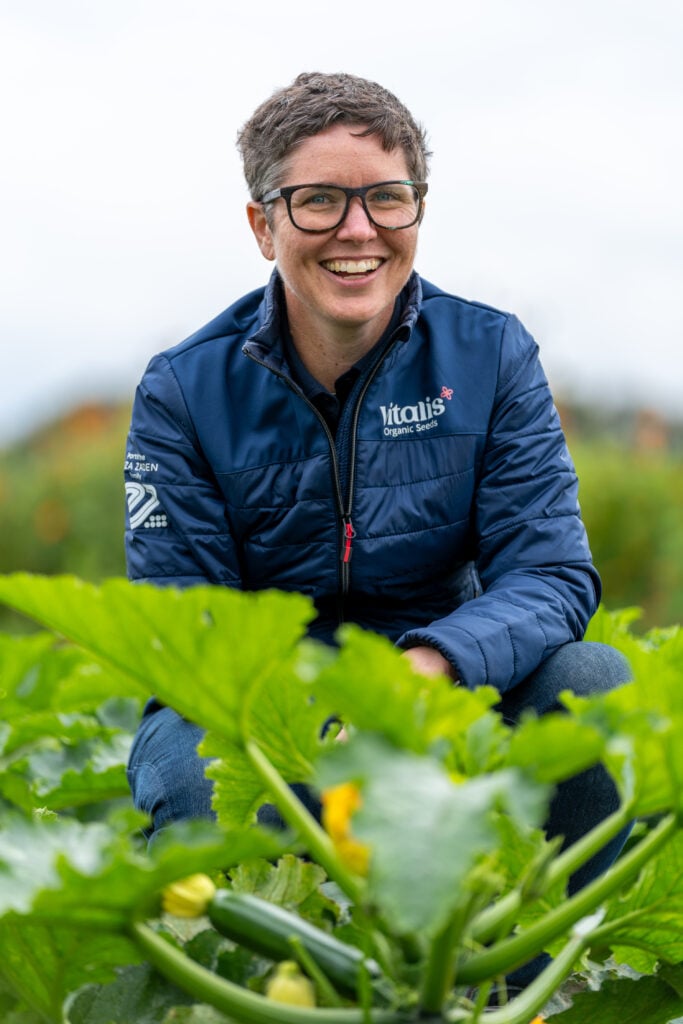
Adrienne Shelton
Organic Trade Association Seed Task Force
Adrienne Shelton
Adrienne Shelton is the R&D Manager for Organics at Enza Zaden & Vitalis Organic Seeds. She earned her master’s and doctorate degrees at the University of Wisconsin-Madison, with a focus on participatory plant breeding. Adrienne has worked in organic agriculture for over two decades and is passionate about helping growers find the best varieties for their production systems.
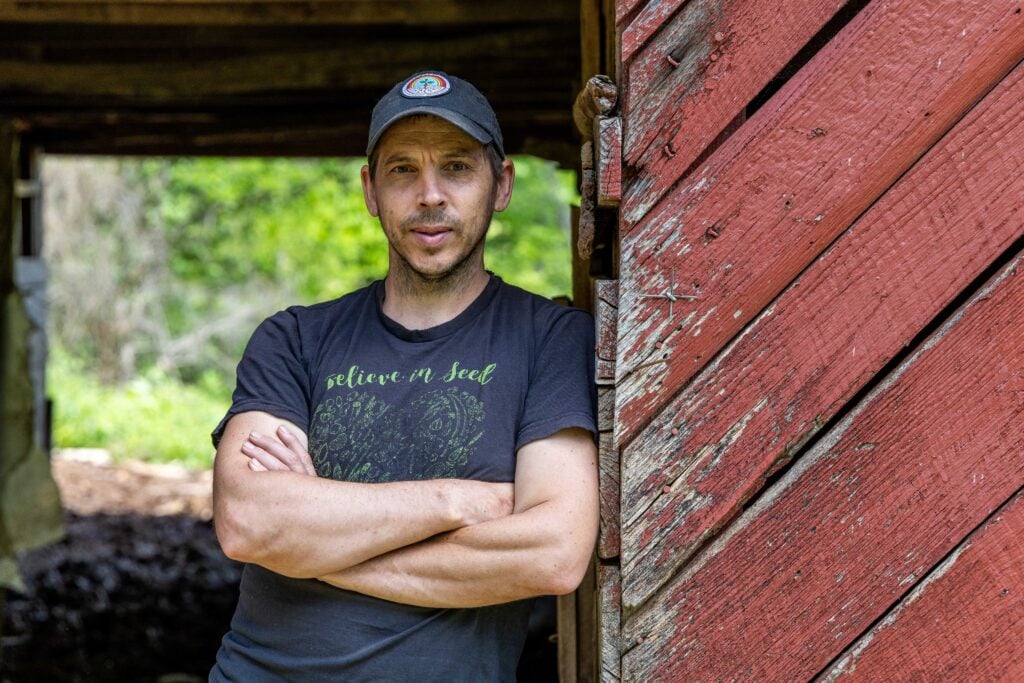
Chris Smith
Utopian Seed Project
Chris Smith
Chris Smith founded Utopian Seed Project, a seed-focused nonprofit working on regional agrobiodiversity and climate resilience. His book, The Whole Okra, won a James Beard Award in 2020. In recent years, he received the Organic Educator Award from Organic Growers School, was named a Champion of Conservation by Garden & Gun, and joined Southern SARE’s AG Leadership Program. Chris was a 2025 Grow Appalachia Appalachian Foodways Practitioner Fellow, which recognized and supported his work with seeds. His second book, Saved by Seeds: Embracing Diversity, Adaptation, and Resilience, was published by Chelsea Green in 2026.
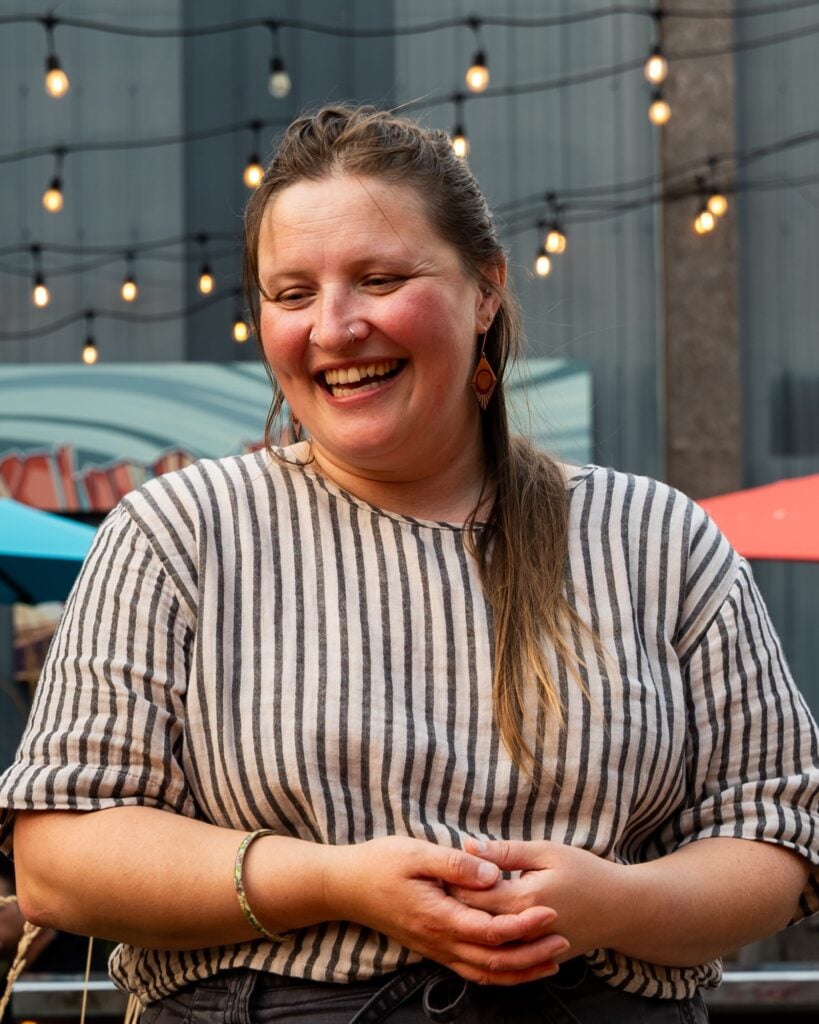
Bre Snodgrass
Open Pollinated Data Systems
Bre Snodgrass
Bre Snodgrass has worked her way through several areas of the food system, from professional cooking to vegetable farming, all the way down to seeds. Her favorite ways to connect with people are through plants—whether it be by way of the food on their plates, or the flowers in their vases. She’s endlessly fascinated by all the systems that bring goods and people together, and is passionate about finding ways to improve those systems to further strengthen the communities that they serve.
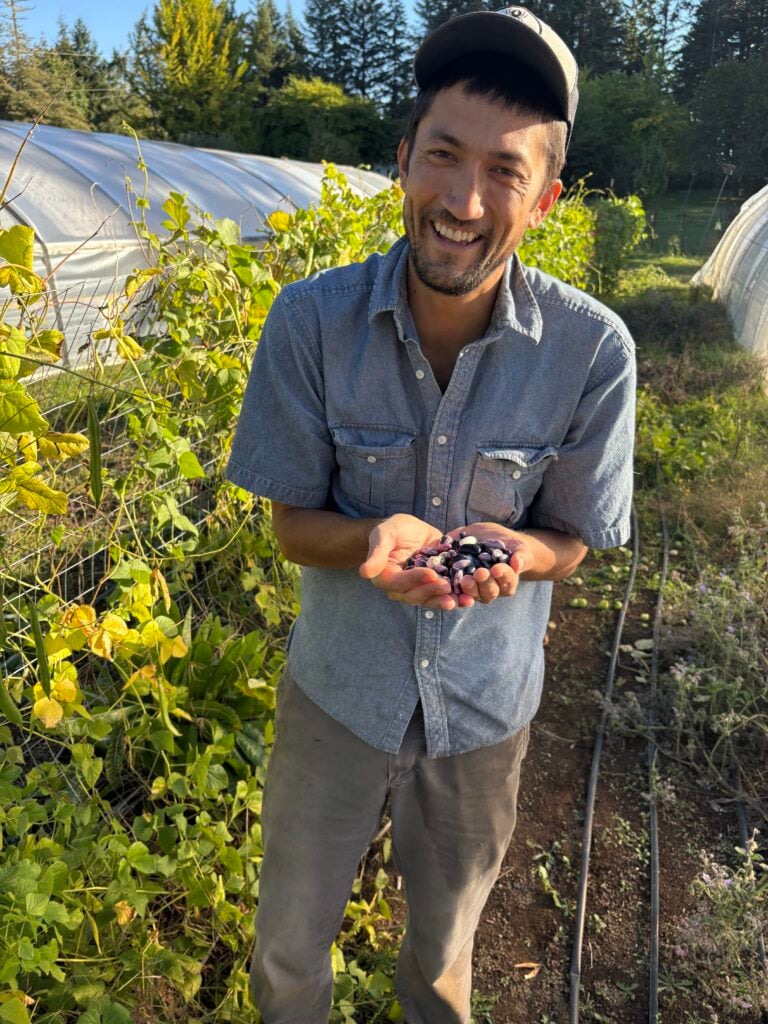
Spencer Suffling
Tanager Farm & By Hand Seeds
Spencer Suffling
Spencer Suffling is a farmer, organizer, and educator in Portland, OR. Spencer is the co-founder of Tanager Farm, a 1-acre market vegetable farm, and By Hand Seeds, a local seed growers collective. Spencer also works with Going to Seed as a volunteer advisor and webinar host. Spencer’s main priority is to help develop a participatory and resilient local food and seed ecosystem in the Portland metro area and beyond. To Spencer, this means developing relationships, building collective seed-keeping skills, promoting better resourcing and compensation for growers, and increasing value around seeds through storytelling. Spencer is particularly interested in corn, beans, squash, melons, potatoes, barley, Asian vegetables, low-input systems, and supporting other growers to find their own pathway in seed keeping.
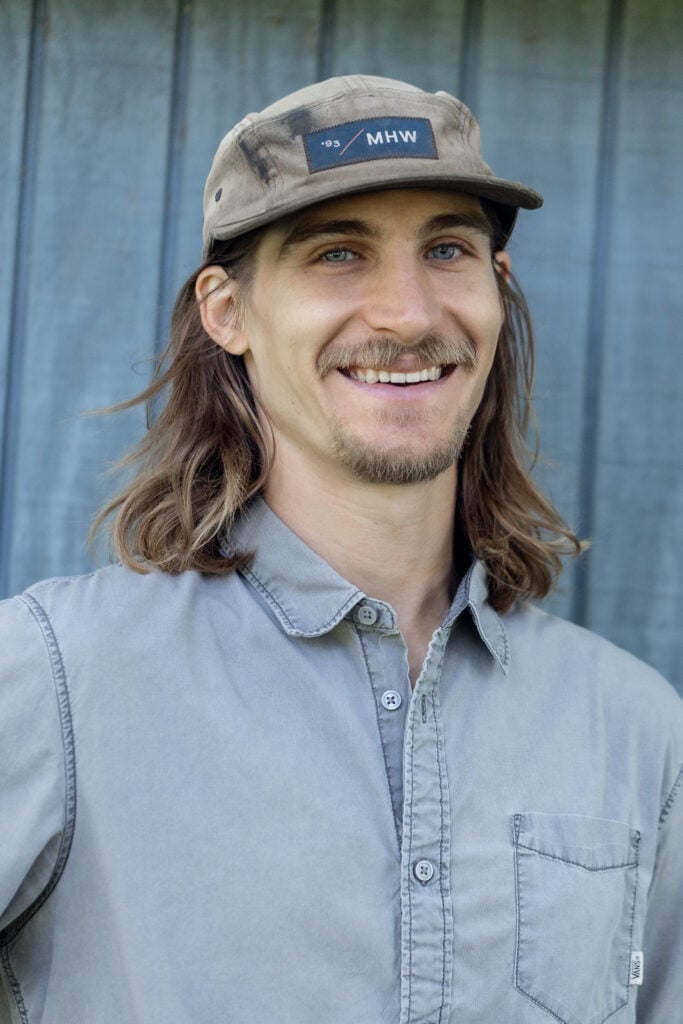
Ty Van Duser
Row 7 Seed Co
Ty Van Duser
Ty Van Duser has worked in agriculture for seven years, beginning in vegetable production before finding his way into the world of seeds at Row 7 Seed Co. Over the past five years, his work has spanned trial farm operations and developing Row 7’s seed quality program from the ground up. More recently, he has taken on a role helping manage domestic and international seed production. He focuses on building the systems and processes needed to maintain high-quality organic seed while supporting the growers who make it possible. He enjoys working through the technical details and practical challenges of organic seed production to develop processes that support consistent seed quality. Outside of work, Ty enjoys spending time outdoors exploring and taking on garden plant breeding projects that have a habit of getting out of hand
Daniel Wanjama
Seed Savers Network, Kenya
Daniel Wanjama
Daniel Wanjama is the Director of Seed Savers Network Association (SSN), an organization dedicated to conserving agrobiodiversity and strengthening farmer-led seed systems for food and nutritional security. SSN has supported the establishment of over 125 community seed banks and reached more than 300,000 farmers through training in seed conservation, agroecology, and resilient farming practices. Daniel has also been involved in advocacy surrounding the case of 15 farmers concerning seed laws in Kenya, highlighting the importance of protecting farmers’ rights to conserve and share indigenous seeds. Daniel is passionate about gastronomic decolonization through the recognition of Africa’s indigenous foods, traditional culinary knowledge, and agricultural heritage. Daniel advocates for food systems that value African farmers’ knowledge, protect seed diversity, and restore communities’ control over what they grow, preserve, and eat. Daniel’s work seeks to advance seed sovereignty, cultural identity, and resilient food systems across Africa.
Jennifer Williams
Wild Dreams Farm
Jennifer Williams
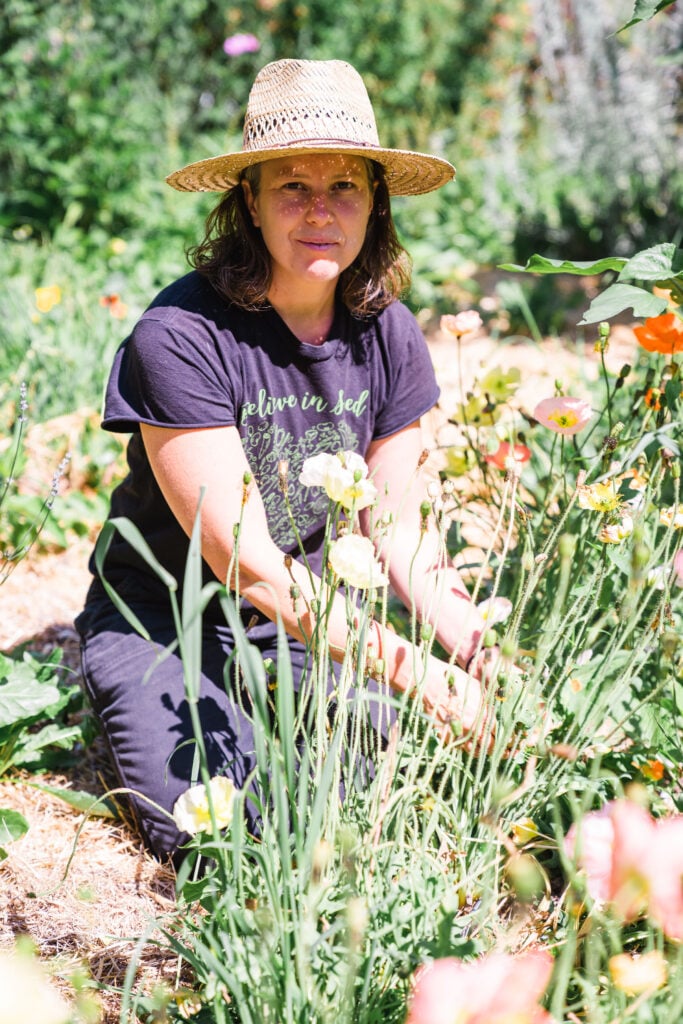
Jennifer (Jen) Williams is the steward of Wild Dreams Farm and Seed on Vashon Island, WA. Jen has been farming food, herbs, and flowers for over twenty-five years. She started the farm-based seed company, Wild Dreams Farm and Seed, in 2019. Along with growing over 150 different varieties of vegetables, herbs, and flowers for seed, Jen is dedicated to growing community and connection through seed. Both locally and nationally, Jen loves collaborating with people and groups who honor the diversity and resilience of seeds, plants, and the cultures who care for them.
Jesse Wimer
Open Pollinated Data Systems
Jesse Wimer
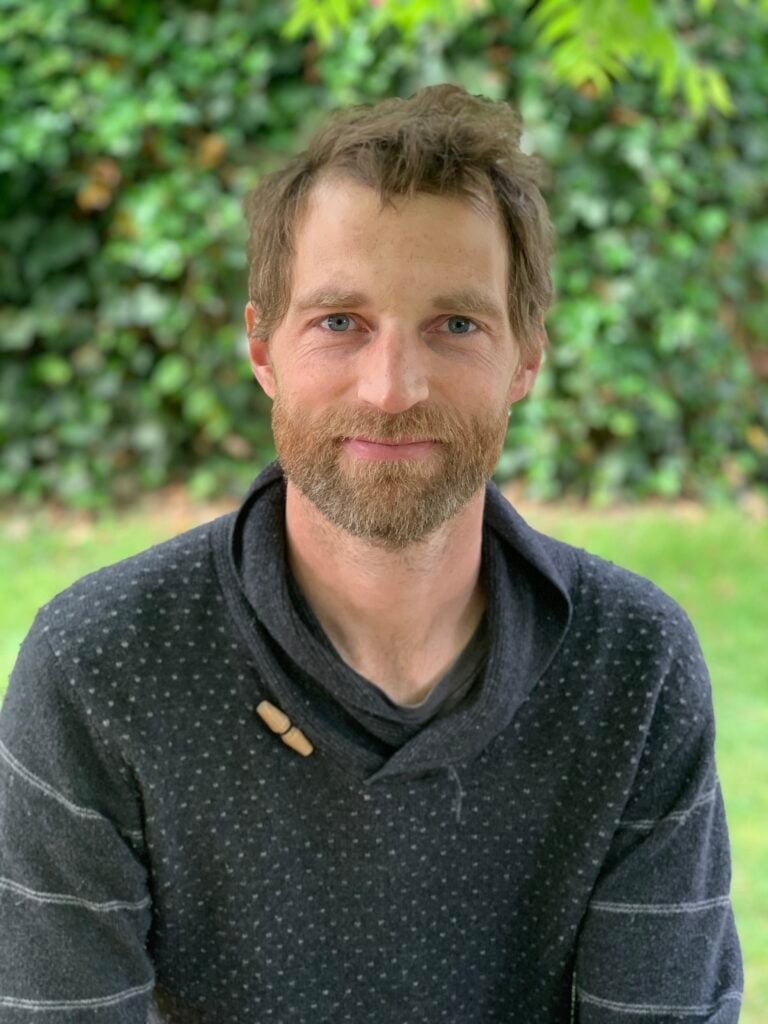
Jesse Wimer is a seed farmer, software developer, and database manager at Uprising Seeds, an organic seed company in Bellingham, Washington. He also co-founded Open Pollinated Data Systems, where he develops software and data solutions for the seed industry. With an MS in Horticulture from Washington State University and more than 15 years of experience in sustainable agriculture, he brings a rare agronomic perspective to his technical work. When not dreaming up the next software feature, he enjoys baking, reading, and spending time with family.
Alexis Yamashita
University of Vermont
Alexis Yamashita
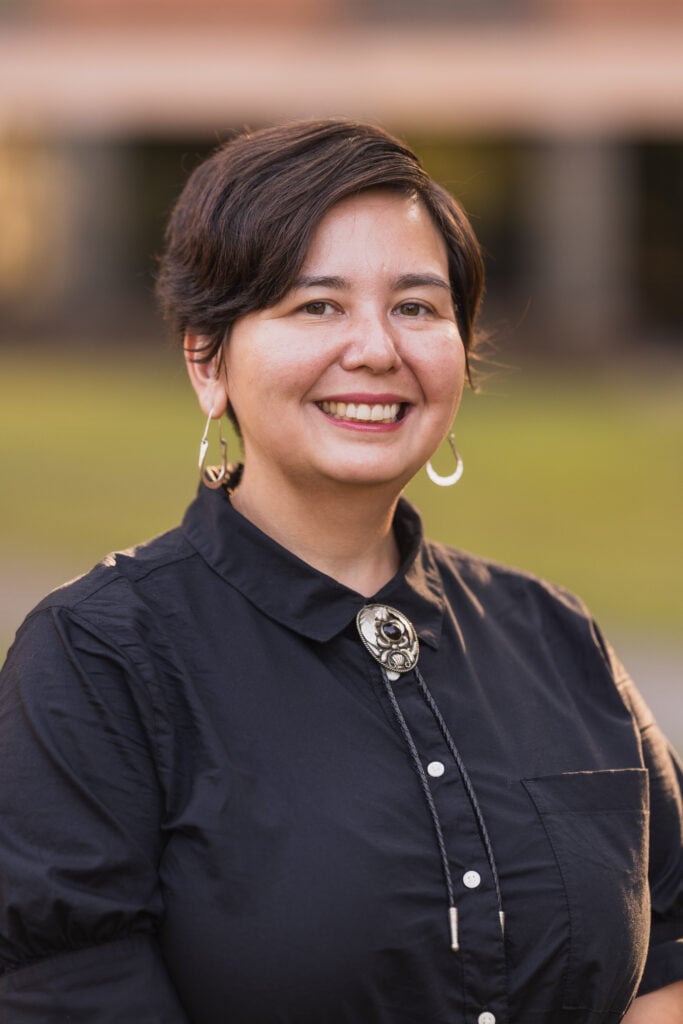
Alexis Yamashita is a seed grower, seed sovereignty advocate, community organizer, and Food Systems Ph.D. student at the University of Vermont (UVM). Her work strengthens community-led seed systems, enhances biodiversity, and expands local seed access, with a focus on regional adaptation of culturally meaningful seeds. A founding member of the Ujamaa Cooperative Farming Alliance, she also co-managed the seed rack operations at Southern Exposure Seed Exchange with mentor Ira Wallace. Her current research work at UVM is focused on the regional adaptation of culturally meaningful seed varieties through community-based, participatory plant breeding initiatives. Alexis is a board member of the Northeast Organic Farming Association of Vermont and involved in state-level seed policy advocacy efforts in Vermont.
Virtual Conference Speakers
Mercy Ambani
Seed Savers Network, Kenya
Zemede Asfaw
Addis Ababa University
Zemede Asfaw
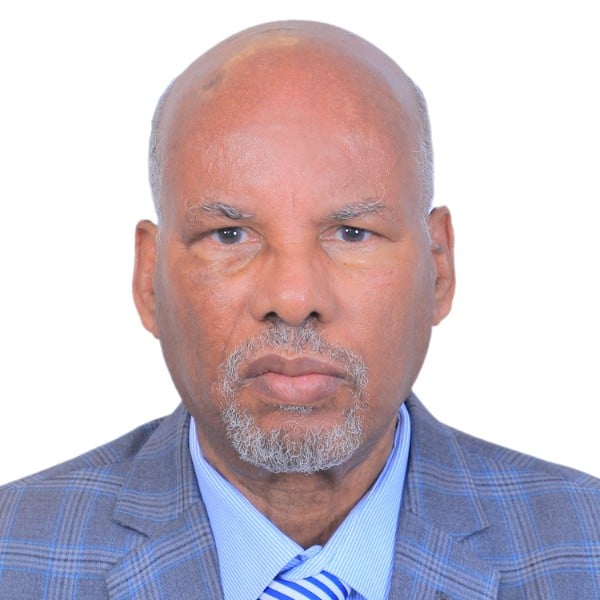
With over four decades of academic dedication to plant systematics and ethnobotany at Addis Ababa University, Professor Zemede Asfaw’s research focuses on indigenous and local plant knowledge, food security, and agroecological resilience in Ethiopia. Professor Zemede participated in studies across highland grain systems and southwestern homegardens that highlight rich diversity of crops, local farmers’ varieties, and native food cultures. Specifically, Professor Zemede’s research on traditional grain mixtures in South Wollo offers key insights into climate resilience, evolutionary adaptability, and nutritional values. As local knowledge and agrobiodiversity continue to erode within this critical Vavilovian center of crop origin and/or diversity, Professor Zemede’s panel presentation, “Traditional Grain Mixtures: Resilience through Diversity,” is set to reflect on smallholder farmer perspectives in managing these systems. Documenting, maintaining, and enhancing this heritage are essential to secure organic seed systems and foods, safeguard crop genetic diversity, and further build resilient livelihoods for humanity’s future.
Shahab Bashar
Community Crops
Shalini Bhutani
Independent Law and Policy Analyst
Shalini Bhutani
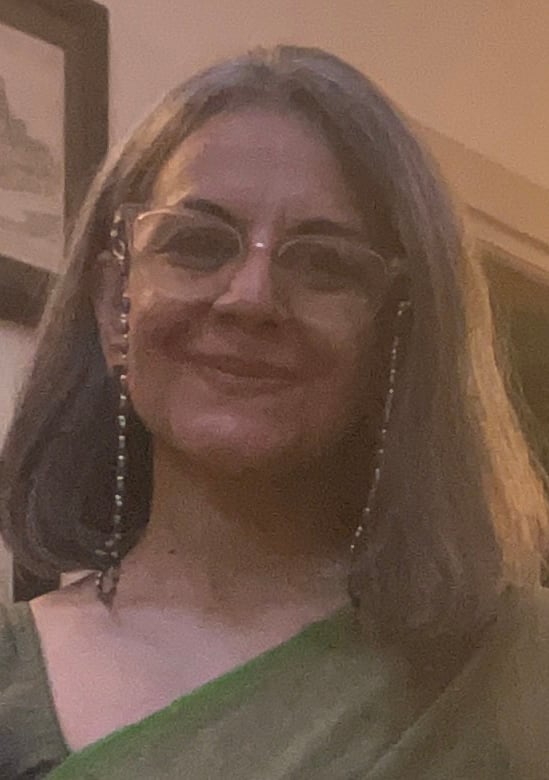
Shalini Bhutani (she/her) is a law researcher, policy analyst, and development professional based in New Delhi, India, working in the Asia region. Her focus areas are agriculture, biodiversity, and local governance. Ever since the World Trade Organization (1995), she has been tracking trade treaties and intellectual property rules for their implications on seed and food sovereignty. She is on the Steering Committee of the Global Coalition of Open Source Seed Initiatives (GOSSI). She has been the coordinator of the pan-India Forum for Trade Justice. She is also a guest faculty member at several universities and law schools. Her work experience spans three decades in several national and international NGOs (such as Navdanya and GRAIN), as well as the United Nations (UN) Food and Agriculture Organization (FAO).
Margaret Bloomquist
NC State University
Dan Brisebois
Seed Farmer Podcast
Cait Caughey
Center for Rural Affairs
David Gould
IFOAM Seeds Platform
David Gould
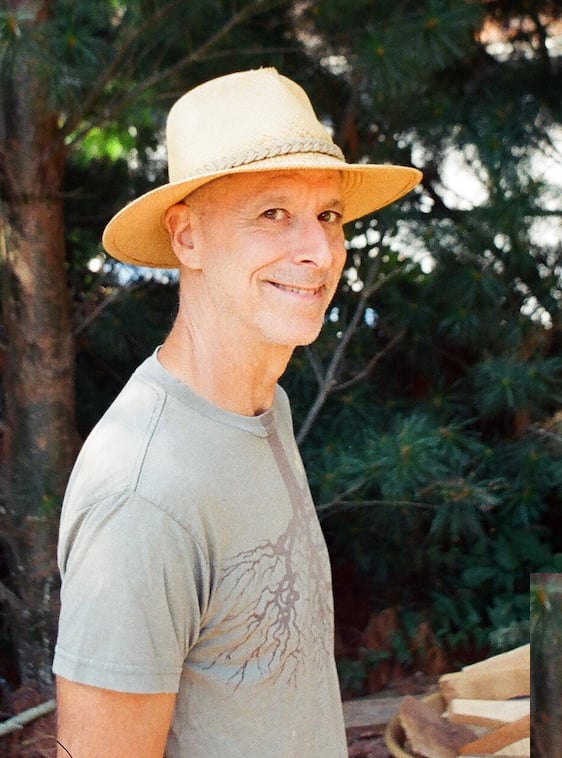
David Gould is the General Secretary of the IFOAM Seeds Platform. He also currently leads Standards for the Local Seeds Coalition, and serves on its Governance Working Group. For over 30 years, David has played an influential role in the development of standards, practices, policy, and assurance systems that strive for social and environmental justice. He has worked with thousands of farms and companies in over 50 countries on 6 continents and has been instrumental in worldwide efforts to control genetic engineering and advocate for farmers’ rights. He holds a degree in Life Sciences from the Massachusetts Institute of Technology, where he focused on food science, biochemistry, microbiology, and genetics. David lives in Portland, Oregon, USA, where he saves seeds in his garden and embodies a slow-food approach to the table. He has a deep spiritual orientation and is a practicing astrologer for individuals, couples, and organizations.
Mary Hathaway
Organic Farming Research Foundation
Mary Hathaway
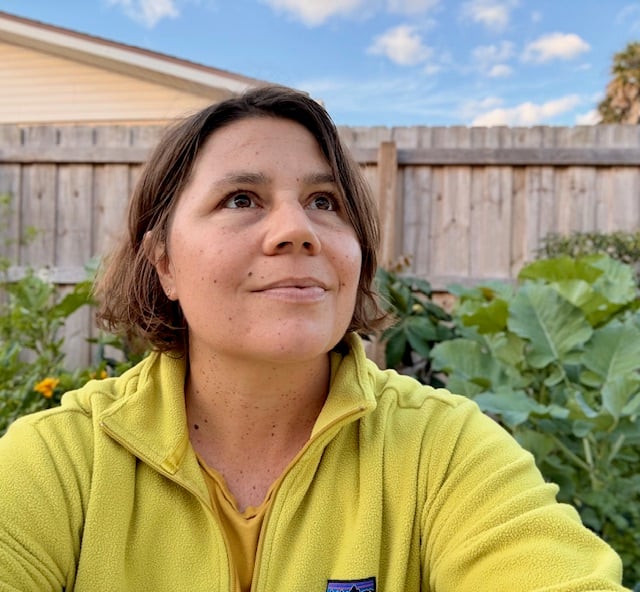
Mary Hathaway is the Research and Education Program Manager at Organic Farming Research Foundation (OFRF), bringing over two decades of experience as a food justice advocate, small-scale vegetable farmer, and practitioner in the sustainable and equitable food movement across the Southeast. She specializes in strengthening farm systems and is deeply committed to creating opportunities for organic farmers to serve as cornerstones of thriving communities. Mary holds a Master’s degree in Agroecology, grounding her work with a systems-thinking approach that recognizes the deep interconnections between ecology, agriculture, and social equity. When she’s not working toward a more just and regenerative food future, Mary can be found playing in the ocean, getting a little lost in the woods, talking at great length about composting, or building Lego creatures with her son.
Christina Henatsch
Demeter Gut Wulfsdorf
Christina Henatsch
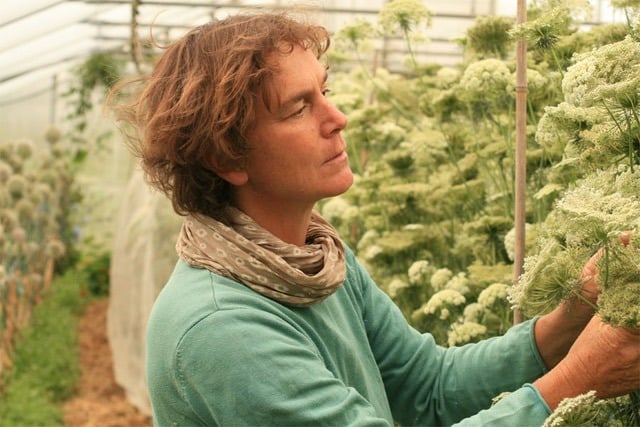
Born in 1964, Christina Henatsch trained in biodynamic farming and gardening in northern Germany and the Netherlands (Warmonderhof), then studied agriculture in Bonn, Germany. She worked in gardens on various biodynamic farms in Germany, the Netherlands, and Sweden. For the past 30 years, she has been a vegetable breeder and breeding researcher with Kultursaat e.V., which supplies basic seed to Bingenheimer Saatgut AG. For the past 25 years, she has also carried out breeding and research at Demeter Gut Wulfsdorf in Hamburg/Ahrensburg. Her main crops are carrots, broccoli, cabbage, Swiss chard, leek, radicchio, courgette, and tomatoes. Alongside good yield and plant health, her breeding goals focus on taste and nutritional quality. Her research aims to develop new breeding methods that grow out of the living and spiritual environment of the plant, such as the influence of planets and zodiac signs, and seed treatment through tones, eurythmy, and meditation. From this work, she hopes to develop new cultivated plants from wild species such as dandelion, quickroot, and other grasses.
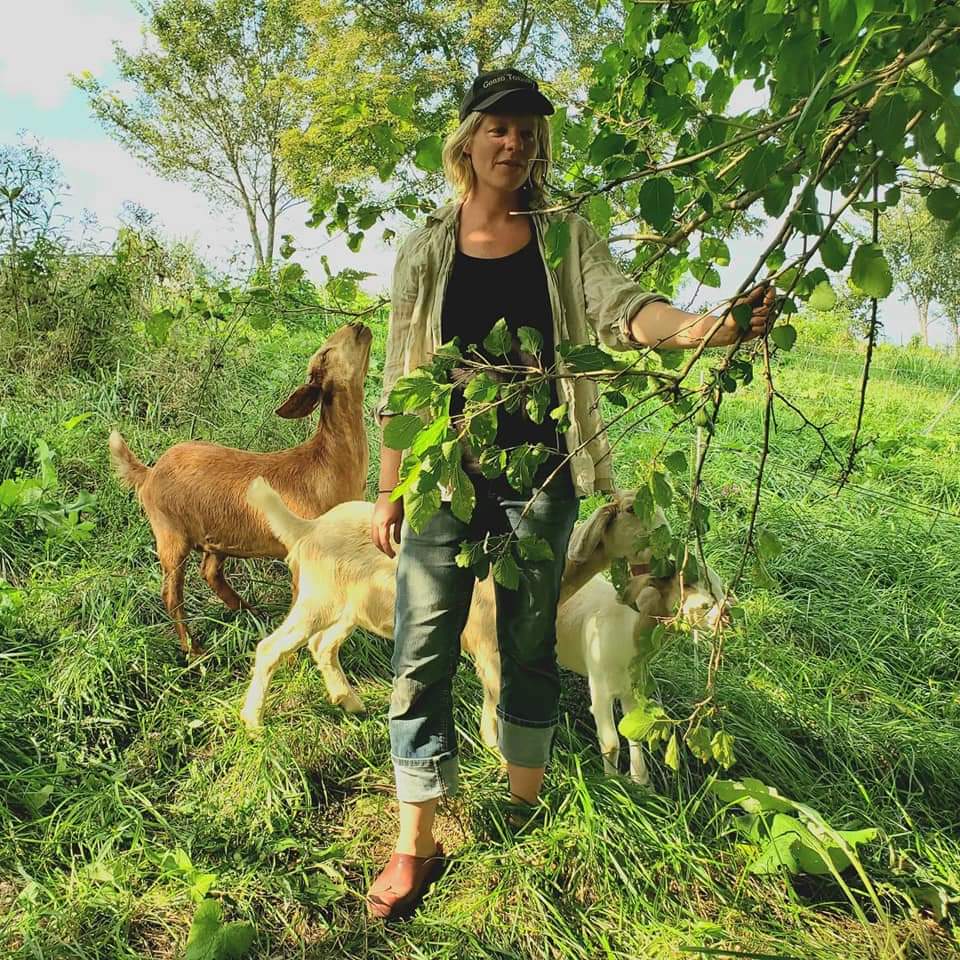
Lindsay Klaunig
Trouvaille Farm
Lindsay Klaunig
Lindsay Klaunig grows seeds, produce, and nursery crops at Trouvaille Farm in the hills of Southeastern Ohio. She grows on contract for regional seed companies, sells packets locally, and collaborates with other growers and orgs for on-farm research and trials.
Angie Lavezzo
Painted Crow Farm & Appalachian Growers Seed Collective
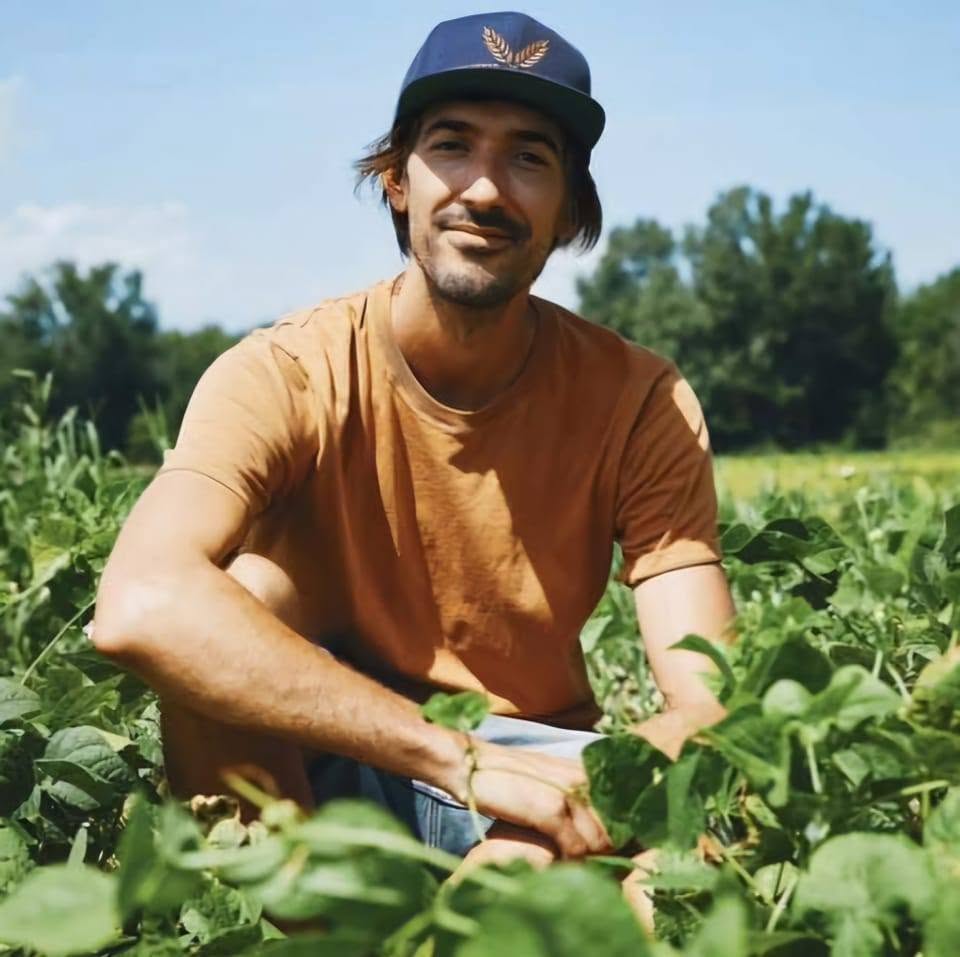
Hugo Martorell
SeedChange
Hugo Martorell
Hugo Martorell has served as the Program Manager, Quebec Projects at SeedChange since 2017. After attending OSGC in 2018, Hugo became passionate about organic plant breeding and selecting for flavor, regional adaptation, and resilience. Hugo is a connector and translator: he brings together breeders, seed growers, farmers, and end-users and produces open-access resources (podcasts, videos, technical guides) on the topics of on-farm variety trials, public-interest plant breeding, and organic and ecological seed diversity. On February 24 and 25, 2027, he is organizing the conference “Rethinking Plant Breeding in the Era of Climate Change” in Quebec.
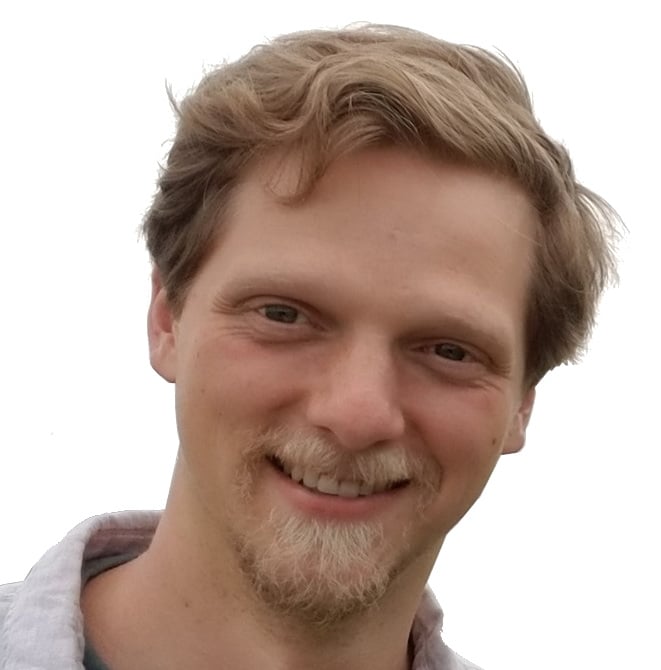
Alex McAlvay
New York Botanical Garden
Alex McAlvay
Alex McAlvay is an Associate Curator in the Center for Plants, People and Culture at New York Botanical Garden. His research is focused on understanding the relationships between humans and their environments, the evolutionary and ecological impacts of humans on plants, and the traditional stewardship of plants by cultures and communities. His work ranges from genomic research to understand how humans have shaped plants through domestication to ethnobotanical projects to support the continuity and revitalization of cultural traditions related to plants. His current projects are focused on reviving resilient traditional cropping systems in Ethiopia and the Republic of Georgia, studying the ecology of forest gardens in the Pacific Northwest of North America, documenting the flora and uses of plants of the Shinnecock Nation on Long Island, investigating the intersection of language and plants in Western Mexico, and reconstructing the evolutionary history of Brassica and wheat crops.
John Kariuki Mwangi
Slow Food Kenya
Kristen Peterson
Long Walk Farm
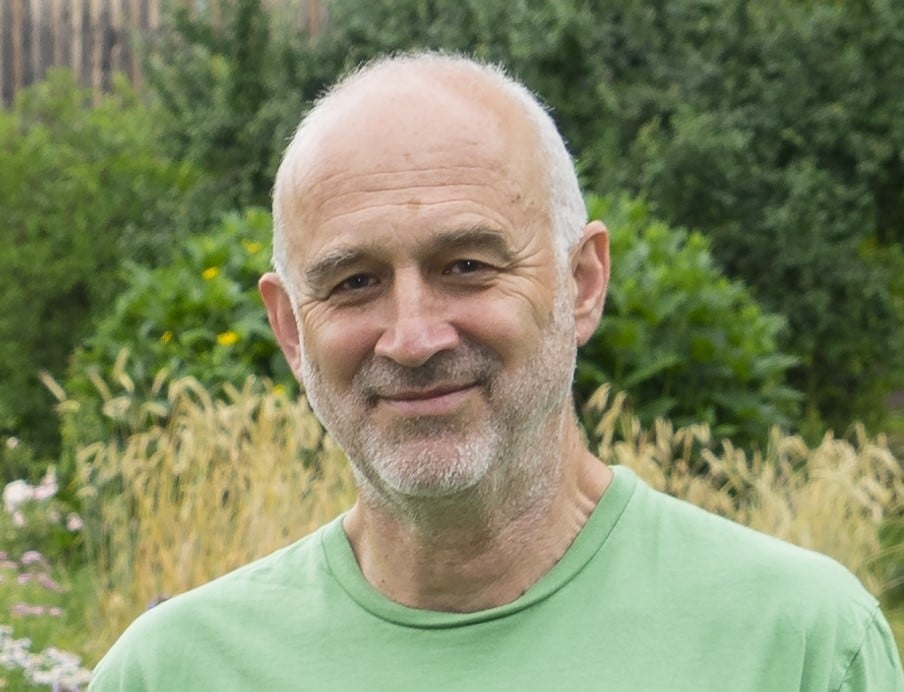
Gebhard Rossmanith
European Consortium for Organic Plant Breeding (ECO-PB)
Gebhard Rossmanith
Gebhard Rossmanith spent 20 years in biodynamic vegetable production. From 2001 to 2022, he served as CEO of Bingenheimer Saatgut AG, and since July 2022 he has run his own consulting practice focused on organic seed and plant breeding. He sits on the boards of the European Consortium for Organic Plant Breeding (ECO-PB) and Germany’s umbrella organization for organic plant breeding, and serves on the steering committee of the IFOAM Seed Platform. He is also a member of the IFOAM Organics Europe Seed Expert Group, the seed and breeding advisory group and anti-GMO working group of BÖLW (the German Federation of the Organic Food Industry), and IG Saatgut, an initiative for GE-free seed and breeding.
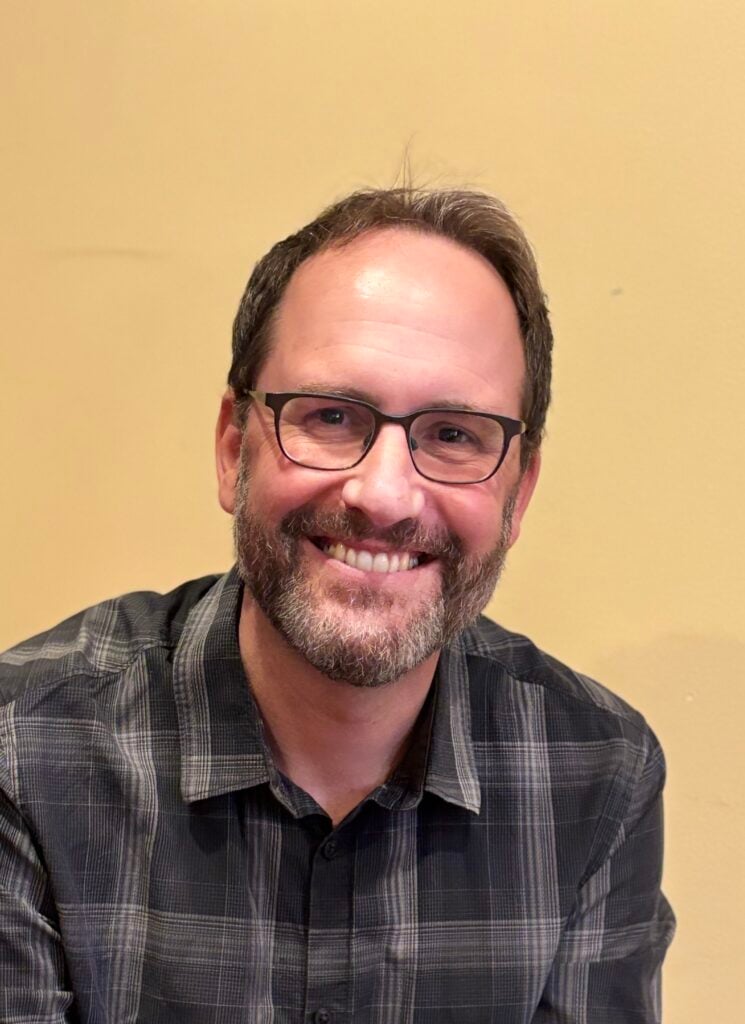
Morgan Ruelle
Clark University
Morgan Ruelle
Morgan Ruelle is an Associate Professor in the Department of Sustainability and Social Justice at Clark University in Worcester, Massachusetts. His research explores how diversities of seeds and knowledge contribute to the resilience of food systems. Working collaboratively with farmers, students, and researchers in Ethiopia and Kenya, he investigates traditional crop mixtures, including the practice of broadcasting multiple species or varieties of cereals and legumes in the same field. His work combines ethnobotanical research with field experiments to understand the contributions of these mixtures to agricultural productivity, continuity of cultural foodways, and climate resilience. He is particularly interested in how these and other traditional agricultural practices can inform policies for more sustainable food systems.
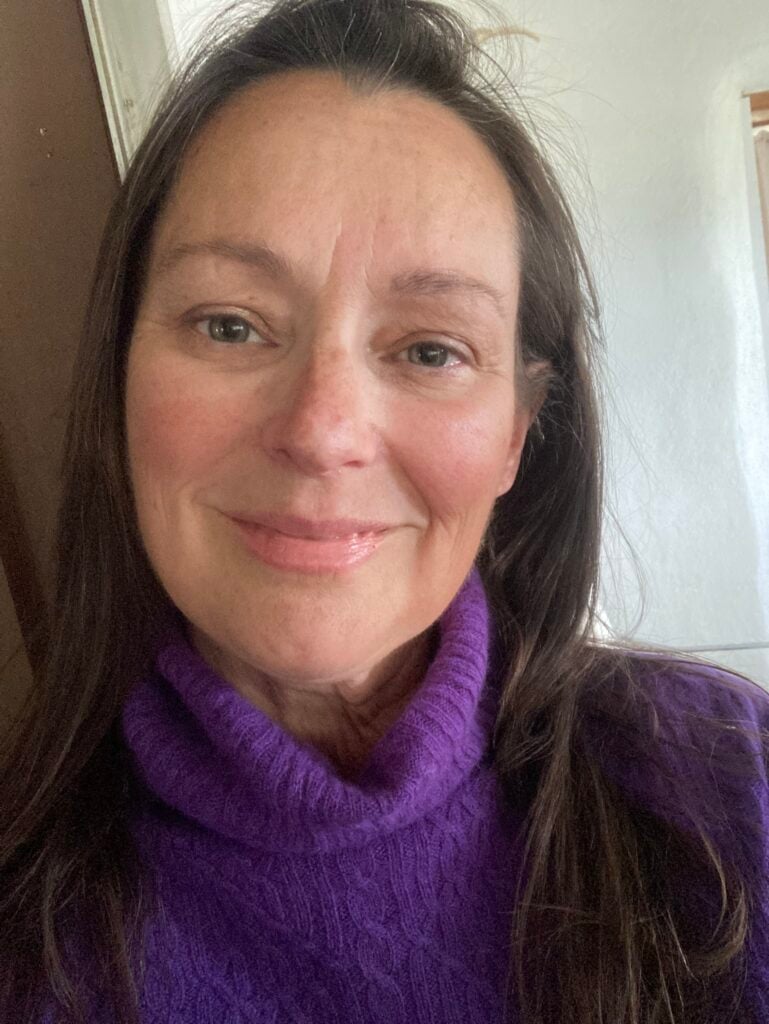
Kristin Swoszowski-Tran
Ledoux Grange, LLC
Kristin Swoszowski-Tran
Kristin Swoszowski-Tran is a farmer, educator, and advocate for resilient food systems and ecological stewardship in Northern New Mexico. Kristin is the founder of Ledoux Grange, where she explores the intersection of regenerative agriculture, organic farming, native seed growing, biodiversity, and climate resilience in the challenging conditions of the arid Southwest. With a professional background in psychology & art, and a lifelong passion for learning, Kristin brings an interdisciplinary perspective to agriculture, connecting human well-being, ecological health, and community resilience. Her work focuses on improving soil health, conserving water, restoring habitat, supporting pollinators, cultivating climate-adapted crops, and integrating livestock into diversified farming systems. Kristin champions science-informed, place-based approaches that combine ecological principles with traditional agricultural knowledge. Through her farming, writing, and educational outreach, she encourages others to rethink our relationship with the land and recognize agriculture’s potential to regenerate both ecosystems and communities.
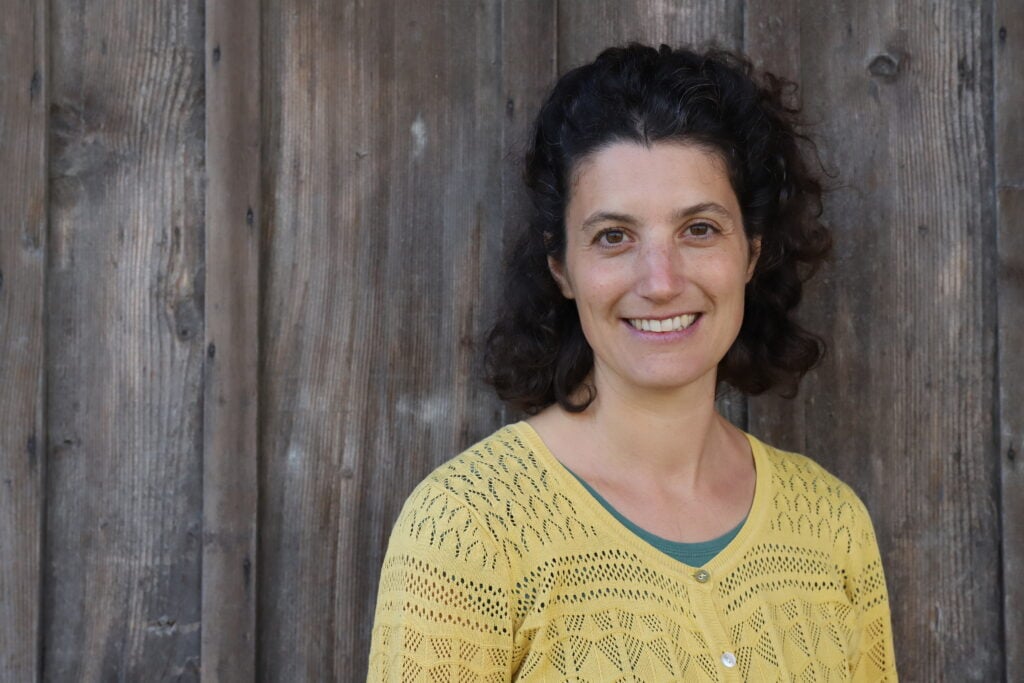
Noemi Uehlinger
Sativa Rheinau
Noemi Uehlinger
Noemi Uehlinger graduated in agronomy and plant breeding at Wageningen University in the Netherlands. She has worked as an organic vegetable breeder (carrot, broccoli, kohlrabi, fennel) for Sativa for more than 15 years. She believes that biodynamic approaches offer ways of approaching quality of food in a very holistic way.
Daniel Wanjama
Seed Savers Network, Kenya
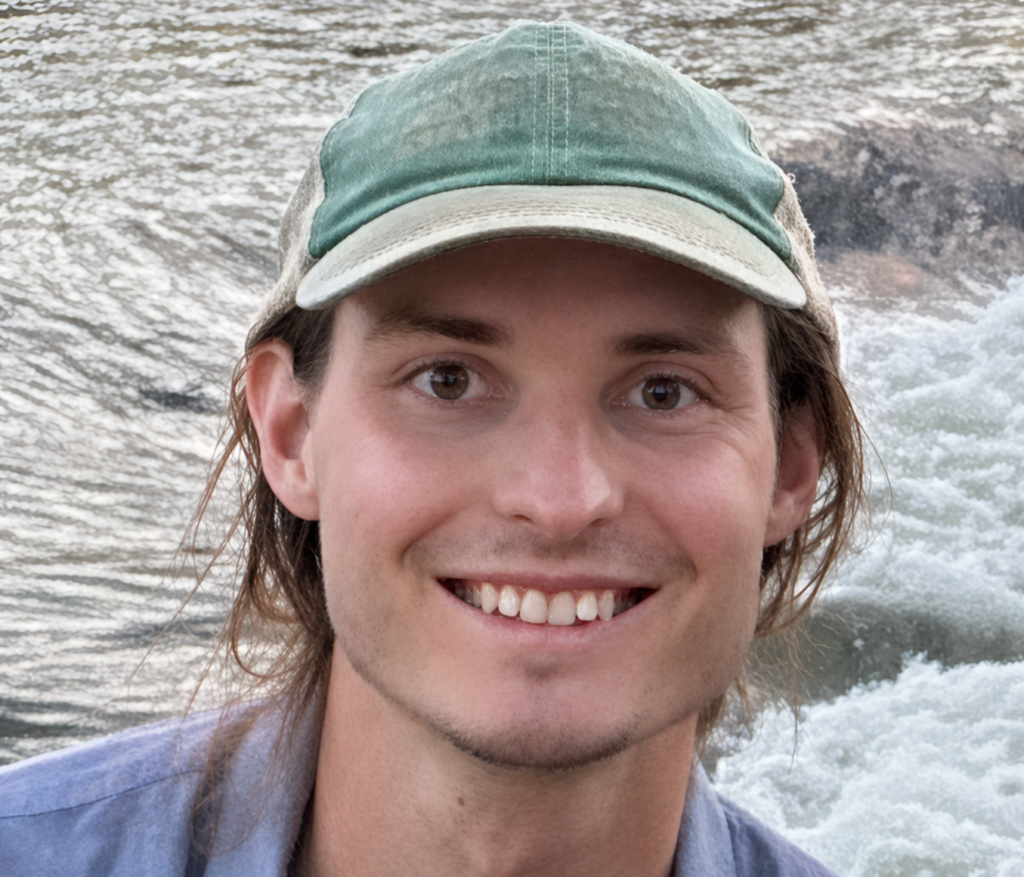
Mark Watson
University of California, Davis
Mark Watson
Mark Watson is a plant breeding student working on his PhD at UC Davis. Mark co-leads a celtuce (stem lettuce) breeding program as part of the UC Davis Student Collaborative Plant Breeding and Education (SCOPE) project. He also researches modern plant breeding methods that not only scale up but also scale down to the unique traits and constraints of smaller breeding programs.
Have a question about the Speakers? Reach out to Aba Kiser.