Organic Seed Alliance (OSA) and our research partners are wrapping up the first year of the Organic Seed Production Research on Economics and Yield (OSPREY) project. See what we’ve been up to this year and what’s ahead for 2026 as we expand our knowledge of seed yield in organic seed production systems.
OSPREY, a multi-year project funded by the Organic Research and Extension Initiative (OREI), will optimize organic vegetable seed production through multi-location trials and participatory research, develop economic decision-making tools for organic seed producers, and expand the exchange of seed production information among organic seed stakeholders.
Although the growing season is over, we’ve been perpetually busy hosting our field days and workshops, collecting early data and results from multi-location replicated and participatory seed yield trials, co-hosting a seed cleaning webinar, announcing our 2026 California Seed Summit, and recruiting for 2026 trials.
For more information, please visit our previous posts since our project kick-off in 2024.
What We’ve Done
Field Days and Workshops
OSA and our partners at Carolina Farm Stewardship Association, Colorado State University, Cornell University – Cooperative Extension, Oregon State University – Cooperative Extension, and University of Vermont – Cooperative Extension have been busy hosting on-site field days, workshops, demonstrations, presentations, and self-guided tours.
We’ve showcased our seed yield research trials to over 600 organic farmers and seed producers, backyard growers, faculty members and students, extension agents, agricultural associations, researchers, plant breeders, community members, and families, inspiring participants to engage in further seed production research.
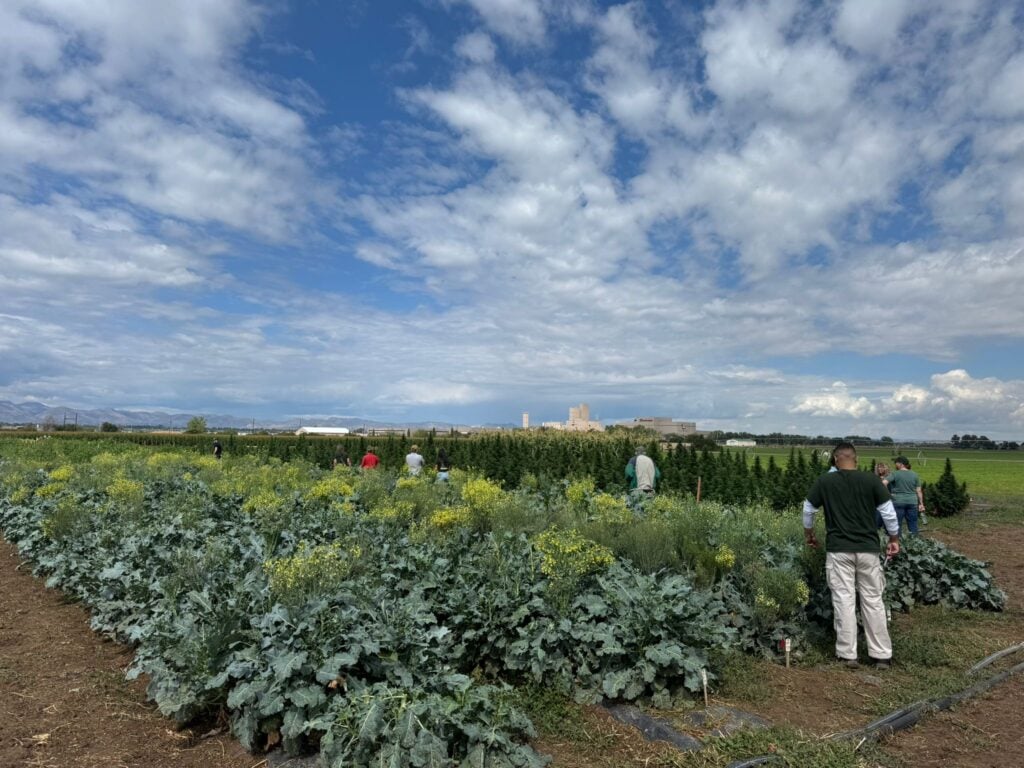
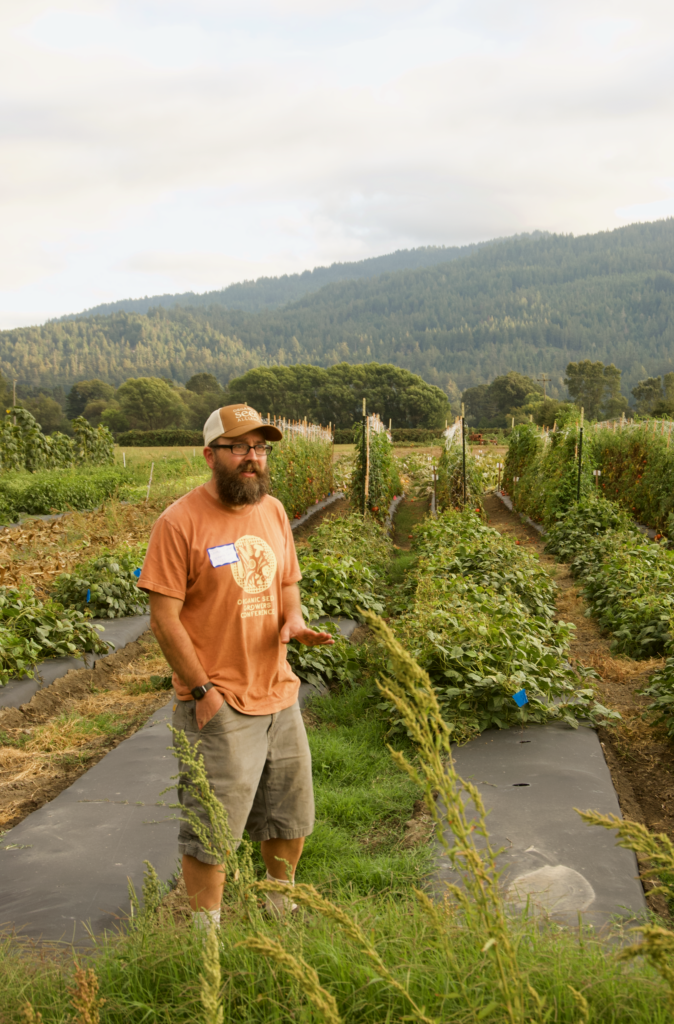
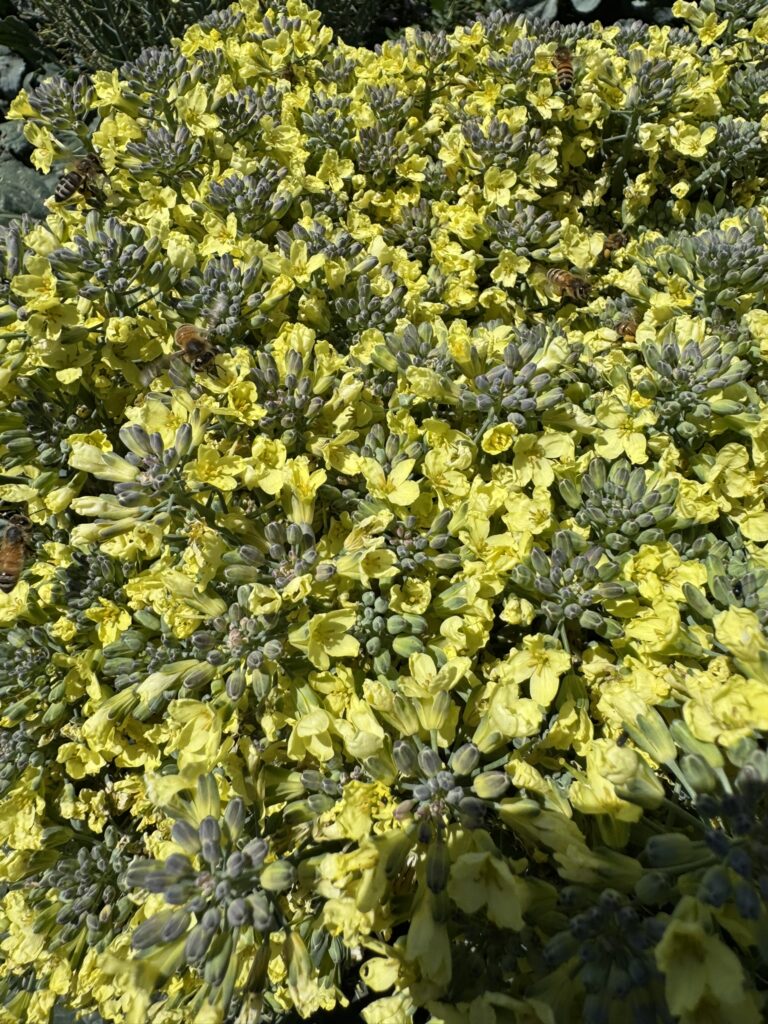
Replicated field trials were a big highlight during the annual field days, seen here in California and Colorado. Photos courtesy of Mark Uchanski (CSU Extension) and Molly Travis (OSA)
Seed Cleaning Webinar
OSA and eOrganic hosted a seed cleaning webinar for over 250 farmers, gardeners, seed companies, educators, extension professionals, and other agricultural professionals in November. Organic seed production speakers, including OSA staff and OSPREY co-project directors, shared their hands-on experience with cleaning both wet- and dry-processed seeds, including threshing, winnowing, screening, fermenting, drying, and storage.
This four-part webinar series provides step-by-step guides on the nuances of organic seed production. The upcoming webinars will address seed equipment, seed economics and yield, and seed diseases, aiming to help participants improve seed quality, reduce labor, and develop processes for their farm’s size and production goals. Stay tuned for the next webinar in late 2026.
What We’re Currently Doing
Seed Harvesting and Cleaning
All replicated trial locations (CA, CO, NC, NY, OR, VT, WA) are finished with harvesting ripe fruit and pods for a preliminary rough cleaning before sending off to our Washington research farm for a final cleaning.
Each of the four core seed crops (broccoli, lettuce, summer squash, and tomato) has ripened and matured at various times, both within crop types and also due to differences in growing conditions across the geographic areas. Some trial locations faced end-of-season weather challenges and completed harvests before the onset of rains, frost, or decay to ensure that enough seed yield data could be collected.
Early Data and Project Results
The field team will spend this winter assessing the seed yield data from the first year of replicated trials in addition to finalizing protocols and designs for the 2026 trials. As part of our assessment on genotype x environment x management on seed yield, the trial sites in New York and Vermont completed a secondary management trial this year, comparing indoor vs. outdoor seed yield production management on final seed yield amounts.
The other management trials addressing different plant spacing/density and irrigation amounts will be determined for the 2026 and 2027 trials, in addition to a pilot study testing seed diseases observed in earlier trials.
Participatory trial growers are finishing their data entry into Seedlinked for both their seed crop of choice and the core seed crops also being grown in the replicated trials. Since the data is still early, we anticipate having more information and data to share in early 2026. The overall project is also being evaluated on its accomplishments and progress on program deliverables for our stakeholders.
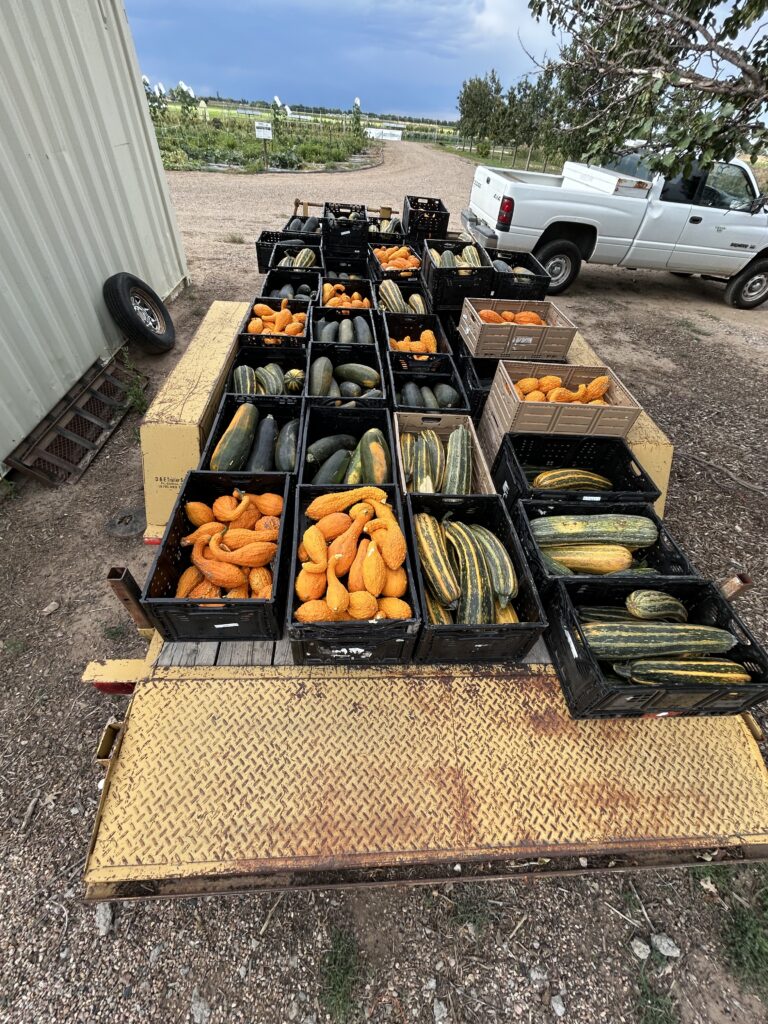
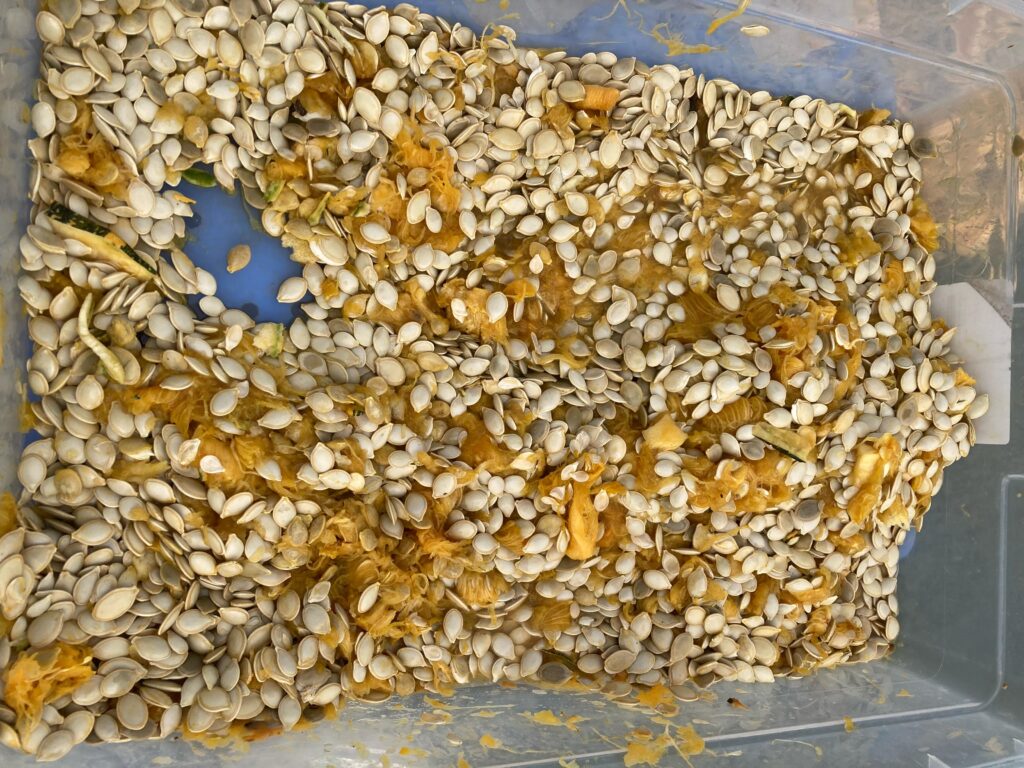
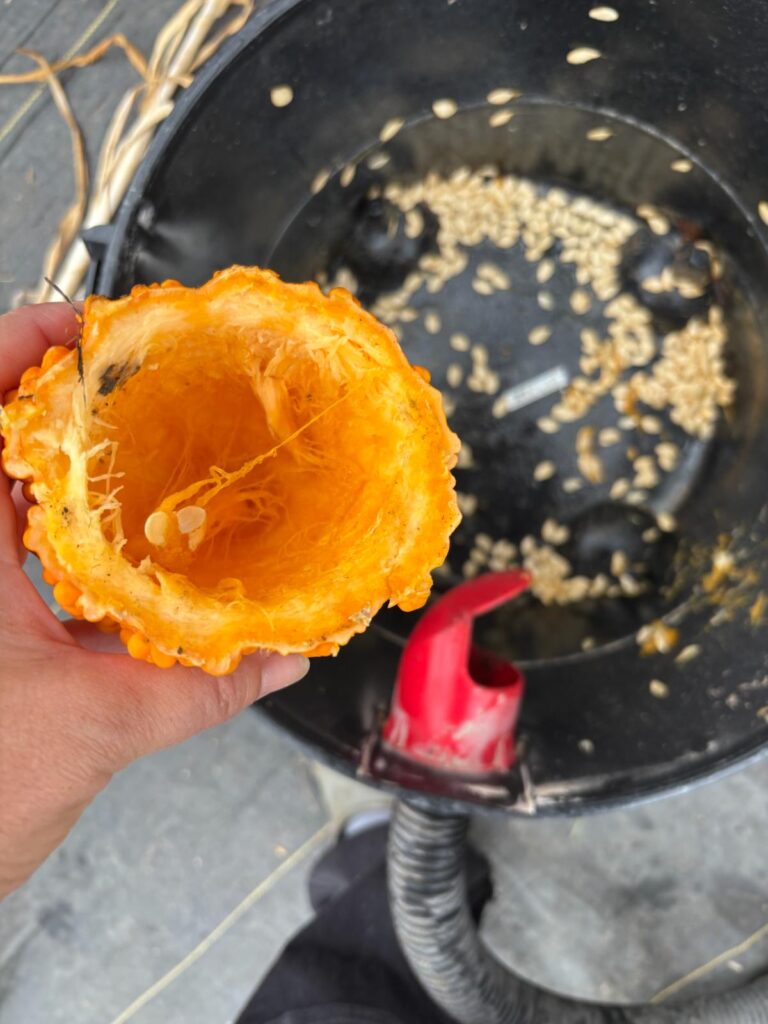
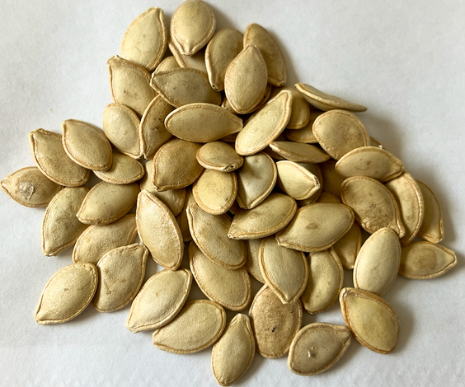
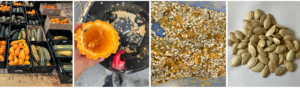
Harvested mature summer squash, starting to be cleaned and weighed for seed yield. Photos courtesy of Jane Davey (CSU Extension), John Bruce (UVM Extension), Crystal Stewart-Courtens (Cornell Cooperative Extension), and Molly Travis (OSA).
What’s Next
California Seed Summit: Save The Date
The 2026 California Organic Seed Summit is happening soon! Join Organic Seed Alliance and fellow seed folks for our annual regionally-focused gathering, providing attendees with the opportunity to strengthen local and national organic seed systems through shared learning, relationship-building, and collaborative action.
The seed summit will include:
- interactive workshops on foundational and advanced seed production topics, regional research, speakers, and project presentations
- structured networking with fellow growers, breeders, researchers, and advocates
- facilitated conversations spanning from breeding strategies to policy and advocacy for seed growers
For more information, please visit our event announcement.
Get Involved
We’re still recruiting for our first round of historic yield and seed cleaning data collection interviews, as well as our 2026 participatory seed yield trials! Please visit our interest survey for more information about trials and how to sign up.
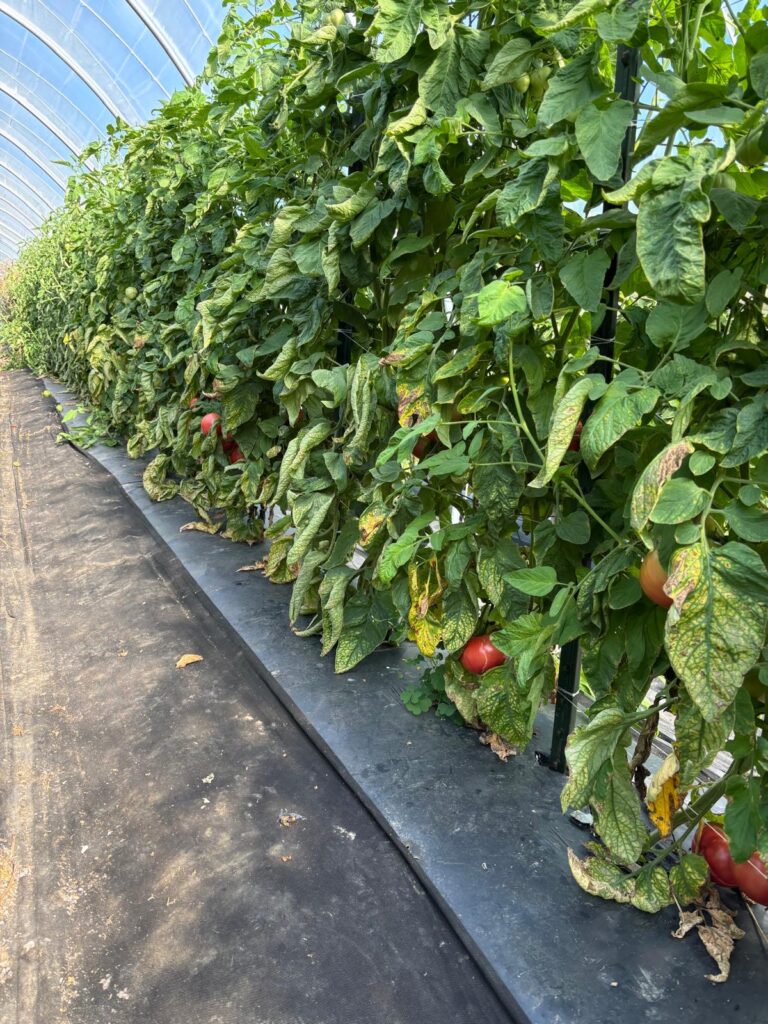
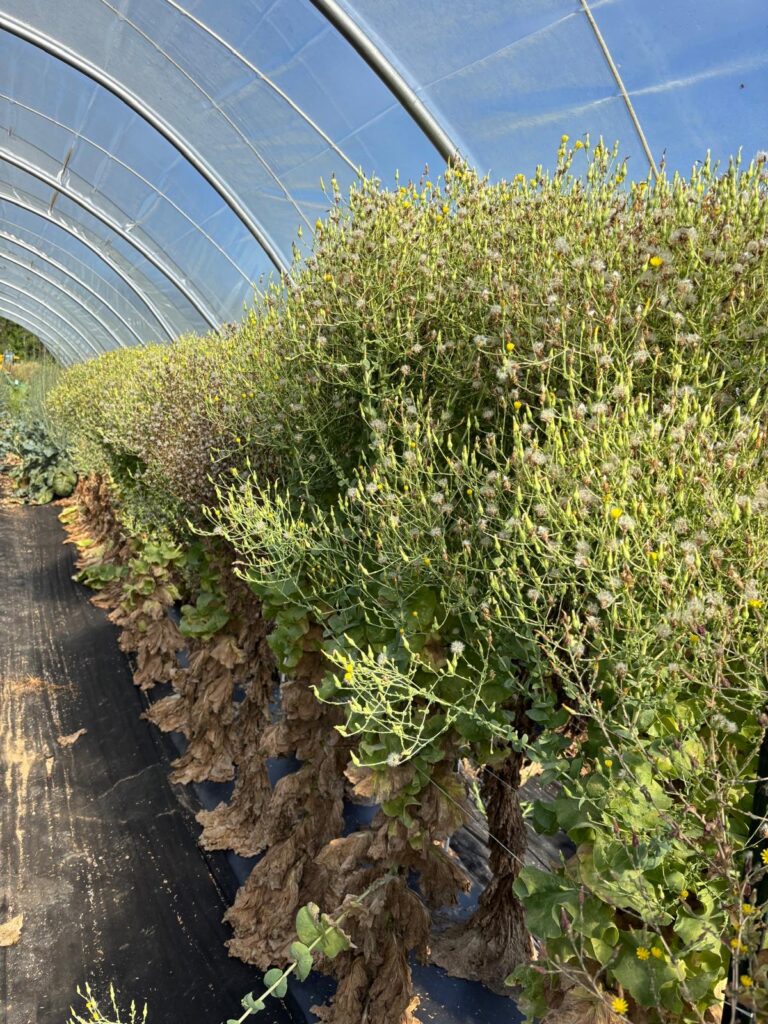
Protected culture management trials showing Brandywine tomatoes and Black Seeded Simpson lettuce at the Cornell Cooperative Extension (CCE) Research Farm. Photos courtesy of Crystal Stewart-Courtens (CCE).
For more information about the OSPREY project in general, or to participate in upcoming research and outreach activities, please visit our Research page or contact Jared Zystro at jared@seedalliance.org.
To connect more with OSA, check out our event offerings, such as workshops, webinars, farm tours, research presentations, advocacy hours, educational courses, conferences, summits, and more. We’d love to connect with you in person or virtually!
About Organic Seed Alliance
Organic Seed Alliance is a 501(c)(3) nonprofit that puts the power of seed into the hands of growers. Our work ensures an abundant and diverse supply of ecologically grown seed, tended in perpetuity by skilled and diverse communities of seed stewards.
— This project was funded by the Organic Research and Extension Initiative grant, part of the USDA National Institute of Food and Agriculture. Grant number 2024-51300-43056.