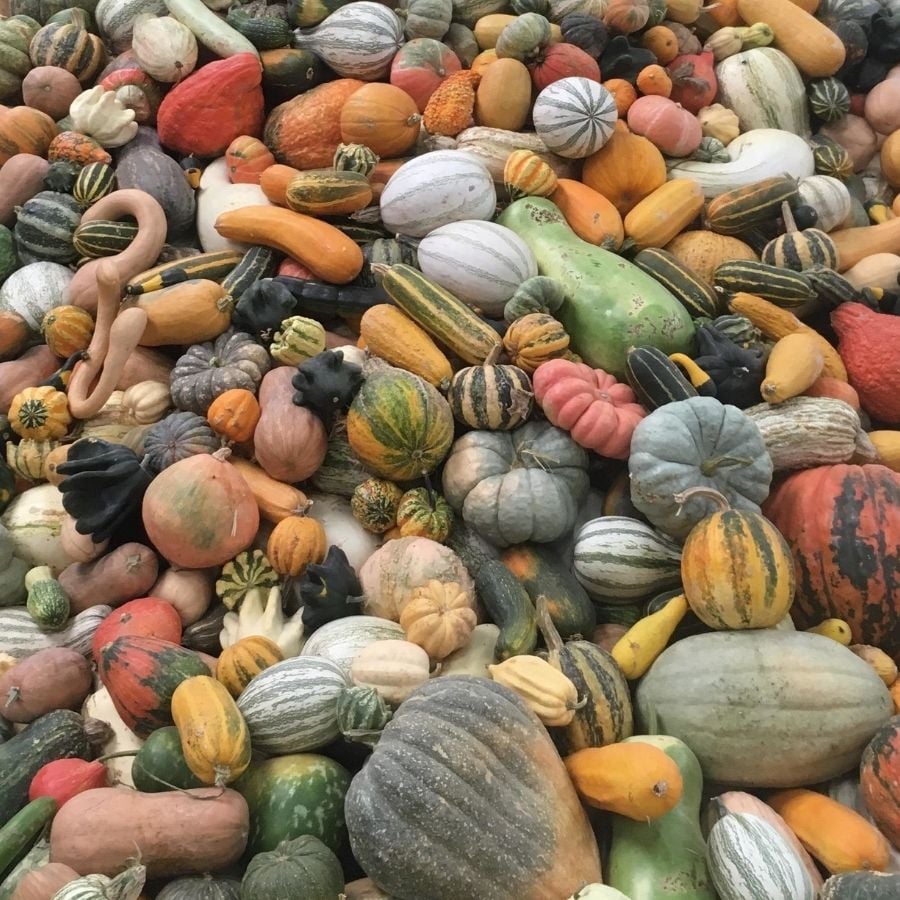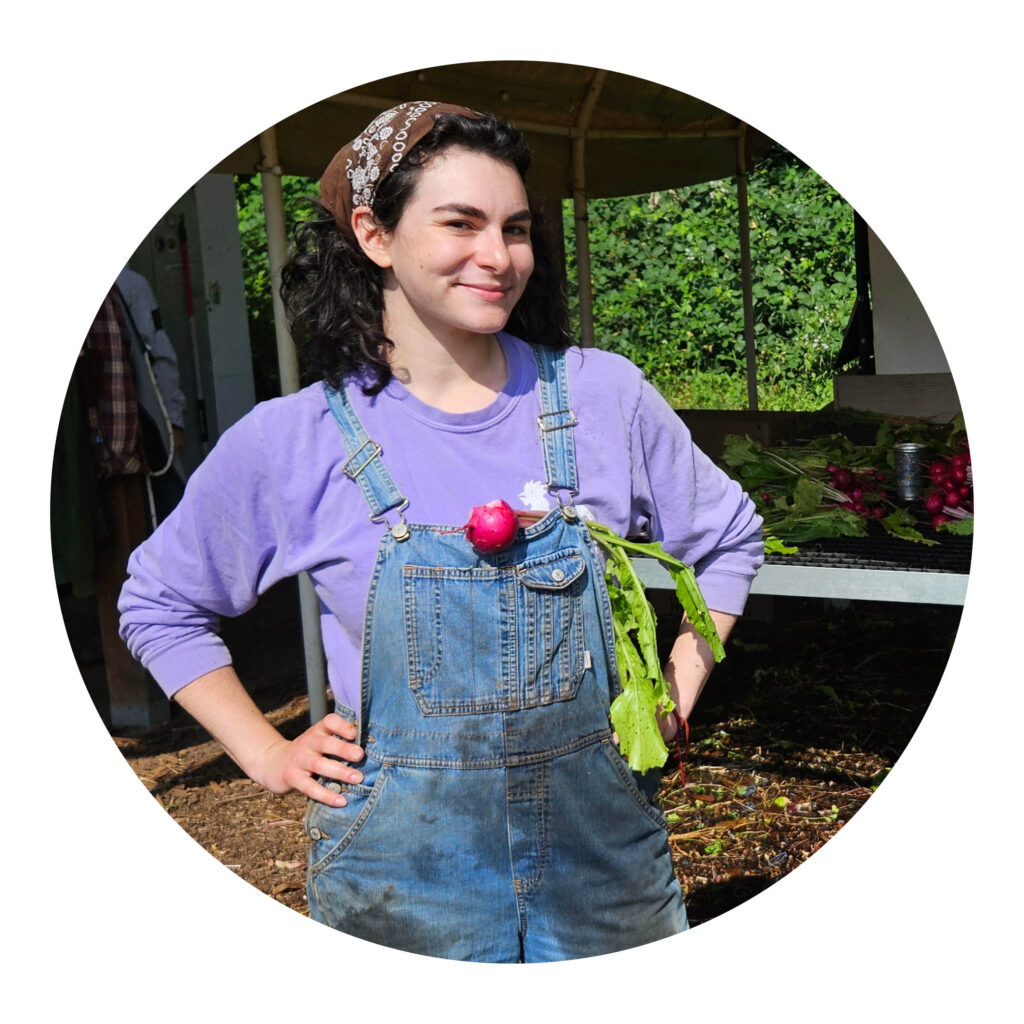
“As farmers are using this diversity to adapt to changing conditions, it happens very iteratively. It’s a very experimental, you kind of see what works, see what doesn’t work, hold on to what works in future years, in terms of what you’re planting and also when you’re planting.”
- Masha Vernik (University of Washington’s School of Environmental and Forest Sciences / Jewish Seed Project)
“After Helene, we had a lot of folks reach out to the collective to ask how our seeds fared through the hurricane. Well, a plant can’t survive through a hurricane, you know? Our seeds were lost, our crops were lost, but what held was our bonds…”
- Shelby Mandonado (Water’s Edge Farmstead / Appalachian Grower’s Seed Collective)

About the call:
OSA’s Quarterly Call on November 7th discussed how seed plays a pivotal role in climate change response. We dove into Masha Vernik’s thesis at the University of Washington, “Resilience and Adaptation to Climate Change Among Organic Farmers in the United States”, and heard from farmer and organizer Shelby Mandonado of Water’s Edge Farmstead and the Appalachian Grower’s Seed Collective about what’s happening on the ground with seed farmers in the Southeastern U.S.. This call offered a chance to connect, learn, and discuss farmer strategies that impact organic growers and the broader seed system in a shifting climate.
POLICY CORNER:
OSA’s Policy & Advocacy Program Conducts legal and cultural advocacy toward policies that support organic agriculture and farmers’ rights to save seed. https://seedalliance.org/advocacy/
State of Organic Seed: Ongoing project of OSA to monitor organic seed systems in the U.S. Every five years, OSA releases this progress report and action plan for increasing the organic seed supply while fostering seed grower networks and policies that aim to decentralize power and ownership in seed systems. https://stateoforganicseed.org/
Current seed rule + NOSB work background Organic producers are generally required to use organically grown seeds (7 U.S.C. 6508(a); 7 CFR 205.204). Nonorganically produced, untreated seeds may only be used “when an equivalent organically produced variety is not commercially available” (7 CFR 205.204(a)(1)). 2018 rulemaking recommendation to amend the 7 CFR § 205.204 “(i) Improvement in searching, sourcing, and use of organic seed/planting stock must be demonstrated every year with the goal of using only organic seed and planting stock.”
RESOURCES SHARED ON THE CALL:
National Organic Coalition is hosting a National Organic Convening on November 17. Learn more and register.
Vermont Law Resource Library
Vermont Law: Preventing Patents Through Defensive Publication
Midwest Seed Summit Promoting a virtual event OSA is hosting next week focused on Cooperative Seed Economics. All are welcome!
Info on the developments on the Deregulation of NGTs on EU Level
Save Our Seeds
–
Have you or seed folks you work with been impacted by climate changes? We are collecting these instances and stories to inform our advocacy work. Please reach out to Cathleen at cathleen@seedalliance.org if you’d like to share.
Suggest a topic or speaker for the next call.
@seedalliance #OrganicSeedAlliance


This program is supported by the USDA’s Transition to Organic Partnership Program (TOPP).