"Every time we save seed, the plants that we are working with change in some way or another. It's inevitable. And it seems like, from my …

Putting the power of seed into the hands of growers
"Every time we save seed, the plants that we are working with change in some way or another. It's inevitable. And it seems like, from my …
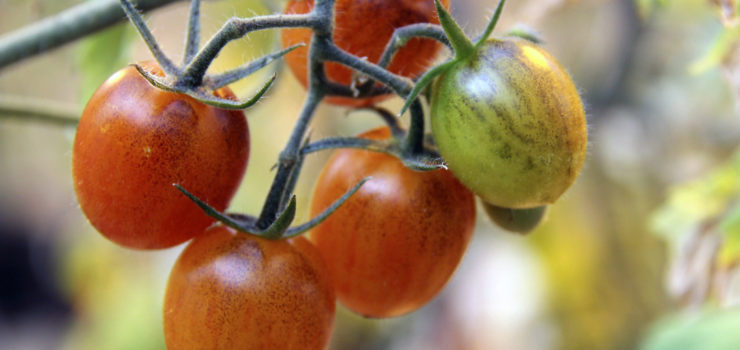
Join eOrganic for a webinar on challenges in breeding tomatoes with the ideal combination of great flavor and disease resistance! …
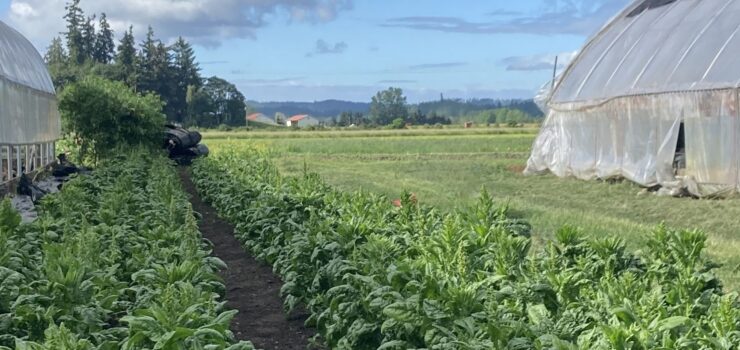
Are you interested in learning how to grow and select locally-adapted varieties? Apply to our first cohort in on-farm plant breeding for …
Virtual Open House Quarterly Call: Open Pollinated Variety Maintenance Date: Thursday, Feb 26thTime: Thursday, February 26th at 4 PM PST …
OSA hosted the 2025 Midwest Organic Seed Summit in November 2025 as a fully virtual event, and the recordings are available for all. The …
OSA hosted a webinar in September 2025 that guides farmers and agricultural professionals through Organic Seed Alliance’s free online …

Organic Seed Alliance has entered a new season of growth. One defined by purpose, resilience, and celebration. Through seasons of change, we …
State of Organic Seed: Producer Survey Organic Seed Alliance has released a national survey as part of our State of Organic Seed project …
OSA's Quarterly Calls are open-sourced calls that bring together farmers, seed producers, researchers, advocates, and food system leaders to …
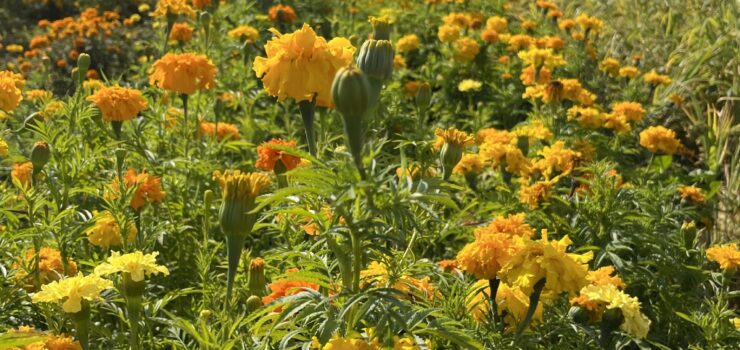
The Seed and the Garden: A Story of an Interrelated and Interdependent Success The spirit of winter is arriving, and organic seed …
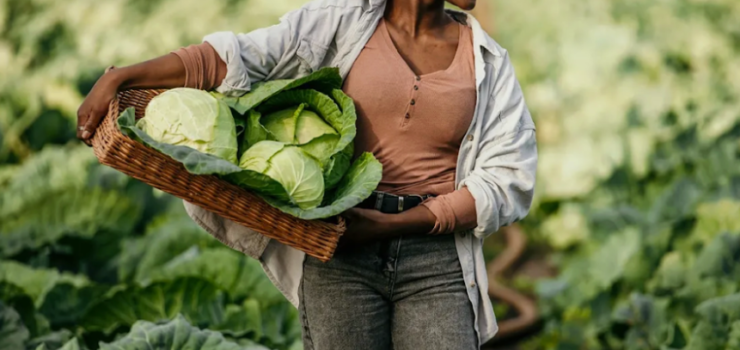
Save the Date! Seeds & Culture 2026 Conference: Rural and Urban Agriculture United Join Ujamaa Cooperative Farming Alliance at …
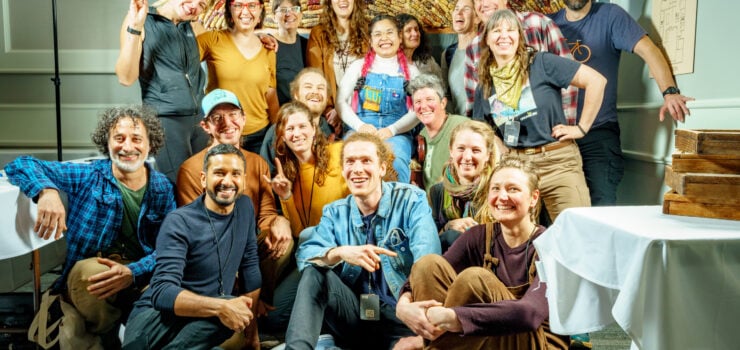
The gears are turning for the Organic Seed Growers Conference 2027. Join us! We’re excited to announce plans for the 13th Organic Seed …
Early bird registration is now live for the 2027 Organic Seed Growers Conference in Asheville, North Carolina, and online.
This coming year, we will host two distinct portions of the conference: The In-Person main conference (March 26th – 27th) in Asheville, North Carolina, and the Virtual portion (March 30th – 31st).